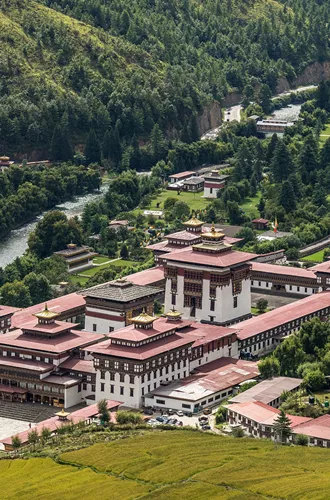
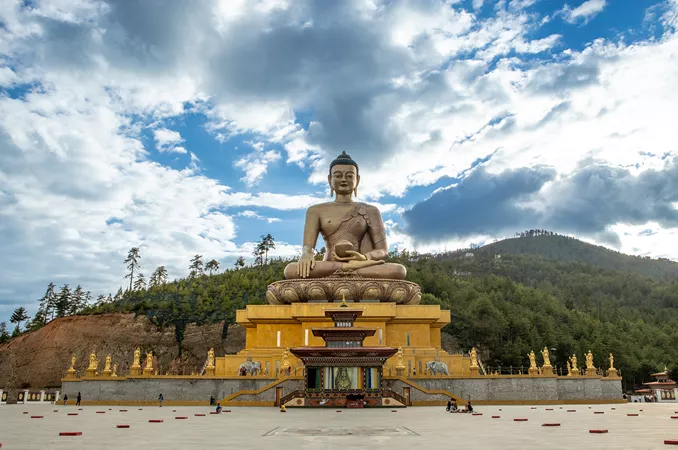
Travelling in Bhutan is as much about understanding the culture as it is about seeing the scenery. It’s a deeply spiritual country where Buddhism shapes everyday life, and that’s reflected in how people behave, dress and interact.
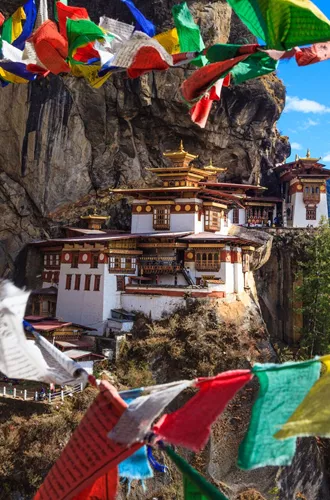
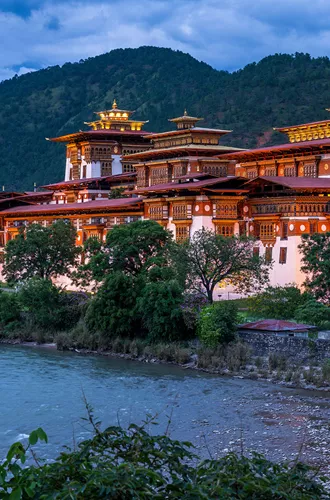
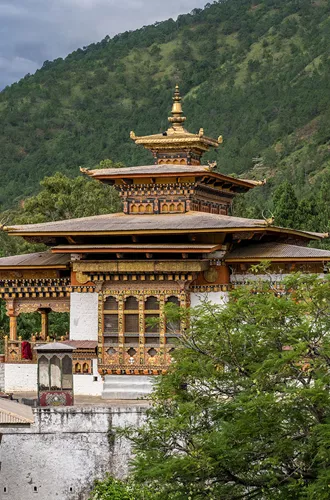
You’ll notice it in the presence of dzongs (fortress/monasteries), temples and prayer flags. These are active places of worship, so it’s important to approach with respect. Dress modestly, covering your shoulders and knees, and always remove your shoes and hat before entering. Inside, keep your voice low, move calmly and follow local customs, such as walking clockwise around religious sites and prayer wheels.
Bhutanese people tend to be softly spoken, polite and restrained. A warm smile goes a long way, and a gentle greeting like “Kuzu zangpo la” is always appreciated. It’s customary to use both hands, or your right hand supported by your left, when giving or receiving items such as money, food or gifts. Public displays of frustration or loud behaviour don’t sit well here, so keep things relaxed and respectful. Small gestures matter too. Avoid pointing with your finger (use an open hand instead), don’t touch someone’s head, and don’t point your feet towards other people or religious objects.
When it comes to clothing, think neat, modest and practical. Bhutan is conservative, so covering up is the safest bet. While you don’t need to wear traditional dress, you’ll likely see locals in gho (for men) and kira (for women), and you may even get the chance to try it yourself. It’s also worth noting that many government buildings and dzongs require a slightly smarter standard of dress, so avoid anything too casual if you’re planning to visit.
Photography is fine in outdoor areas, but always ask before taking photos of people, and be mindful that photography is often not allowed inside temples or during certain religious ceremonies. If you’re visiting during a festival (tshechu), these are important spiritual events, not performances staged for tourists.
Food and hospitality are an important part of Bhutanese life, and if you’re invited to share a meal, it’s polite to accept. Meals are relaxed and communal. Accept food or drink with your right hand or both hands and avoid wasting food. If you’ve had enough, a polite gesture will signal you’re finished.