Highlights

Fjords & Glaciers

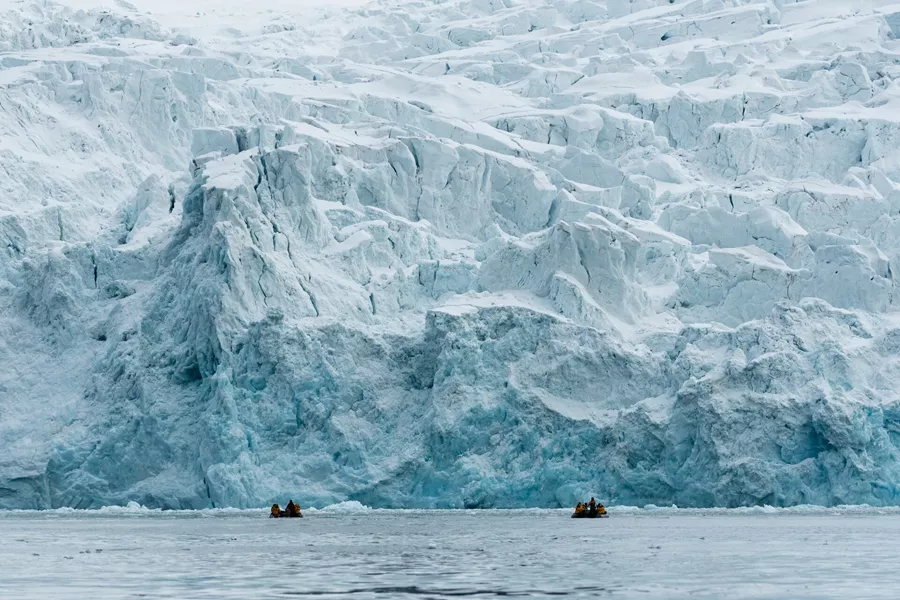
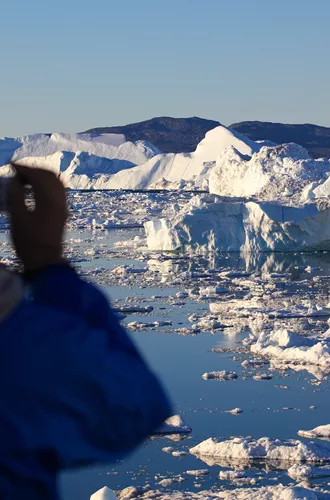
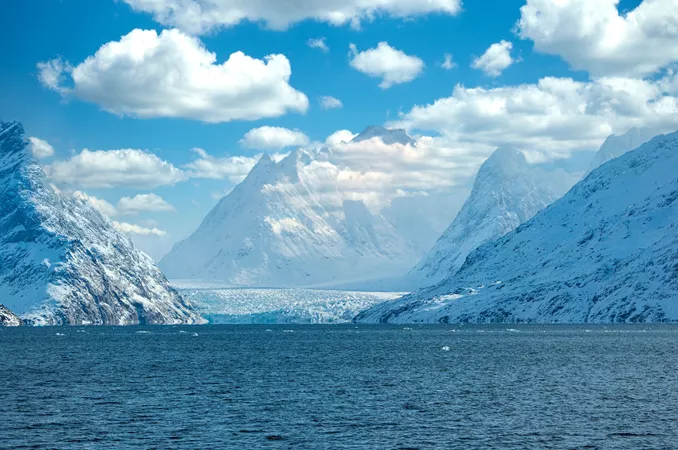
Greenland’s fjords and glaciers create a dramatic landscape where towering ice walls meet deep blue water. Witness calving glaciers, sail among icebergs, and explore untouched Arctic wilderness. 

Wildlife

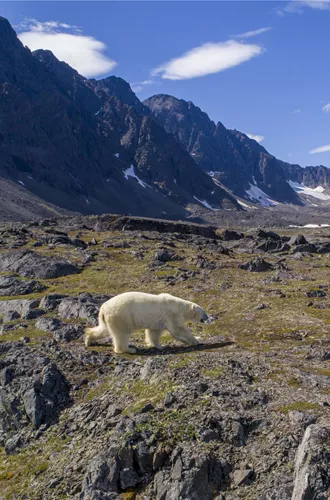
Greenland’s wildlife thrives in its vast Arctic environment, from wandering polar bears and grazing musk oxen to seals and whales along the coast. Wild coastlines, cliffs and remote tundra offer unforgettable encounters with nature. 

Local Culture

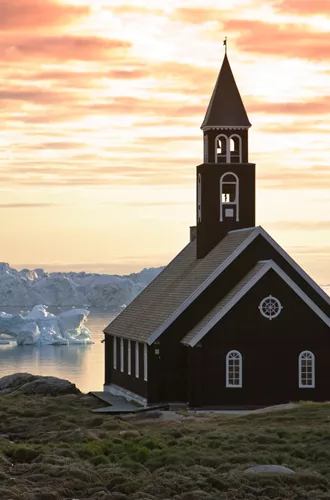
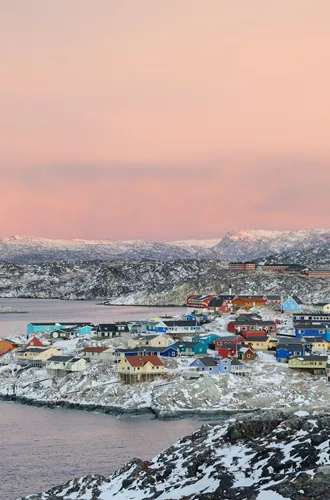
Greenlandic culture blends Inuit traditions with modern life. Communities celebrate music, art, and storytelling, while practices like kayaking and dogsledding highlight a deep connection to the land and sea. 

Useful information

Your search for ""

clear search

Communications

Country Code for Greenland: +299 


Official Travel advice visit:  

Denmark Travel Advice & Safety | Smartraveller (Australia) 

Travel to the Arctic | Smartraveller (Australia) 

Greenland | SafeTravel NZ (New Zealand) 

Denmark | SafeTravel NZ (New Zealand)  


Emergency Services: 112 


Due to the remoteness of Greenland, full or prompt consular help is difficult. Please refer to advisory information and consulates in neighbouring countries in the Arctic Circle: 

Customs

Electrical Socket type: European-style sockets, specifically Types C, E, F, and K, with Type K being the Danish/Greenlandic standard. 

 
Voltage: 230 volts, operating at 50 Hz, which falls within the 220-240V range, the same as Australia. 

Electricity

Electrical Socket type: European-style sockets (Type C and Type E are most common) 

Voltage: 220-240 volts (same as Australia) 

Health

The weather in Greenland is extreme and poses the most health risks for travellers, including: 

  • frostbite 
  • dehydration 
  • severe sunburn 
  • snow blindness 
  • hypothermia 


Limited medical facilities are available in Greenland. Patients may be evacuated by helicopter to the capital or neighbouring Iceland for treatment. Search and rescue response may come from many hundreds of kilometres away.  


Official Travel advice visit:  

Denmark Travel Advice & Safety | Smartraveller (Australia) 

Travel to the Arctic | Smartraveller (Australia) 

Greenland | SafeTravel NZ (New Zealand) 

Denmark | SafeTravel NZ (New Zealand)  

How to Get There & Getting Around

The most common way to reach Greenland is by air, usually via Iceland or Denmark. Travellers joining cruises often depart from Iceland, Svalbard, or Greenland itself, depending on the operator and itinerary.  


Due to extreme weather conditions, flights can often be delayed or cancelled at short notice. There are no roads or railways between towns.  


Expedition cruises are one of the most popular ways to access Greenland’s rugged coastline, fjords and glaciers, as many regions are inaccessible by road. Greenland’s peak cruising window is June to September, when sea ice has receded and fjords are navigable.

Holidays & Festivals

  • National Day: 21 June - Celebrated across Greenland with parades, concerts, cultural performances, and community gatherings. It marks the establishment of Greenland’s selfrule government and is one of the country’s most important annual events.

  • Kaffemik: Not a single event, but an important cultural tradition held for birthdays, celebrations, and community milestones. Locals open their homes to guests for coffee, cakes, and social connection. 

  • Kivioq’s Day (Winter Celebration): A winter festival inspired by the legendary Inuit hero Kivioq. Families gather to share traditional foods, as well as songs and storytelling that reflect resilience and community spirit. There is no set date for this celebration. 

  • Qaqqat Festival: Dates vary from region to region, but is an annual festival held in various towns and villages that celebrates Inuit culture through music, performances, and community events.

Language

Greenlandic (Kalaallisut) and Danish 

Money, Tipping & Shopping

Greenland uses the Danish Krone (DKK) as its sole official currency. While major towns have ATMs and most tourismrelated businesses accept credit cards, travellers should still carry some cash when visiting remote settlements. Prices can be higher due to Greenland’s remote location and reliance on imported goods.  


Tipping is not customary in Greenland. Service charges are generally already included in the price of meals, hotels, tours, and other tourism services, so locals don’t expect additional gratuities. You may wish to offer a small voluntary tip (5-10%) or round up the bill if service is exceptional.  


Greenland offers unique shopping opportunities, especially in larger towns like Nuuk. Many shops sell items designed or crafted from traditional Greenlandic materials such as animal skins, bone, stone, and horn. These reflect the local sustainability principles that nothing from nature is wasted. Popular souvenirs include Tupilaks, one of Greenland’s most iconic cultural items. Traditionally carved from bone, tooth, or stone, Tupilaks once carried spiritual meaning, representing ancestral spirits and used for protection, but today are valued as meaningful cultural mementos for visitors. Other keepsakes include handcrafted jewellery, clothing and accessories made from natural materials. 

Visas

The Travel Corporation has partnered with the company Sherpa to provide travellers with the latest government and health restrictions. Simply enter the country you want to travel to for information on safety regulations, border closures, quarantine requirements, your travel visa and more using the Sherpa travel tool: Visa Advice 


You don't need a visa for Greenland if you have an Australian or New Zealand passport. 

 
Official Travel advice visit:  

Denmark Travel Advice & Safety | Smartraveller (Australia) 

Travel to the Arctic | Smartraveller (Australia) 

Greenland | SafeTravel NZ (New Zealand) 

Denmark | SafeTravel NZ (New Zealand)