Consideration for others shapes many everyday customs in Japan, from greeting someone with a bow to keeping conversations quiet on public transport. You don’t need to know every convention before arriving. Following local guidance and asking when you’re unsure will help you navigate unfamiliar situations.
When entering a traditional ryokan, private home, temple accommodation or some restaurants, shoes should be removed and left at the entrance. Slippers may be provided for indoor use, and separate slippers are often used in bathrooms.
Public transport etiquette is taken seriously. It is customary to keep conversations quiet on trains and buses, avoid speaking on mobile phones and offer priority seating to elderly passengers, pregnant women and those with disabilities. Queuing in an orderly manner is expected throughout Japan, particularly at train stations and bus stops.
When visiting temples and shrines, dress respectfully and follow any guidance provided at the entrance. At Shinto shrines, visitors may observe worshippers purifying their hands and mouth at a water pavilion before approaching the main shrine. Photography may be restricted in certain religious buildings or sacred areas.
Onsen, Japan’s hot spring baths, have their own bathing customs. Wash thoroughly before entering the communal water and keep towels out of the bath. Bathing is usually without swimwear, although some facilities have different rules. Tattoo policies also vary, so check with your accommodation or the bath operator before visiting.
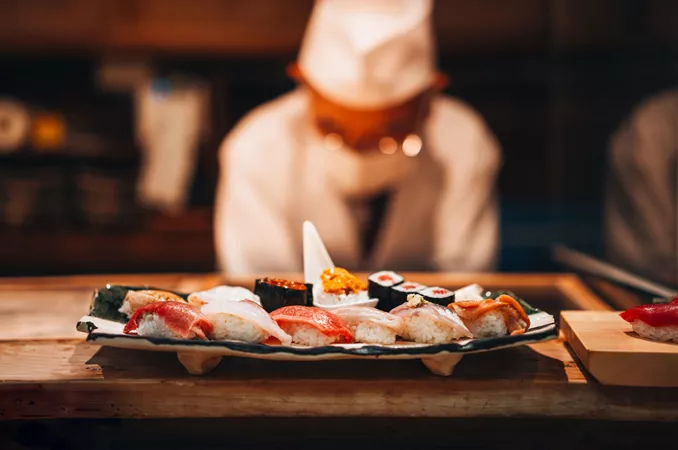
Dining etiquette is also important. When sharing dishes, use serving utensils where provided. Avoid standing chopsticks upright in a bowl of rice, as this is associated with funeral rituals. Slurping noodles is common and acceptable, but there is no expectation that you do so.
Learning a few simple Japanese phrases such as arigatou gozaimasu (thank you) and sumimasen (excuse me) is appreciated and can help create positive interactions with local people.