Highlights

Marrakech

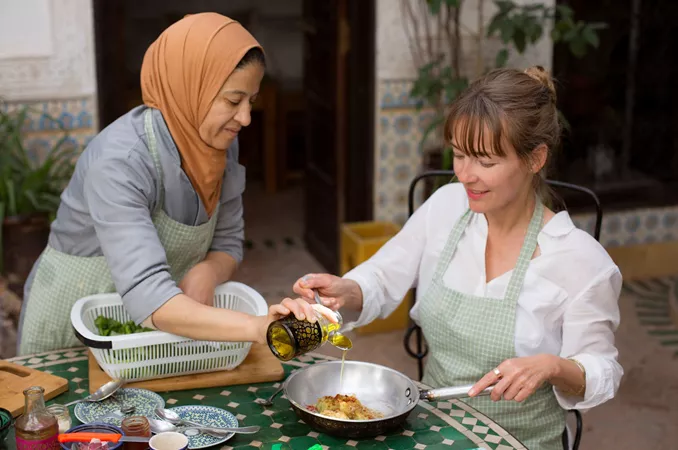
Step into Marrakech’s lively medina, where souks, ornate palaces and gardens create a sensory feast. This is Morocco’s beating cultural heart, and you will feel this during your stay in a beautifully restored riad. 

Essaouira

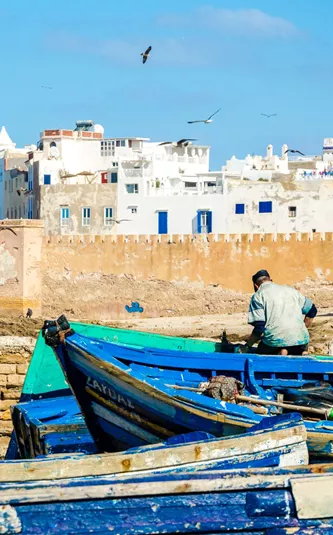
Essaouira, once called Mogador, is a breezy UNESCO-listed coastal town with whitewashed walls, artisan markets and windswept beaches. Essaouira offers a relaxed contrast to Morocco’s bustling cities.

Sahara Desert

The iconic Sahara Desert is pure magic for travellers. Ride camels across golden dunes, watch the sunset ignite the sands and sleep under a starlit sky in a traditional Berber camp. 

Atlas Mountains

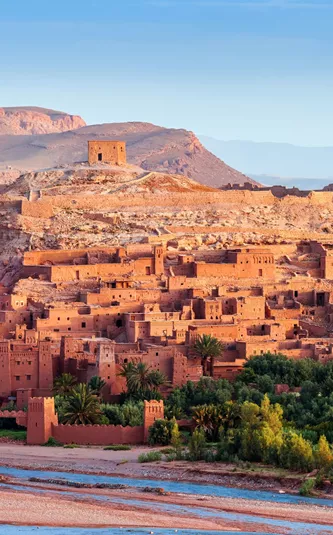
The Atlas Mountains offer rugged peaks, lush valleys and Berber villages lining imposing hillsides. It’s a breathtaking backdrop for adventure and authentic cultural encounters. 

Fes

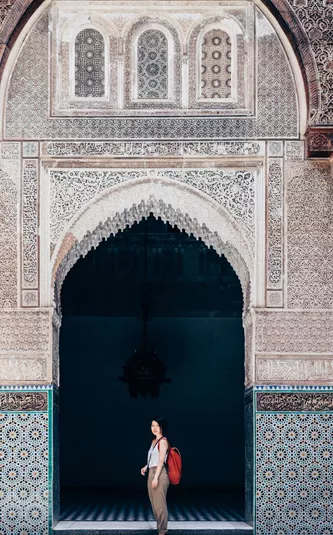
Fes is Morocco’s spiritual soul, home to a labyrinthine medina, centuries-old mosques and vibrant souks. Every alley whispers stories of history and craftsmanship. 

Casablanca

Casablanca blends modern style with Moroccan tradition. Stroll chic avenues, marvel at the Hassan II Mosque and soak up cosmopolitan energy along the Atlantic coast. 

Useful information

Your search for ""

clear search

Communications

Country Code for Morocco: +212 


Official Travel advice: 

Australia: Morocco Travel Advice & Safety | Smartraveller 

New Zealand: Morocco | SafeTravel NZ 

Emergency Services: 190 Ambulance: 190 Fire: 190 Police: 190 


Australian Embassy, Morocco 

66, Avenue Mehdi Ben Barka, 10000 Souissi-Rabat, Morocco Phone: +212 537 543366 
Email: consular.rabat@dfat.gov.au   
Website: morocco.embassy.gov.au 
Facebook: Australian Embassy Morocco 


New Zealand Embassy Madrid 

Calle del Pinar, 7, 3rd floor, 28006 Madrid, Spain 
Telephone: +34 915 230 226 
Email: madrid@embajadanuevazelanda.com  
Website: http://www.mfat.govt.nz/spain 

Customs

Moroccan culture is a rich blend of Arab, Berber and French influences, creating a unique mix of traditions. Hospitality is at the heart of daily life, so expect to be welcomed with a glass of sweet mint tea, a symbol of friendship and respect. Markets, or souks, are vibrant hubs where bargaining is not just accepted but expected, so approach it with a smile and good humour.  


Morocco is primarily a Muslim country. Dress comfortably, but modestly with shoulders and knees covered, particularly when visiting religious sites. Religion plays a significant role, and the call to prayer punctuates the rhythm of the day, reminding visitors to be mindful of local customs. Shoes are usually removed before entering a home and always greet others with a friendly “Salam Alaikum.” These small gestures go a long way in showing respect and embracing Morocco’s warm, community-focused culture. 


When it comes to etiquette during Ramadan, eating or drinking in public during daylight hours should be avoided out of respect.  

Electricity

Electrical Socket type: European-style sockets (Type C and Type E are most common) 

Voltage: 220-240 volts (same as Australia) 

Health

Insect-Borne Diseases 

In Morocco, insect-borne illnesses such as leishmaniasis and typhoid fever are present, though malaria is rare. To reduce your risk, choose insect-proof accommodation, apply repellent, and wear long, loose, light-coloured clothing.  

Rabies 

Rabies is a serious, potentially fatal disease found in infected dogs, cats and other mammals. Avoid contact with animals, and if you’re bitten or scratched, get medical help immediately.  

Food and Water Safety 

Waterborne and foodborne illnesses are common. Drink only boiled or bottled water with sealed lids, avoid ice cubes, and steer clear of raw or undercooked food, including salads. Don’t swim in fresh water and seek medical care if you experience fever or diarrhoea. 

Henna Tattoos

Be cautious with black henna tattoos, as they may contain chemicals that can cause skin reactions. Opt for natural henna instead. 


Official Travel advice: 

Australia: Morocco Travel Advice & Safety | Smartraveller 

New Zealand: Morocco | SafeTravel NZ 

How to Get There & Getting Around

From Australia and New Zealand, there are no direct flights to Morocco, so travellers typically connect via major hubs such as Dubai, Doha, Abu Dhabi, or European cities like Paris, London, or Madrid. Popular entry points include Casablanca’s Mohammed V International Airport and Marrakech Menara Airport.  


Morocco offers a range of transport options. Domestic flights connect major cities quickly, while trains are comfortable and efficient for routes like Casablanca to Marrakech or Fes. Buses are affordable for longer journeys, and petit taxis are ideal for short trips within cities (always agree on the fare or ensure the meter is running). For flexibility, private transfers or guided tours are popular among travellers. Driving is possible, but traffic in medinas can be challenging, so many visitors prefer to leave it to local experts. 

Holidays & Festivals

  • Ramadan (dates vary each year): Ramadan is the most important month in the Islamic calendar, observed by fasting from sunrise to sunset. Travellers will notice a slower pace during the day, with many restaurants closed until evening. After sunset, the streets come alive with festive meals and gatherings. It’s a unique time to experience Moroccan hospitality, but visitors should plan ahead and respect local customs by avoiding eating or drinking in public during daylight hours. 
  • Eid al-Fitr (End of Ramadan): Eid al-Fitr marks the end of Ramadan and is a joyful celebration filled with family gatherings, feasts, and charity. Shops and services may close for a few days, so travellers should expect limited availability. It’s a wonderful time to witness Moroccan traditions. 
  • Eid al-Adha (Feast of Sacrifice): Eid al-Adha is one of Morocco’s most significant religious holidays, commemorating the willingness of Abraham to sacrifice his son. Families gather for prayers and share meals, often involving lamb. Many businesses close. Travellers should be prepared for a quieter atmosphere and avoid planning major activities on this day.
  • Throne Day (30 July): Throne Day celebrates the accession of King Mohammed VI and is a major national holiday. Expect parades, cultural events, and patriotic displays across Morocco. Most tourist sites remain open but some businesses close.  
  • Green March Day (6 November): Green March Day commemorates the peaceful 1975 march that asserted Morocco’s claim over Western Sahara. The day is marked by patriotic celebrations and public events.  

Language

Modern Standard Arabic and Standard Moroccan Berber 

Money, Tipping & Shopping

The official currency is the Moroccan Dirham (MAD). It’s a closed currency, meaning you can’t buy it outside Morocco. Exchange cash upon arrival at airports, banks, or authorised exchange offices. ATMs are widely available and credit cards are accepted in hotels and larger restaurants. Carry small denominations for souks/markets, taxis and tips. Euros are sometimes accepted in tourist spots, but Dirhams are preferred everywhere. 


Tipping is customary and appreciated, though not mandatory. In restaurants, tip 5-10% of the bill if service isn’t included. In hotels, 10-20 MAD is recommended for porters and housekeeping. Around 50-100 MAD per day is suggested for guides, and 20-50 MAD for drivers. Round up taxi fares and in cafes. 


Bargaining is expected in souks and markets. Start at half the asking price and negotiate with good humour. Cash is king in markets; cards accepted in larger stores. Never feel pressured and walk away if unsure. Vendors often call you back with a better price. 


Morocco is a treasure trove for unique souvenirs that reflect its rich culture and craftsmanship. Handwoven Berber rugs are among the most sought-after items, each piece telling a story through intricate patterns and vibrant colours. Leather goods from Fes, including bags, belts and traditional slippers, are another favourite thanks to their quality and durability. For a taste of Morocco at home, pick up aromatic spices like saffron, cumin and ras el hanout from bustling souks. Argan oil products, whether for cooking or skincare, make excellent gifts. Decorative ceramics, colourful tagines and ornate tea sets are perfect for adding Moroccan flair to your kitchen. Lanterns and metalwork, with their intricate designs, bring a warm glow to any space, while traditional clothing such as kaftans and embroidered scarves offer a stylish reminder of your travels.  

Visas

The Travel Corporation has partnered with the company Sherpa to provide travellers with the latest government and health restrictions. Simply enter the country you want to travel to for information on safety regulations, border closures, quarantine requirements, your travel visa and more using the Sherpa travel tool: Visa Advice 


Australians and New Zealanders generally don't need a visa if travelling to Morocco for less than 90 days. Entry and exit conditions can change at short notice. You should contact your nearest Moroccan Embassy for the latest information. Ensure your passport is stamped when you enter Morocco. 


Official Travel advice: 

Australia: Morocco Travel Advice & Safety | Smartraveller 

New Zealand: Morocco | SafeTravel NZ

From the blog