Highlights

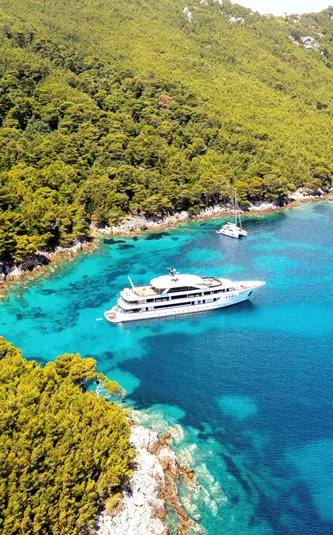
Dalmatian Coast

Discover coastal towns, sheltered coves and island harbours along Croatia’s Dalmatian Coast. 

Croatian Cuisine

Taste regional wines, fresh seafood and Dalmatian pasticada, a traditional beef stew, marinated for several days before being slow-cooked with wine, prunes and spices. It is traditionally served with gnocchi. 

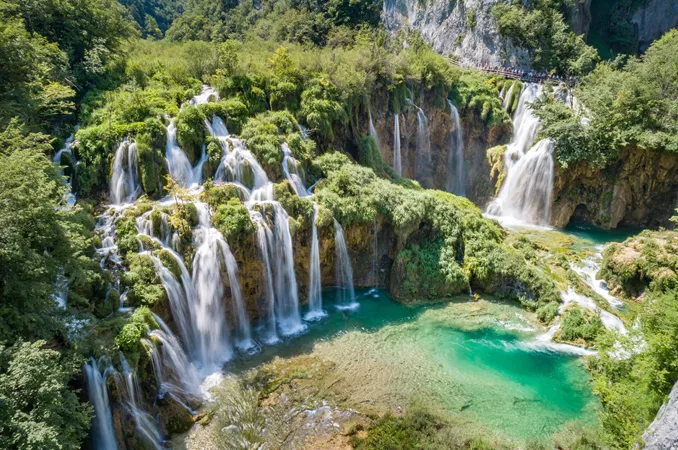
Plitvice Lakes National Park

Explore interconnected lakes, cascading waterfalls and walking trails through woodland. 

Hvar

Explore Hvar Town’s historic streets and waterfront, then discover the island’s villages and lavender-growing countryside. 

Dubrovnik

Walk Dubrovnik’s medieval city walls and explore the historic streets of its Old Town. 

Split

Explore Diocletian’s Palace, where Roman remains form part of the streets and buildings of Split’s historic centre. 

Useful information

Your search for ""

clear search

Communications

Country Code for Croatia: +385 


Official Travel advice visit: 

Croatia Travel Advice & Safety | Smartraveller (Australia) 

SafeTravel NZ – Croatia (New Zealand) 


Emergency Services: 112 


Australian Embassy, Zagreb 

Grand Centar, Fifth Floor, Hektoroviceva 2, 10000 Zagreb, Croatia 

Phone: +385 1 489 1200 Email: austemb.zagreb@dfat.gov.au, consular.zagreb@dfat.gov.au 
Website: https://croatia.embassy.gov.au 


New Zealand Embassy Rome 

Via Clitunno, 44, 00198 Rome, Italy 

Phone: +39 06 853 7501 

Email: NZEmbassy.Rome@mfat.govt.nz  

Website: https://www.mfat.govt.nz/italy  

Customs

Croatians are proud of their cultural heritage and place importance on politeness, punctuality and respect. A warm greeting when entering shops, restaurants or small businesses goes a long way.  


English is commonly spoken in tourist areas, although learning a few Croatian phrases can help you connect with the people you meet. 


Casual clothing suits many coastal settings but cover swimwear when walking through towns and dress respectfully when visiting churches and other religious sites. Follow any posted dress requirements.   


Dining is a relaxed social occasion, and you’re encouraged to take your time and enjoy the local food, wine and conversation.   
Electricity

Croatia uses type C and type F plugs, with a standard electricity supply of 230V, 50Hz. Travellers from Australia and New Zealand will need a compatible plug adaptor. Check that your appliances support the local voltage. 

Health

During periods of extreme heat, plan outdoor activities for the cooler parts of the day, such as early morning or late afternoon. Take regular breaks and seek shade whenever possible. Stay well hydrated by drinking plenty of water. 


For official travel advice visit: 

Croatia Travel Advice & Safety | Smartraveller (Australia) 

SafeTravel NZ – Croatia (New Zealand) 

How to Get There & Getting Around

Travelling from Australia or New Zealand, most travellers fly via major European or Middle Eastern hubs before arriving in Zagreb, Split or Dubrovnik. Croatia is also easily combined with neighbouring European destinations, making it a popular addition to a wider European itinerary.  


Buses connect major cities and many coastal towns, while ferries and passenger boats link the mainland with numerous islands. Domestic flights can help cover longer distances. Hiring a car can offer flexibility for exploring rural areas, national parks and the coast at your own pace. 

Holidays & Festivals

  • Dubrovnik Summer Festival (July-August): One of Croatia's most celebrated cultural events, transforming Dubrovnik's historic streets, palaces and fortresses into stages for theatre, music and dance performances. 

  • Advent in Zagreb (November-January): A festive Christmas celebration featuring decorated streets, markets, live music, local food and a festive winter atmosphere throughout the capital. 

  • Rijeka Carnival (January-February): Croatia's largest carnival, known for its colourful costumes, elaborate floats, street parades and lively celebrations.  

  • Za Krizen procession (Holy Thursday into Good Friday): On Hvar, this overnight religious tradition links six communities through processions led by cross-bearers. It is recognised by UNESCO as intangible cultural heritage. 

  • Festivity of Saint Blaise, Dubrovnik (3 February):
    Dubrovnik honours its patron saint with religious ceremonies, a procession and local traditions. Celebrations begin on the preceding evening.

Language

Croatian is the main language spoken. English is commonly spoken in tourist areas. 

Money, Tipping & Shopping

Preferred currency and spending 

Croatia's currency is the euro (€). Credit and debit cards are widely accepted throughout the country, although carrying some cash in smaller denominations is recommended when visiting smaller islands, local markets or rural areas.  


Tipping culture and customs 

Tipping is optional in Croatia but appreciated for good service. In restaurants, you may choose to leave around 5–10%, depending on the service received. 


Shopping tips

Croatia offers locally produced goods, including olive oil, truffles, lavender products, artisanal jewellery, wine and traditional handicrafts. Local markets are ideal for finding souvenirs, while coastal towns and cities such as Dubrovnik and Split feature a mix of boutique stores and designer shopping. 

Visas

Australian and New Zealand passport holders can generally visit Croatia for tourism without a visa for up to 90 days in any 180-day period under standard Schengen short-stay rules. This allowance applies across the Schengen area, rather than separately to Croatia. Check current entry requirements and any circumstances affecting your eligibility before travelling through Smartraveller or SafeTravel and the relevant Croatian authorities. 

 
Official Travel advice visit: 

Croatia Travel Advice & Safety | Smartraveller (Australia) 

SafeTravel NZ – Croatia (New Zealand)

From the Blog