Highlights

Tokyo

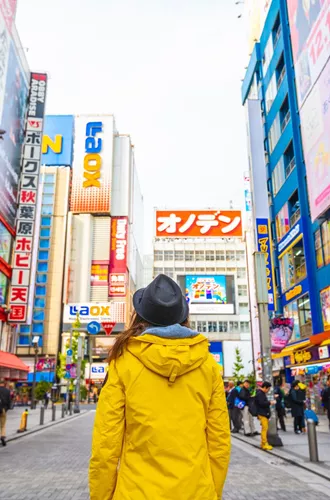
A city where tradition and innovation coexist, from Meiji Jingū’s forested grounds and Koishikawa Kōrakuen’s gardens to Asakusa’s temple streets. Tokyo introduces you to the many faces of modern Japan. 

Kyoto

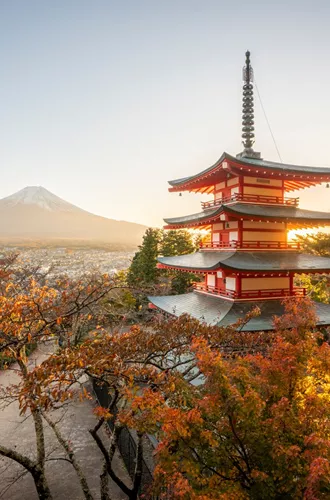
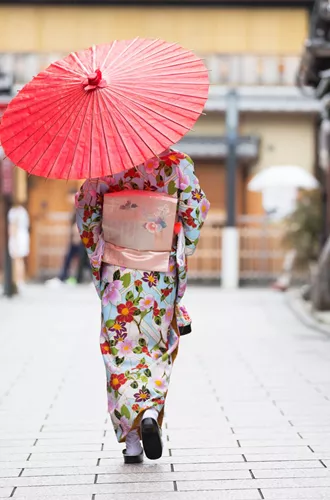
Kyoto’s temples, gardens and traditional teahouse districts reveal the heritage of Japan’s former capital. Cherry blossoms and autumn leaves bring seasonal colour to the city’s religious sites and parks. 

Osaka

Discover Osaka through its food and neighbourhoods, from the neon signs of Dotonbori to the city’s local restaurants and standing bars. Historic landmarks add another layer to this lively port city.

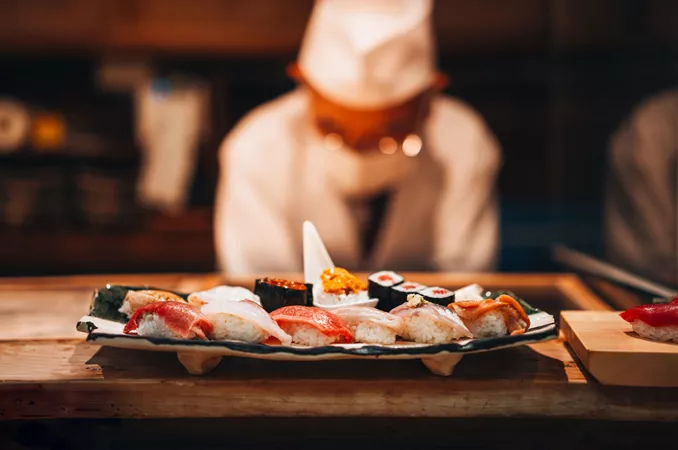
Japanese Cuisine

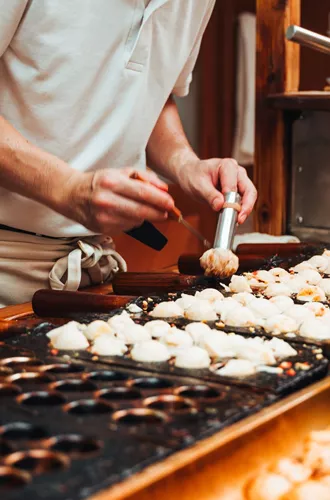
Discover Japan’s food traditions through seasonal dinners and hands-on cooking. Make soba noodles in Tokyo, prepare sushi in Kyoto and explore Fukuoka’s yatai street food stalls with a local guide. 

Regional cities and towns

Explore beyond Japan’s major cities, from Kanazawa’s samurai district and the fishing village of Ine near Amanohashidate to the Buddhist temples of Koyasan and Fukuoka’s food stalls. Each offers a different local story. 

Kyushu

In south-western Japan, Kyushu brings together volcanic landscapes, hot spring towns and historic ports. Explore its regional food and traditions, shaped in part by centuries of contact with other countries. 

Useful information

Your search for ""

clear search

Communications

Country Code for Japan: +81 


Official Travel advice visit: 

Japan Travel Advice & Safety | Smartraveller (Australia) 

SafeTravel NZ – Japan (New Zealand) 


Emergency Services: Ambulance and Fire 119 | Police 110 


Australian Embassy 

2-1-14 Mita, Minato-ku 

Tokyo 108-8361 

Phone: +81 3 5232 4111 

Email: consular.tokyo@dfat.gov.au  

Website: japan.embassy.gov.au 


New Zealand Embassy 

20-40 Kamiyama-cho, Shibuya-ku,  

Tokyo 150-0047 

Phone: +81 3 3467 2271 

Email: nzemb.tky.cons@mfat.govt.nz 

Website: www.mfat.govt.nz/japan 

Customs

Consideration for others shapes many everyday customs in Japan, from greeting someone with a bow to keeping conversations quiet on public transport. You don’t need to know every convention before arriving. Following local guidance and asking when you’re unsure will help you navigate unfamiliar situations. 


When entering a traditional ryokan, private home, temple accommodation or some restaurants, shoes should be removed and left at the entrance. Slippers may be provided for indoor use, and separate slippers are often used in bathrooms. 


Public transport etiquette is taken seriously. It is customary to keep conversations quiet on trains and buses, avoid speaking on mobile phones and offer priority seating to elderly passengers, pregnant women and those with disabilities. Queuing in an orderly manner is expected throughout Japan, particularly at train stations and bus stops. 


When visiting temples and shrines, dress respectfully and follow any guidance provided at the entrance. At Shinto shrines, visitors may observe worshippers purifying their hands and mouth at a water pavilion before approaching the main shrine. Photography may be restricted in certain religious buildings or sacred areas. 


Onsen, Japan’s hot spring baths, have their own bathing customs. Wash thoroughly before entering the communal water and keep towels out of the bath. Bathing is usually without swimwear, although some facilities have different rules. Tattoo policies also vary, so check with your accommodation or the bath operator before visiting. 


Dining etiquette is also important. When sharing dishes, use serving utensils where provided. Avoid standing chopsticks upright in a bowl of rice, as this is associated with funeral rituals. Slurping noodles is common and acceptable, but there is no expectation that you do so. 


Learning a few simple Japanese phrases such as arigatou gozaimasu (thank you) and sumimasen (excuse me) is appreciated and can help create positive interactions with local people. 
Electricity

Electrical Socket Type: Type A and Type B 

Voltage: 100 volts 

Frequency: 50Hz in eastern Japan (including Tokyo) and 60Hz in western Japan (including Osaka and Kyoto) 


Bring a travel adaptor and check that your devices are compatible with Japan’s 100V electricity supply. 

Health

The following information is a general guide and does not replace professional medical advice. Speak with your doctor or a travel health specialist before departure about vaccinations and any advice relevant to your journey. 


Japan has a high standard of medical care, although English-speaking services can be harder to find outside major cities and payment may be required upfront. Arrange travel insurance that covers your planned activities and medical needs. 


Japan has strict rules about bringing medicines into the country. Check your prescription and non-prescription medicines before travelling, including whether permission is required. Refer to the Ministry of Health, Labour and Welfare and the latest official travel advice. 


Food and water standards are excellent throughout the country and tap water is safe to drink in most areas. 


For official Travel advice visit: 

Japan Travel Advice & Safety | Smartraveller (Australia) 

SafeTravel NZ – Japan (New Zealand) 

How to Get There & Getting Around

Japan is served by several major international airports, including Tokyo's Narita and Haneda airports and Osaka's Kansai International Airport, with regular connections from Australia and New Zealand. 


Getting around Japan is efficient and convenient thanks to its extensive rail networks. High-speed Shinkansen trains connect major cities including Tokyo, Kyoto, Osaka, Hiroshima and Fukuoka, while regional rail services provide access to smaller towns and regional destinations. 


Domestic flights are available for longer distances, particularly when travelling to Kyushu, Hokkaido or Okinawa.  


Extensive subway and local train systems make navigating cities straightforward, while buses, taxis and ferries provide additional transport options throughout the country. 

Holidays & Festivals

  • Cherry blossom season, generally March to May: Flowering moves through Japan at different times, with the main season in Tokyo, Kyoto and Osaka usually falling in late March and early April. 

  • Gion Matsuri, July: Kyoto’s month-long festival includes processions of elaborate floats and traditions associated with Yasaka Shrine. 

  • Obon, usually August: Families honour their ancestors through visits, ceremonies and local celebrations. Dates and customs vary, with some areas observing Obon in July. 

  • Takayama Autumn Festival, 9 to 10 October: Ornate festival floats appear in Takayama’s historic streets during celebrations associated with Sakurayama Hachimangu Shrine. 

  • New Year, late December to early January: Family gatherings and visits to shrines and temples mark this major holiday period. Transport can be busy and some businesses close. 

Language

Japanese is the official language. English signage is common in major cities. Learning a few basic Japanese phrases is appreciated and can enrich your travel experience. 

Money, Tipping & Shopping

The official currency of Japan is the Japanese yen (JPY). Credit and debit cards are widely accepted in major cities, hotels and larger businesses, although some smaller restaurants, shops and regional establishments still prefer cash. Carrying yen is recommended, particularly when travelling beyond major cities. 


Tipping is not expected in Japan and may even cause confusion. Excellent service is considered standard and hospitality is an important part of Japanese culture. 


Popular shopping items include Japanese ceramics, handcrafted knives, traditional textiles, lacquerware, tea, stationery, local confectionery and regional food products. Department stores, specialist boutiques and local markets offer a wide variety of authentic souvenirs. 

Visas

Australian and New Zealand passport holders do not currently require a visa for tourist visits to Japan of up to 90 days. Travellers must hold a valid passport and may be asked to provide evidence of onward or return travel. Visa requirements can change, so travellers should check the latest entry requirements before departure. 

For official travel advice visit:

Japan Travel Advice & Safety | Smartraveller (Australia) 

SafeTravel NZ – Japan (New Zealand) 


From the blog