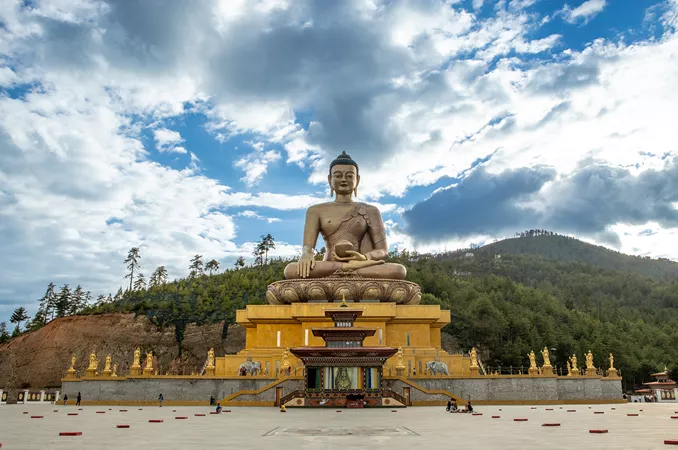
Highlights

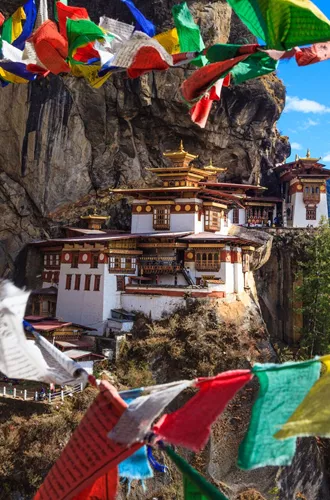
Taktsang – the Tiger’s Nest

Clinging impossibly to a sheer cliff, the iconic Tiger’s Nest Monastery rewards the trek with jaw-dropping views and a real sense of magic. This is one of those places that feels every bit as special as it looks. 

Himalayan Landscapes

Bhutan’s scenery is next level; snow-capped peaks, deep forested valleys and winding mountain roads. Add in dramatic dzongs and sacred monasteries, and every turn feels like a picture-perfect moment. 

Living Buddhist Culture

Buddhism shapes everyday life here, from fluttering prayer flags to fortress monasteries. Time your visit with a festival and you’ll see vibrant masks, music and traditions that haven’t changed in centuries. 

Useful information

Your search for ""

clear search

Communications

Country Code for Bhutan: +975  


Official Travel advice:  

Australia: Bhutan Travel Advice & Safety | Smartraveller 

New Zealand: SafeTravel NZ: Bhutan 


Emergency Services: Ambulance: 112 Fire: 110 Police: 113  

Australia and New Zealand don’t have an embassy or consulate in Bhutan. For consular assistance, contact the Australian High Commission or New Zealand High Commission in New Delhi, India. 


Australian High Commission 

No. 1/50 G Shantipath (Gate 1), Chanakyapuri, New Delhi, India 110021  

Phone: +91 11 4139 9900  

Fax: +91 11 2687 2228 

Website: india.highcommission.gov.au 

Email: ahc.newdelhi@dfat.gov.au 


New Zealand High Commission 

Sir Edmund Hillary Marg, Chanakyapuri, 110021, New Delhi, India 

Phone: +91 11 46883170 

Fax: +91 11 46883165 

Email: nzhcindia@mfat.govt.nz  

Customs

Travelling in Bhutan is as much about understanding the culture as it is about seeing the scenery. It’s a deeply spiritual country where Buddhism shapes everyday life, and that’s reflected in how people behave, dress and interact.  


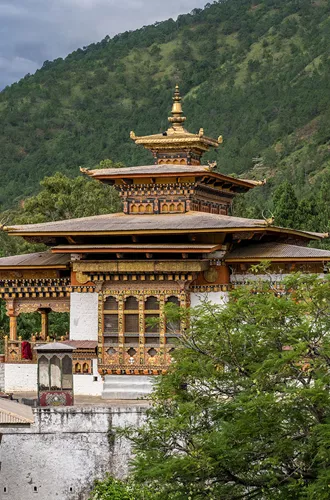
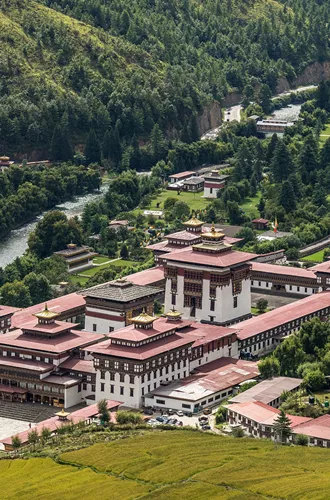
You’ll notice it in the presence of dzongs (fortress/monasteries), temples and prayer flags. These are active places of worship, so it’s important to approach with respect. Dress modestly, covering your shoulders and knees, and always remove your shoes and hat before entering. Inside, keep your voice low, move calmly and follow local customs, such as walking clockwise around religious sites and prayer wheels. 


Bhutanese people tend to be softly spoken, polite and restrained. A warm smile goes a long way, and a gentle greeting like “Kuzu zangpo la” is always appreciated. It’s customary to use both hands, or your right hand supported by your left, when giving or receiving items such as money, food or gifts. Public displays of frustration or loud behaviour don’t sit well here, so keep things relaxed and respectful. Small gestures matter too. Avoid pointing with your finger (use an open hand instead), don’t touch someone’s head, and don’t point your feet towards other people or religious objects. 


When it comes to clothing, think neat, modest and practical. Bhutan is conservative, so covering up is the safest bet. While you don’t need to wear traditional dress, you’ll likely see locals in gho (for men) and kira (for women), and you may even get the chance to try it yourself. It’s also worth noting that many government buildings and dzongs require a slightly smarter standard of dress, so avoid anything too casual if you’re planning to visit. 


Photography is fine in outdoor areas, but always ask before taking photos of people, and be mindful that photography is often not allowed inside temples or during certain religious ceremonies. If you’re visiting during a festival (tshechu), these are important spiritual events, not performances staged for tourists.  


Food and hospitality are an important part of Bhutanese life, and if you’re invited to share a meal, it’s polite to accept. Meals are relaxed and communal. Accept food or drink with your right hand or both hands and avoid wasting food. If you’ve had enough, a polite gesture will signal you’re finished. 
Electricity

Electrical Socket type: Type C, D & G (European and British-style plugs) 

Voltage: 230 volts (compatible with Australia and New Zealand) 

Health

The following information is intended as a guide only and in no way should it be used as a substitute for professional medical advice relative to a traveller's individual needs and vaccination history.  


You're at risk of altitude sickness if you travel above 2,500 metres. It can be life-threatening and can affect anyone, even if you're very fit and healthy. High altitude impacts the body by reducing oxygen levels, leading to symptoms such as shortness of breath, headaches, dizziness, fatigue and nausea – altitude sickness.   


Bhutan’s main tourist sites are located at the following altitudes: 

  • Thimphu: 2,320 metres  
  • Paro: 2,250 metres 
  • Punakha: 1,250 metres 
  • Bumthang: 2,600 metres 
  • Phobjikha Valley: 3,000 metres 


Dengue occasionally occurs in lowland areas. Malaria risk is very limited and mainly confined to southern border regions. 


Hospital and medical facilities are below Australian standards. Facilities outside of Thimphu are limited. If you're seriously ill or injured, you may need medical evacuation to another country, such as India or Thailand. Make sure your travel insurance covers this. 


Official Travel advice:  

Australia: Bhutan Travel Advice & Safety | Smartraveller 

New Zealand: SafeTravel NZ: Bhutan 

How to Get There & Getting Around

Getting to Bhutan takes a bit of planning, but that’s part of what makes it feel like such a special destination. There are no direct flights to Paro, Bhutan. You’ll need to travel via a major hub in Asia. The most common routes are via Bangkok (most frequent and reliable route), Singapore, Delhi or Kathmandu. 


Flights to Paro are only operated by Bhutan’s national carriers, Drukair or Bhutan Airlines (Tashi Air). They are only scheduled for daylight hours and are dependent on suitable weather conditions.  


Getting around Bhutan is quite different to most destinations as you won’t be self-driving or taking public transport. Travellers get around by private vehicle with a driver, usually arranged through your tour operator. This is the standard way to explore Bhutan and gives you the flexibility to stop for photos, visit villages or take in those incredible Himalayan views along the way. Roads are winding and slow-going, so journeys often take longer than the distance might suggest. But the scenery more than makes up for it. 


In terms of distances, the main locations like Thimphu, Paro and Punakha are all connected by road, typically within a few hours of each other. However, heading further east or into more remote regions can involve longer, full-day drives through mountain passes. 


There are no trains, and public buses are very limited and not geared towards visitors. There are a handful of domestic flights and helicopter services, but these aren’t commonly used by travellers and tend to be very expensive.

Holidays & Festivals

  • Paro Tshechu – March/April: - Set in the stunning Paro Valley, this is Bhutan’s most famous festival - and for good reason. Locals dress in their finest traditional outfits while monks perform vibrant masked dances that tell stories of good, evil and everything in between. It’s colourful, spiritual and genuinely unforgettable. 

  • Thimphu Tshechu – September: Held in the capital, this is one of the biggest festivals in the country and a lively mix of culture and community. Expect a packed courtyard, elaborate costumes and a buzzing atmosphere as locals come together to celebrate, socialise and soak up the spectacle. 

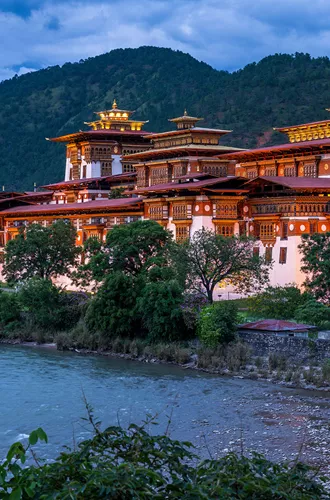
  • Punakha Drubchen & Tshechu – February: This one stands out for its theatrical edge, with a dramatic re-enactment of a historic battle playing out in front of the impressive Punakha Dzong. Alongside the action, you’ll see traditional dances and ceremonies that add depth to the experience. 

  • Jambay Lhakhang Drup – October/November: Taking place in the Bumthang Valley, this festival has a more spiritual, intimate feel. It’s known for its unique rituals, including evening ceremonies that are rarely seen elsewhere, giving it a slightly mysterious and deeply cultural edge. 

  • Haa Summer Festival – July: A bit different from the rest, this festival celebrates Bhutan’s rural lifestyle and nomadic traditions. Think traditional sports, local food and cultural performances, all set against the backdrop of the peaceful Haa Valley—perfect if you’re after something a little less touristy. 

Language

The official language of Bhutan is Dzongkha. English is also widely used, particularly in government, education and tourism, so most travellers won’t have any issues communicating. 

Money, Tipping & Shopping

The local currency is the Bhutanese Ngultrum (BTN), which is used for all everyday transactions. 


The Ngultrum is pegged 1:1 with the Indian Rupee (INR), and Indian currency is widely accepted throughout the country (although larger notes may not always be accepted).  


Cash is king in Bhutan, particularly outside the main towns, so it’s best to carry small denominations. Credit cards are accepted in higher-end hotels and shops in places like Thimphu and Paro, but usage is limited.  

Card payments are becoming more common in larger towns and hotels but cash remains essential outside the main centres. 


For most travellers, you’ll only need cash for extras like souvenirs, snacks and tips, as many travel costs are prepaid as part of your trip. 


Tipping isn’t traditionally part of Bhutanese culture, but it’s become common in the tourism industry. It’s expected to tip guides and drivers at the end of your journey as a thank you for their service. In restaurants and hotels, tipping is less common, though rounding up the bill or leaving a small amount is appreciated. Overall, it’s more about showing genuine appreciation than following strict rules. 


Shopping in Bhutan is all about meaningful, locally made pieces. You’ll find beautiful handwoven textiles, thangka paintings, wooden crafts and handmade paper goods, all reflecting the country’s strong artistic traditions. Most shopping happens in Thimphu and Paro, where you’ll find everything from local markets to government-run handicraft stores. Prices are often fixed in shops. Some market vendors may negotiate prices, although fixed pricing is common. 


Quality and craftsmanship matter here, so take your time, ask questions and buy from reputable sellers, especially for higher-value items like textiles or artwork. Not only will you get something unique, but you’ll also be supporting local artisans and traditional skills that have been passed down for generations.

Visas

The Travel Corporation has partnered with the company Sherpa to provide travellers with the latest government and health restrictions. Simply enter the country you want to travel to for information on safety regulations, border closures, quarantine requirements, your travel visa and more using the Sherpa travel tool.

Bhutan has several entry requirements, including a 'Sustainable Development Fee.'  This is central to how Bhutan manages tourism, and it’s quite different to a typical tourist tax. The SDF is a mandatory daily fee paid by all international visitors as part of the visa process. It’s charged per person, per night for the entire duration of your stay. The SDF is not a package or service fee, and it doesn’t include accommodation, guides, or meals. It is designed to support Bhutan’s ‘High Value, Low Impact’ (or low volume) tourism model, which prioritises sustainability over mass tourism. In practice, it: 

  • Limits visitor numbers 
  • Ensures travellers contribute meaningfully to the country 
  • Maintains a more exclusive visitor experience 


You will need a visa to travel to Bhutan: Visa Advice 


Official Travel advice:  

Australia: Bhutan Travel Advice & Safety | Smartraveller 

New Zealand: SafeTravel NZ: Bhutan 

From the Blog