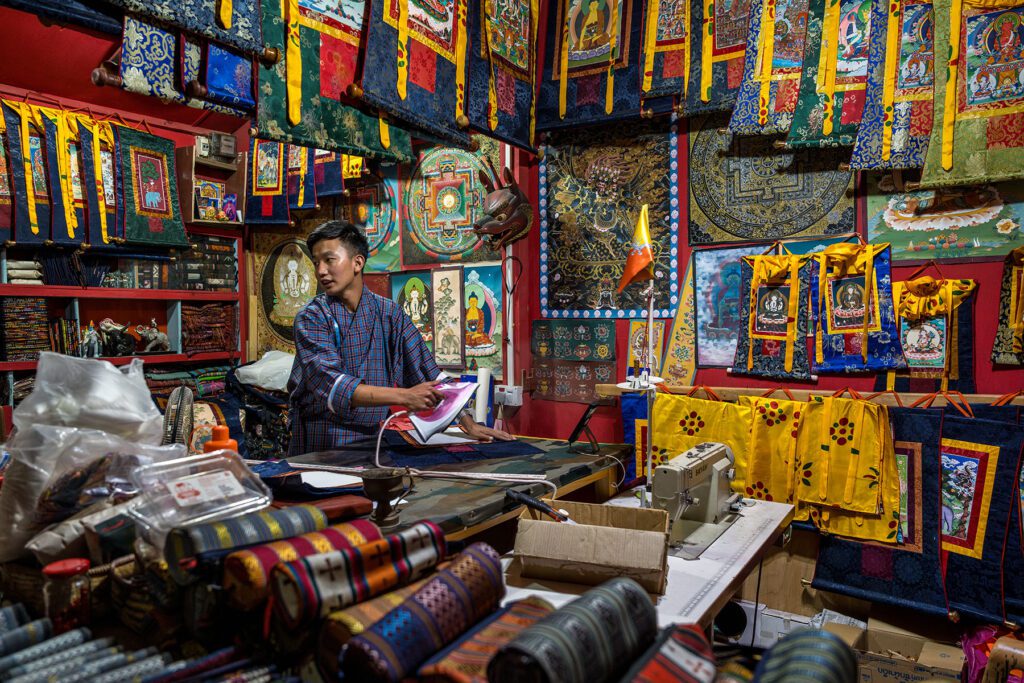

Set in the eastern Himalayas between India and China, Bhutan brings together forested mountain valleys, cliffside monasteries and traditions that remain part of everyday life. Prayer wheels turn beside busy streets, artists learn techniques passed between generations and communities gather for religious festivals.
Known as the Land of the Thunder Dragon, a journey here can take you from Thimphu’s markets and cultural institutions to the riverside setting of Punakha Dzong and the forest path leading to Tiger’s Nest Monastery. Local guides help explain the stories, beliefs and customs behind the places you visit.
If you’re considering Bhutan for 2027, these eight reasons offer a starting point, alongside practical information to help you choose your dates and plan a journey around your interests.
1. Experience One of the World's Most Sustainable Destinations
Bhutan is one of the world’s more sustainable travel destinations, and it’s easy to see why. The country follows a “high-value, low-impact” tourism model designed to protect its landscapes, culture and communities while ensuring travellers like you, enjoy a meaningful experience. Every journey is thoughtfully curated for deeper connections with people and places.
Bhutan manages tourism through its Sustainable Development Fee, which in turn, funds education, healthcare, infrastructure and conservation projects. While it does increase the cost of travelling to Bhutan, it directly preserves the landscapes, cultural heritage and local way of life. Put plainly, you’re actively contributing to the country’s conservation simply by travelling there. In a world where overtourism is common, Bhutan offers a refreshing alternative.
Community-based tourism is at the heart of Bhutan’s travel experience, giving you the opportunity to connect with communities through village stays, cultural workshops and locally led experiences that directly support livelihoods and preserve traditions. Plus, as a carbon-negative nation, Bhutan balances tourism with a deep commitment to conservation, keeping more than 70% of the country under forest cover, meaning the landscapes you’re travelling through are lush at every turn.
2. Visit the Iconic Tiger's Nest Monastery
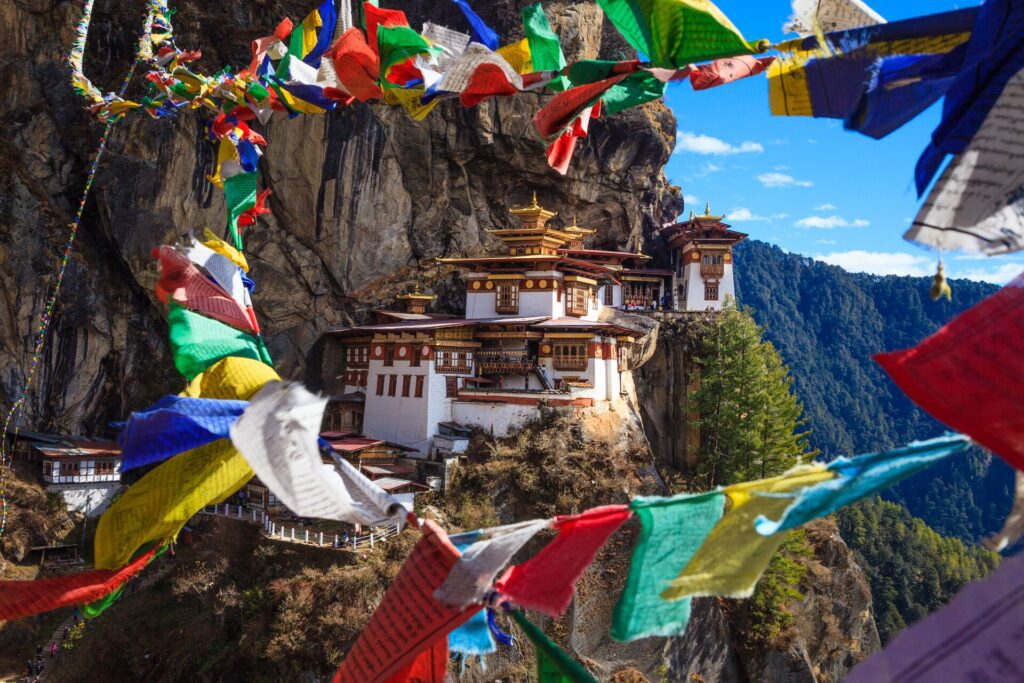
Few landmarks capture the imagination quite like Tiger’s Nest Monastery, or Paro Taktsang. Perched on a cliff face about 900m above the Paro Valley, it is Bhutan’s most recognisable sight. According to legend, Guru Rinpoche flew to the site on the back of a tigress in the 8th century and meditated there, helping establish Buddhism in Bhutan.
The path to Paro Taktsang climbs through pine forest, with prayer flags and viewpoints along the approach. While reasonably fit travellers can complete the walk comfortably in four to six hours return, the elevation means it’s worth taking your time. The grand views and spiritual significance make the journey well worth the effort.
Some useful tips:
- For those who prefer a gentler pace or to only do part of the hike, the halfway teahouse offers eye-level views of the monastery. It’s a great place to stop and soak up the scenery before either continuing on, turning around or waiting for friends to return.
- Acclimatise in Bhutan for a few days before tackling the hike. Adventure World always put the hike at the end of journeys for this reason.
- Wear sturdy walking shoes and carry layers appropriate to the conditions.
- Clear mornings provide the best photography opportunities, with the monastery appearing to float above the valley below.
- Discuss the full walk and any shorter alternative with your guide before setting out.
3. Experience Bhutan’s Religious Festivals
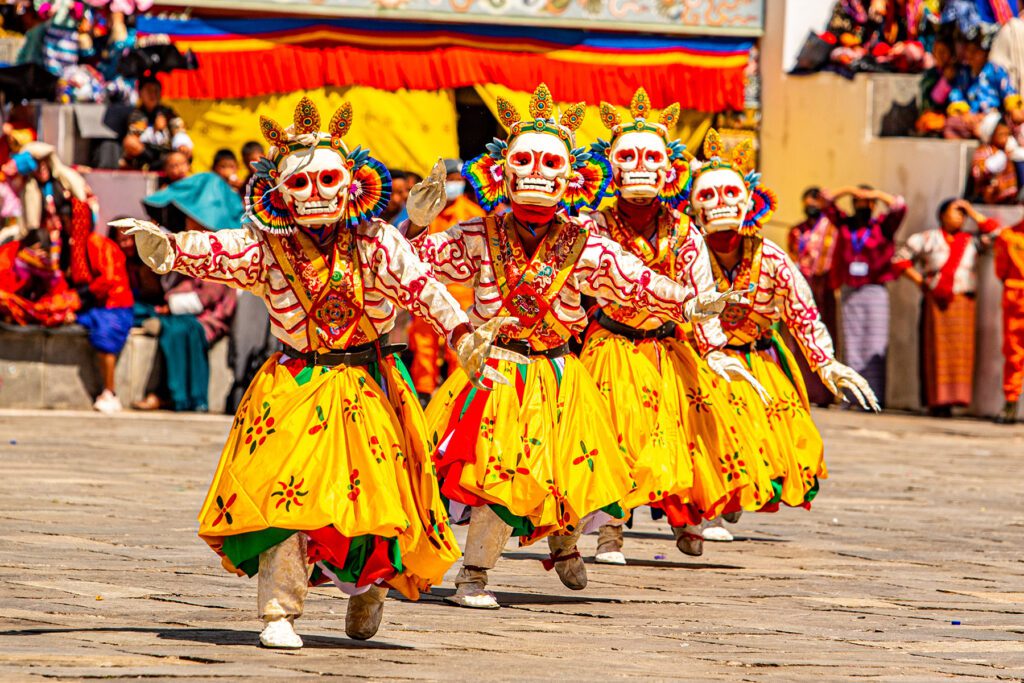
If you want to experience Bhutan at its most vibrant, plan your visit around a tshechu, one of the country’s annual festivals. These celebrations bring communities together through sacred masked dances known as Cham. Accompanied by traditional music, the dances share Buddhist teachings, celebrate heritage and are believed to bring blessings to those who witness them.
Tshechus are religious and social gatherings for the communities who attend them. Families arrive in gho and kira, Bhutan’s traditional dress, and spend time watching the ceremonies and meeting relatives and friends. Bhutanese games such as khuru (darts) and degor, a stone-throwing game like horseshoes, are played. A local guide can explain the dances and the etiquette of attending, helping you understand the significance of what you see.
Popular fairs such as the Paro Tshechu and Thimphu Tshechu attract visitors from around the world, so planning ahead is essential. Festival dates follow the lunar calendar and change each year, so confirm the programme with your Destination Specialist before finalising arrangements. The combination of costumes, centuries-old rituals and community spirit offers an insight into Bhutanese culture that’s difficult to replicate elsewhere.
4. Discover a Living Buddhist Culture
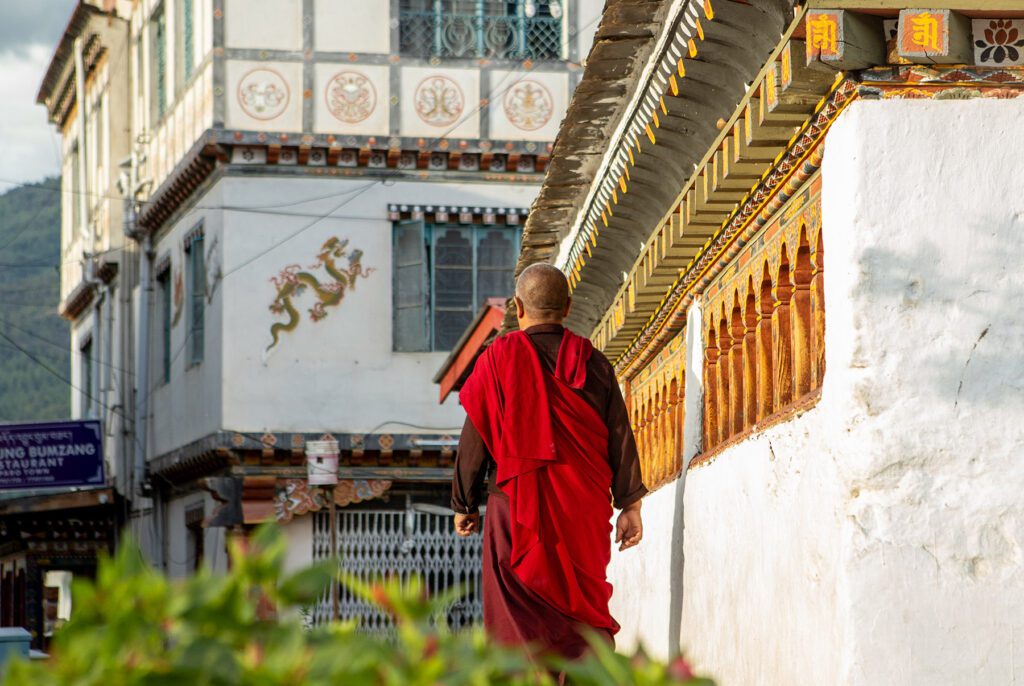
Buddhist traditions shape many of Bhutan’s religious buildings, artworks and daily practices. Along the way, you may see worshippers turning prayer wheels, communities gathering at shrines and monks studying in monasteries. Your guide can explain the customs associated with each place and how to visit respectfully.
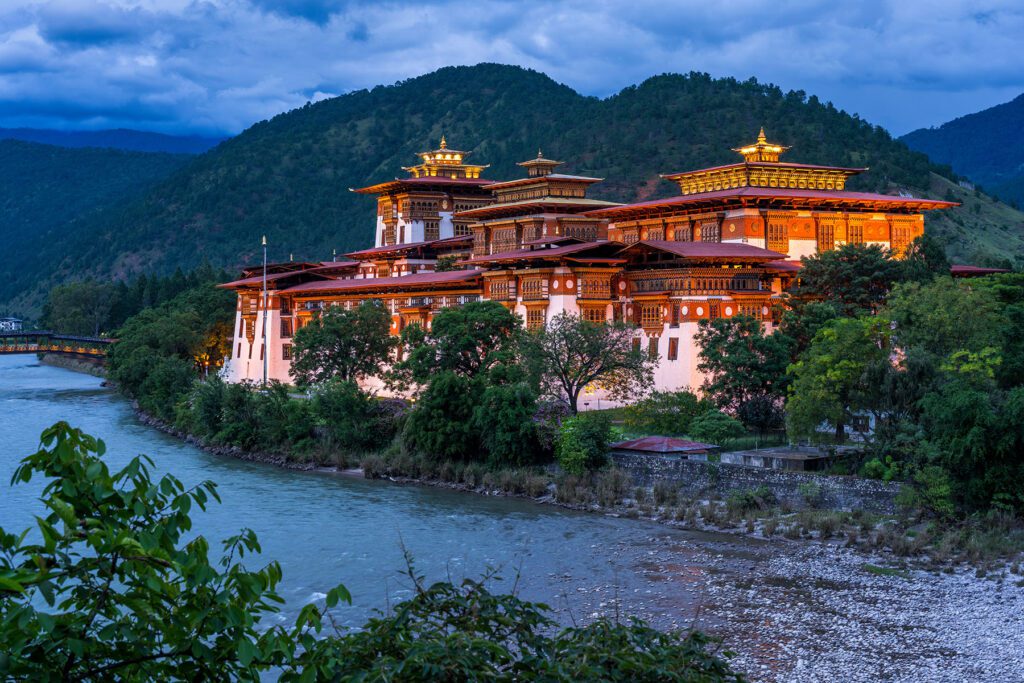
Bhutan’s dzongs are fortress-monasteries that combine religious and administrative functions. At Punakha Dzong, the setting adds another dimension to the architecture: its buildings stand where the Pho Chhu and Mo Chhu rivers meet.
Selected Adventure World journeys visit the National Institute for Zorig Chusum in Thimphu, where students train in Bhutan’s 13 traditional arts and crafts. Seeing the teaching process provides context for the paintings, carvings, textiles and religious objects encountered elsewhere in the country. Papermaking workshops produce deysho paper using bark from native plants. Adventure World’s Bhutan journeys also include opportunities to meet artisans, monks and local communities, along with experiences such as butter lamp lighting, blessing ceremonies and prayer flag raising, which help bring Bhutan’s living spiritual culture to life.
You may also encounter Bhutan’s philosophy of Gross National Happiness, which prioritises wellbeing alongside economic development. While often discussed internationally, it’s something many travellers notice firsthand through the country’s slower pace, strong community values and focus on balance.
For those interested in culture, Bhutan doesn’t simply preserve traditions. It lives them.
5. Explore the Himalayas Without the Crowds
The Himalayas feature on countless travel wish lists, yet many of the region’s most famous trekking destinations can feel crowded during peak seasons. Bhutan offers something increasingly rare, vast scenery without the crowds. From the Dochula Pass to the remote valleys of Gangtey, Phobjikha and Bumthang, the country’s landscapes offer a peaceful setting. Adventure World’s itineraries take travellers through these regions, where snow-capped peaks, forested valleys and traditional villages create some of the most rewarding scenery in Asia.
Different seasons bring different experiences. Spring brings flowering rhododendrons, while autumn often offers clearer mountain views. Winter is a time to look for black-necked cranes in the Phobjikha Valley, with sightings dependent on the birds’ movements and local conditions. Summer brings green landscapes and monsoon rain, which can affect road journeys and other arrangements.
If higher-altitude activities are on your list, allow time to acclimatise and be realistic about your walking abilities. A well-paced itinerary often leads to a much more enjoyable experience than trying to do too much too quickly.
6. Spend Time with Local Communities
One of Bhutan’s greatest strengths isn’t found in its landscapes or monuments. It’s found in the people you’ll meet along the way.
The country’s tourism model encourages meaningful cultural exchanges rather than rushed sightseeing. This creates opportunities to spend time in villages, visit local homes and learn directly from Bhutanese communities. Bhutan’s local guides play an essential role in the travel experience, sharing firsthand knowledge of the kingdom’s history, Buddhist traditions and way of life while providing valuable cultural context at every step of the journey.
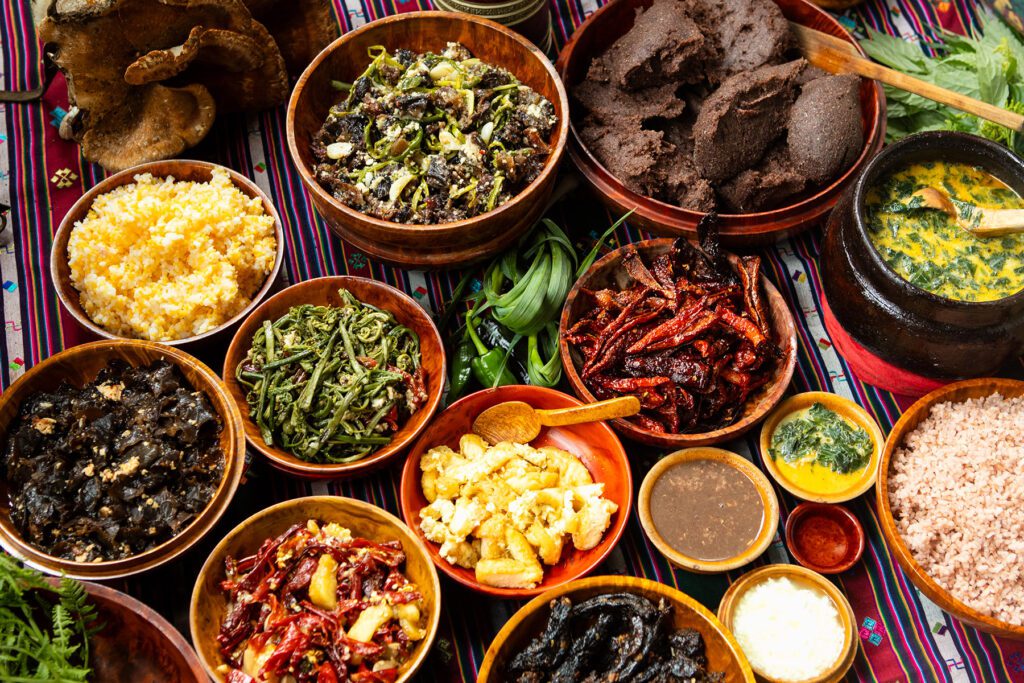
On Authentic Bhutan, a farmhouse lunch in Ura provides an opportunity to meet a local family and experience a meal in a village setting. Elsewhere, guided village visits help explain the homes, farming landscapes and customs you encounter. Bhutanese cooking offers another point of connection, including ema datshi, a chilli-and-cheese dish that forms part of the country’s food traditions.
7. See How Tradition Fits into Contemporary Life
Bhutan’s traditions are encountered within a country that is continuing to change. In Thimphu, shops, markets and cultural institutions sit alongside religious landmarks. Traditional dress remains visible at work, school and formal occasions, while contemporary businesses and everyday routines reveal other aspects of life in the capital.
Exploring with a local guide creates space to ask about what you see: the significance of clothing, the use of a particular building or the role of a religious practice. Moving between the capital and smaller settlements also shows how experiences differ across the country.
These details offer a fuller picture of Bhutan than describing it as untouched or unchanged. They invite you to approach the destination with curiosity and listen to the people who live there.
8. Every Journey Supports Bhutan's Future
Travelling to Bhutan isn’t just about what you gain from the experience. It’s also about the positive contribution your visit can make.
Tourism revenue helps fund essential services including healthcare, education, infrastructure and environmental protection. The country’s tourism policies are designed to ensure benefits reach local communities while preserving cultural traditions and natural environments for future generations. This commitment to responsible tourism is visible throughout the visitor experience. From community-owned enterprises and locally guided tours to conservation initiatives and cultural preservation projects, tourism plays an important role in supporting Bhutan’s long-term goals.
Adventure World’s Travel with Purpose aligns naturally with Bhutan’s own values, connecting you with local people, traditions and experiences in ways that support communities while creating richer, more authentic journeys.
In a time when many travellers are looking for more purposeful ways to explore the world, Bhutan demonstrates that tourism can be both rewarding and responsible.
Frequently Asked Questions
Is Bhutan expensive to visit?
Bhutan’s total trip cost includes accommodation, all meals, transport, touring with a private guide and the applicable Sustainable Development Fee. The fee supports national development priorities and is separate from the services you book. Ask your Destination Specialist for confirmation of the prices applying to your 2027 travel dates.
Does Bhutan limit how many tourists visit each year?
Bhutan does not impose a fixed annual visitor quota. Its tourism policy uses fees and service requirements to manage tourism. Popular festivals and limited accommodation can still make advance planning important.
How do you experience Bhutan’s festivals?
Choose a festival and build your route around its confirmed programme. Dates can change, and major events can place pressure on accommodation and flights. Ask your Destination Specialist to check the schedule and whether attendance can be incorporated into your journey.
Do Australians and New Zealanders need a visa for Bhutan?
Yes. Australian and New Zealand passport holders need a visa approved before travelling to Bhutan. Ask your Destination Specialist to confirm the application arrangements, required documents and applicable fees for your booking.
When is the best time to visit Bhutan?
Spring, from March to May, and autumn, from September to November, are popular for cultural touring and mountain scenery. Conditions vary by elevation and location. Winter offers opportunities to look for black-necked cranes, while summer brings monsoon rain and possible travel disruption. Choose dates around your route and interests.
Can you travel independently in Bhutan?
You can arrange bookings independently, including accommodation and your visa application. However, independent booking does not remove the requirement for a licensed guide. Current official guidance requires guides for touring, including monument visits and travel between districts.
How many days should you spend in Bhutan?
The right duration depends on your route and pace. Adventure World’s current published Bhutan journeys range from eight to 15 days. An eight-day itinerary can focus on western Bhutan, while longer routes allow time to continue to places such as Bumthang or the Haa Valley.
Is Bhutan suitable for older travellers?
Bhutan can suit travellers seeking cultural touring, but suitability depends on the individual and the itinerary. Consider walking distances, steps, altitude, driving times and accommodation access. Discuss these with your Destination Specialist before booking, including alternatives to more demanding excursions.
Is Bhutan worth visiting?
Bhutan may appeal if you enjoy religious architecture, regional traditions, mountain landscapes and learning from local guides. Consider the cost, altitude and travelling time alongside the experiences that interest you to decide whether it suits your next journey.
What sort of accommodation is available in Bhutan?
Bhutan offers hotels, lodges and approved village homestays. The accommodation on your Adventure World journey depends on the itinerary booked. The four currently published Bhutan itineraries list hotel accommodation, so confirm any proposed farmhouse or homestay accommodation separately.
Why are phallic symbols painted on some Bhutanese houses?
These paintings are associated with protection, fertility and good fortune in Bhutanese folk and religious traditions. They are often linked to Drukpa Kunley, the fifteenth-century Buddhist teacher known as the Divine Madman. A local guide can explain their significance respectfully.
Is Bhutan suitable for first-time travellers to Asia?
An organised Bhutan journey can suit first-time visitors who value local guiding and arrangements made in advance. Consider the itinerary’s altitude, road journeys, walking and accommodation alongside the cultural experiences it offers.
Will I experience altitude sickness in Bhutan?
Altitude sickness can affect anyone, including physically fit travellers. The risk increases with elevation and rapid ascent. Our Adventure World Asia journeys stay below 4,000 metres above sea level, with only brief periods above 3,400 metres. You may notice changes such as shortness of breath as your body adjusts, but symptoms and acclimatisation times vary from person to person.
Discuss your itinerary with a medical practitioner before travelling and check current official health advice. For more information, visit the Health section of our Bhutan destination page here.
Do I need to be fit to visit Bhutan?
Fitness requirements depend on the itinerary. Cultural touring can still involve steps and uneven paths, while Tiger’s Nest requires a sustained uphill walk at altitude. Ask about the demands of each excursion and available alternatives before choosing your journey.
Plan Your Tailor-Made Bhutan Holiday
From the path to Paro Taktsang to the villages of Bumthang and the religious festivals of Paro and Thimphu, Bhutan offers different ways to explore its landscapes and culture.
Explore Adventure World’s Bhutan itineraries as a starting point, then speak with a Destination Specialist about your interests, preferred pace and 2027 travel dates. Call 1300 363 055 (AU) or 0800 238 368 (NZ) to start planning. Together, you can consider festival timing, walking requirements and the experiences you would most like to include.