

Recently updated on October 2nd, 2026 at 05:47 am
Why Rediscover Canada?
You’ve been to Canada and seen the icons – the turquoise of Lake Louise and the grandeur of Niagara Falls. You’ve gazed in awe at the scale of the Rocky Mountains in Banff and wandered the streets of Old Québec – but the truth is, you’ve only scratched the surface. It’s time to discover the hidden gems in Canada, a country that defies completion and rewards curiosity. It doesn’t just relish in first impressions – it thrives on second glances. And the more you return, the more it reveals.
This is a guide for return travellers – for those who want to go beyond the bucket list and explore lesser-known destinations in Canada, its seasonal rhythms, and its cultural heart. The quiet trails that wind through ancient forests, small towns where maple syrup is still tapped by hand, and Indigenous communities sharing stories older than the land itself.
Beyond the Icons – Seeing a Different Side of Canada
Canada’s vastness means there’s always more to discover. Seeing a different side of Canada isn’t about ticking off sights – it’s about slowing down, connecting with the land and people, and experiencing the country through fresh eyes.
Canada’s beauty lies not only in its grandeur, but in its layers. It’s a place that invites you back, again and again, to see something new, feel something deeper, and connect in ways you didn’t expect. There are seasons you haven’t yet felt – the hush of spring as wildlife awakens, the vibrant blaze of autumnal forests, the serenity of shoulder-season travel when the crowds fade and the landscapes speak louder…
For returning travellers, Canada offers a second chapter – one that’s more authentic and connected. It’s about finding unique experiences in Canada.
For Travellers Who’ve Been Before and Want More
Is once ever enough when it comes to Canada? If you’ve driven the Icefields Parkway and enjoyed the luxury of Rocky Mountaineer, you’re perfectly placed to dive deeper.
Beyond the iconic highlights, Canada reveals itself in quieter moments and lesser-known hidden gems. These moments invite you to engage with Canada’s essence—from its wild spaces to its welcoming communities.
You’ll find ideas for shoulder-season travel, Indigenous-led experiences, and hidden gems that offer an intimate connection to Canada’s communities.

Hidden Gems to Explore Across Canada
Calgary, Alberta – Your Gateway to New Adventures
Calgary is often thought of as the final stop before the Rockies rise into view – but for returning travellers, it’s a place to pause and explore. This city blends the spirit of the west with a modern, creative pulse, offering a rich mix of nature, culture, and community.
On the outskirts of Calgary, your journey takes a meaningful turn with a visit to the Yamnuska Wolfdog Sanctuary, a MAKE TRAVEL MATTER® Experience with Adventure World. This non-profit sanctuary offers a rare chance to meet rescued wolfdogs and gain insights into wolf conservation. It’s a powerful, educational experience that adds depth to your western Canada road trip.
Once in Calgary, the city opens up with possibilities. Inglewood invites you to wander through heritage streets lined with indie boutiques, vintage shops, and craft breweries. The East Village offers riverside paths, public art, and a glimpse into Calgary’s evolving urban identity. For culture lovers, Studio Bell, home of the National Music Centre, showcases Canada’s musical legacy in a striking modern space.
If you’re looking for a touch of nostalgia, visit Heritage Park for a walk through living history. For food lovers, Calgary is one of Canada’s most exciting culinary cities, with award-winning chefs, food tours that will feed your curiosity, and more than 40 buzzing breweries and distilleries downtown. Calgary invites you to stay a little longer, look closer, and leave with more than you expected.
Feature trip: Road Trip to the Rockies
Cape Breton Island, Nova Scotia – The Cabot Trail in Autumn Colours
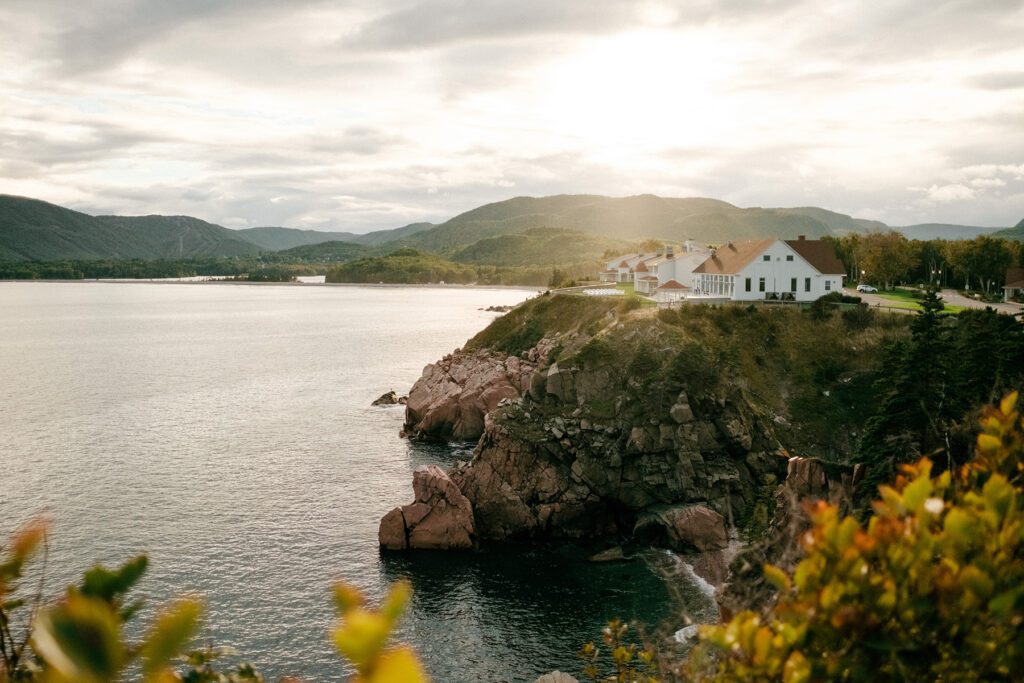
There are scenic drives, and then there’s the Cabot Trail – a ribbon of road that winds through the highlands of Cape Breton Island, located in the northeastern part of Nova Scotia. The Cabot Trail isn’t just a drive – it’s a journey through rhythm and roots.
Winding through the dramatic highlands and coastal cliffs of Cape Breton Island, the Cabot Trail is one of Canada’s most scenic drives. As autumn arrives, every curve of the 300-kilometre route is a visual feast. The hills ignite in shades of crimson, amber, and gold, as if the land itself is celebrating the season.
Cape Breton Island is a place where nature and culture are inseparable – where the wind carries tunes, and the cliffs echo with centuries of Celtic tradition. Villages along the trail will welcome you with warm hospitality, hand-crafted goods, fresh seafood and home-baked bread. Whether you’re hiking through Cape Breton Highlands National Park, listening to live music in a local pub, or simply watching the sun dip below the Gulf of St. Lawrence, Cape Breton invites you to slow down and be present in soulful moments.
Feature trip: Authentic Maritimes
Riding Mountain National Park, Manitoba – Prairie Meets Boreal Beauty
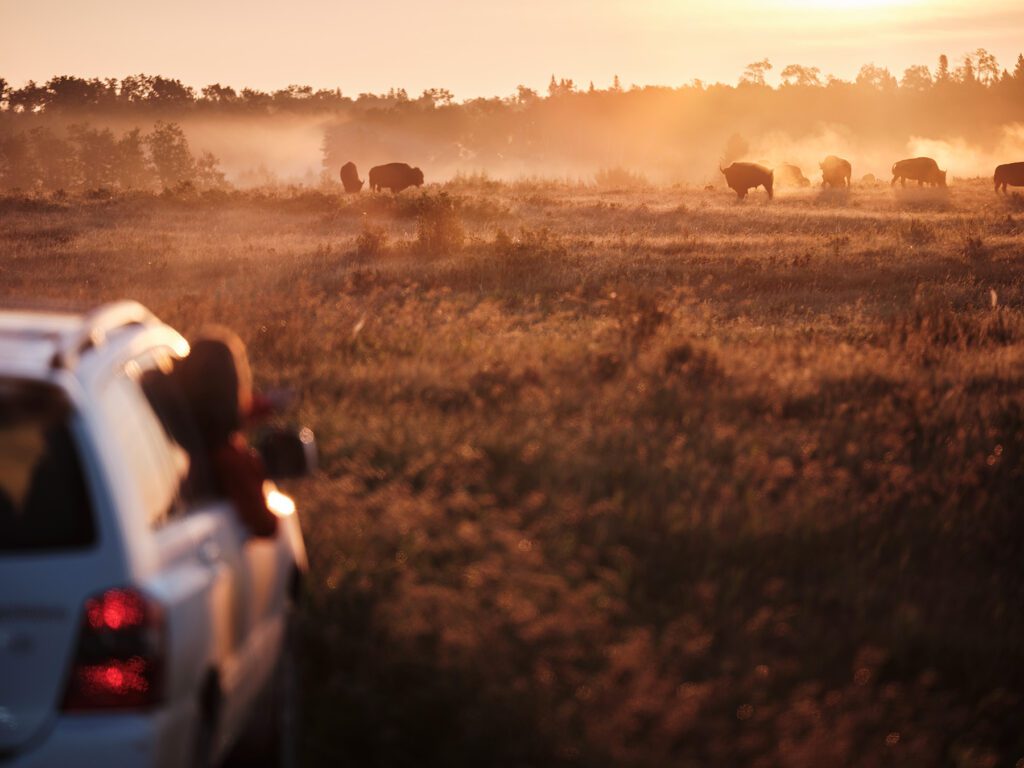
Nestled atop the Manitoba Escarpment, Riding Mountain National Park is one of the best lesser-known destinations in Canada. Spanning almost 3,000km² within Treaty 2 Territory, this protected wilderness offers a rare blend of biodiversity, cultural heritage, and immersive outdoor experiences.
At the heart of the park lies Wasagaming, a charming lakeside town on the shores of Clear Lake, known for its crystal-clear waters, boutique shops, and vibrant seasonal events.
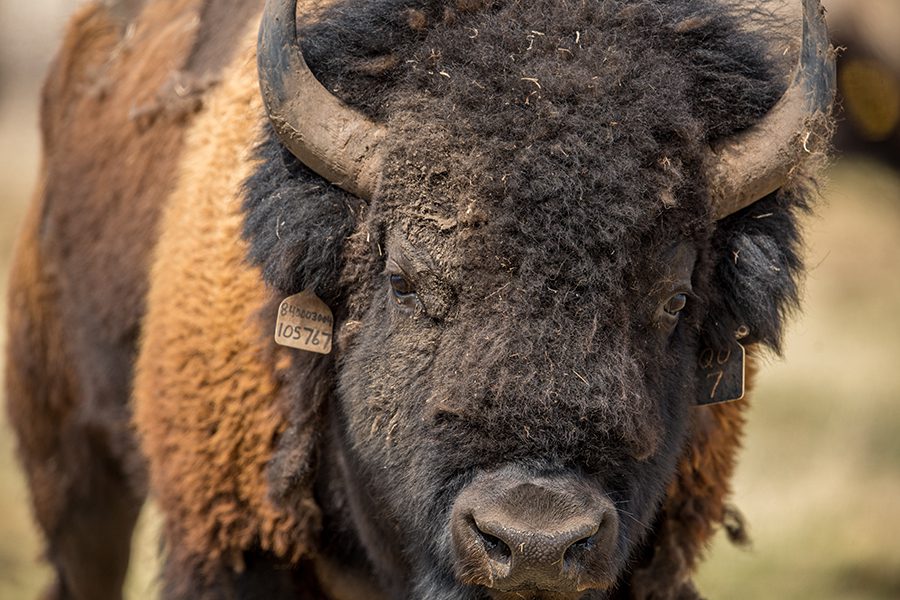
A visit to the Lake Audy Bison Enclosure reveals a thriving herd of approximately 40 bison. Here, you’ll learn about the bison’s historical significance to the region, their near-extinction, and the successful reintroduction efforts that make this encounter so meaningful.
An interpretive hike through Ominik Marsh offers a peaceful immersion into the park’s wetland ecosystem. Boardwalks wind through cattails and sedges, where you can observe birds, amphibians, and the subtle rhythms of this vital habitat.
Feature trip: Canada’s Big Five Safari
Gros Morne National Park, Newfoundland & Labrador – A Geological Wonder Without the Crowds
Tucked away on Newfoundland’s rugged west coast, Gros Morne National Park is a place where geology takes centre stage. As a UNESCO World Heritage Site, it showcases some of the world’s most accessible examples of tectonic plate movement, including exposed mantle rock and ancient fjords carved by glaciers. The park’s namesake mountain, Gros Morne, rises dramatically above the landscape, offering panoramic views for those willing to hike its challenging summit trail.
Gros Morne offers a deep connection to Newfoundland’s culture. In the evenings, join locals at a pub for live music or take part in a traditional “Kitchen Party”, where storytelling, laughter, and song fill the air. For a truly enriching experience, consider the Indigenous-guided Eastern Arm Evening Tour, where Mi’kmaq guides share stories of the land, seasonal plants, and wildlife.
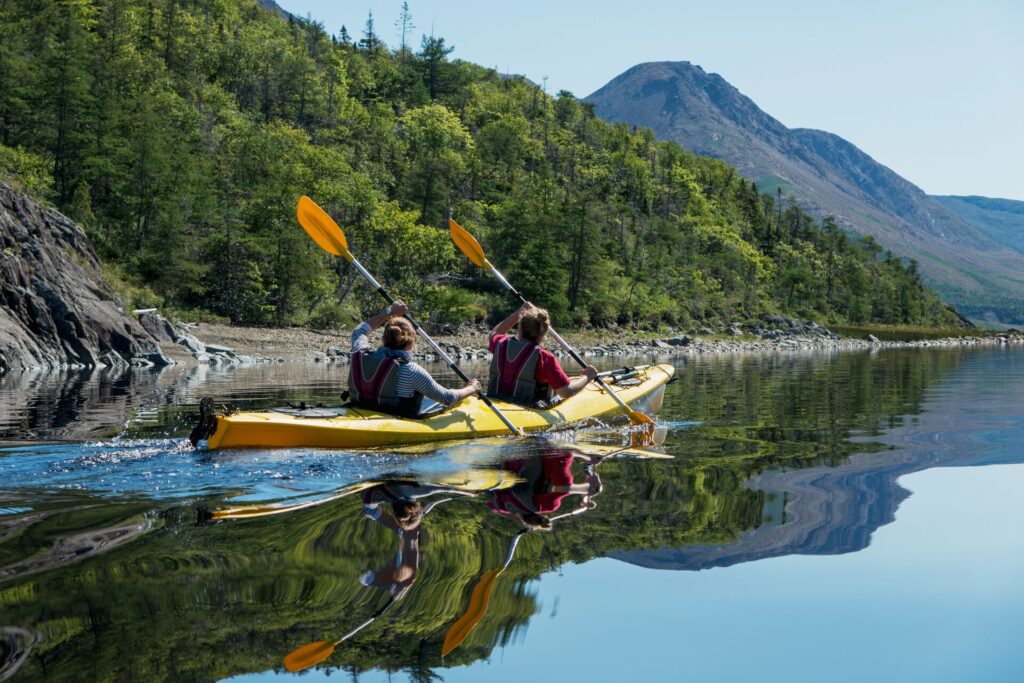
In the fishing village of Rocky Harbour, the seafood is fresh and the music traditional, while nearby Woody Point offers heritage architecture and local art galleries. Paddle a kayak through the still waters of Western Brook Pond, a landlocked fjord surrounded by sheer cliffs and waterfalls, or take a boat tour to learn about the park’s glacial history from local guides.
In shoulder seasons, the park is blissfully quiet. Autumn brings fiery colours to the forested valleys, while spring reveals carpets of wildflowers and active wildlife. Whether you’re hiking the Tablelands, birdwatching along coastal trails, or simply soaking in the serenity, Gros Morne offers a rare kind of escape—where Earth’s ancient story unfolds in silence and beauty.
Feature trip: Authentic Newfoundland
The Yukon – Northern Lights and Quiet Wilderness
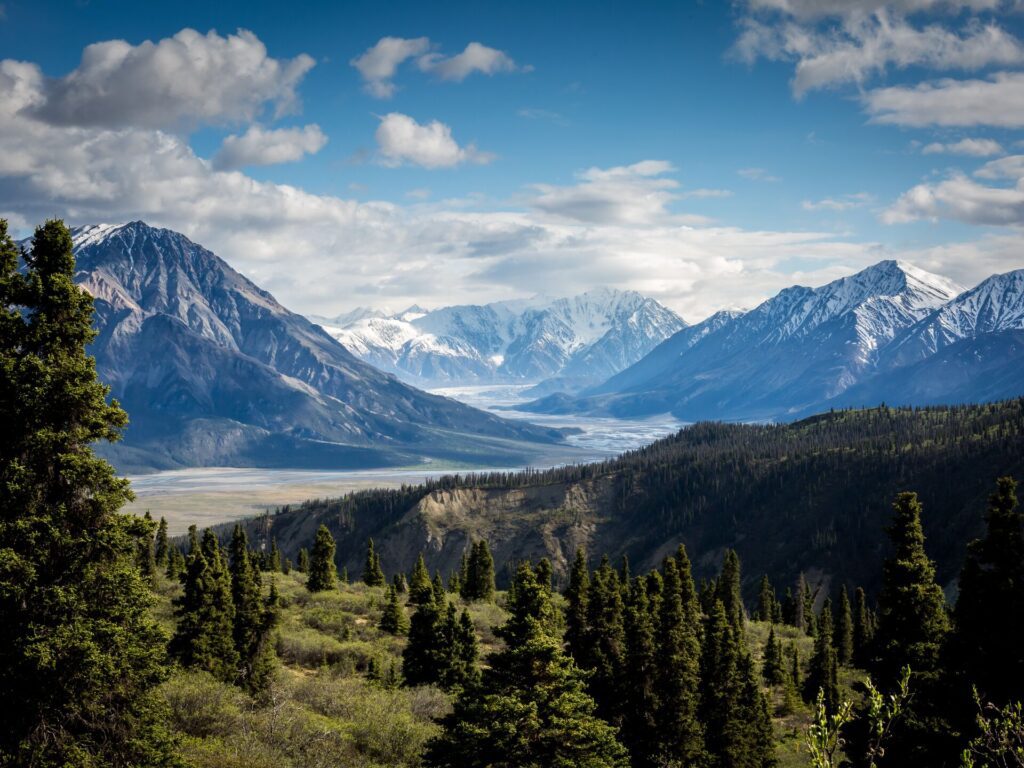
For those craving true wilderness, the Yukon delivers in spades. Vast, untamed, and deeply spiritual, this northern territory offers some of Canada’s most awe-inspiring experiences. Nature reigns and silence speaks. From the ethereal glow of the Aurora Borealis to glacier-fed rivers and alpine tundra, the Yukon is a place to connect with the land.
In winter, the Yukon transforms into a wonderland of snowshoeing, dogsledding, and Aurora viewing. You’ll learn to mush your own team of huskies and capture the northern lights with photography tips under star-filled skies. In summer, the wilderness comes alive with vibrant colours and long daylight hours. Paddle a canoe along the tranquil Yukon River, hike through Kluane National Park and take a flightseeing tour for a bird’s-eye view of glaciers and valleys few ever witness.
Whether you visit in autumn for crisp air and fiery tundra colours, or in spring when wildlife awakens and rivers swell, the Yukon promises a rare kind of adventure—quiet, wild, and unforgettable.
Algonquin Provincial Park, Ontario – Fiery Foliage and Serene Lakes
Algonquin Provincial Park is a Canadian classic, and for good reason. Located only a few hours from Toronto and Ottawa, it offers a wilderness escape that’s both accessible and immersive. In autumn, the park becomes a painter’s palette of fiery reds, oranges, and golds, as maple forests ignite with colour. Misty mornings give way to crisp afternoons, perfect for hiking scenic trails like Lookout Trail or Centennial Ridges, where panoramic views showcase the season’s brilliance.
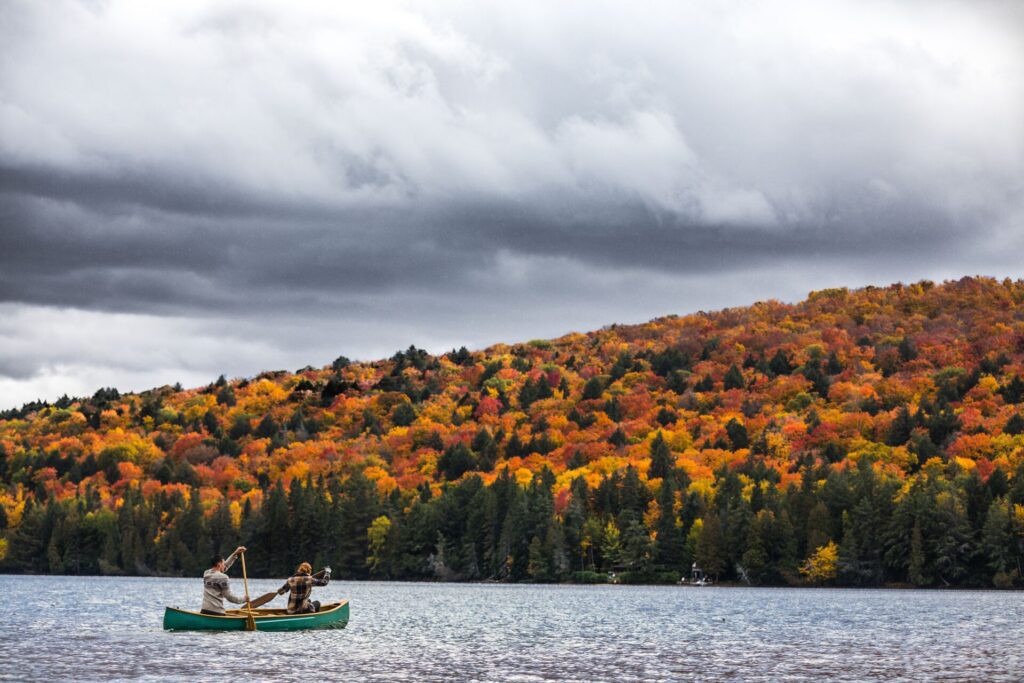
Spring brings a quieter kind of magic. As the snow melts, wildflowers bloom, rivers swell, and wildlife stirs—moose, beavers, and loons become active again. With fewer crowds, it’s an ideal time to paddle a canoe through quiet waterways like Canoe Lake or Smoke Lake, where the only sounds are your paddle and the call of a loon. The park’s extensive backcountry routes offer solitude for seasoned adventurers.
Feature trip: Ontario’s Heartland
Connecting with Indigenous Cultures
Understanding the Land Through Indigenous Perspectives
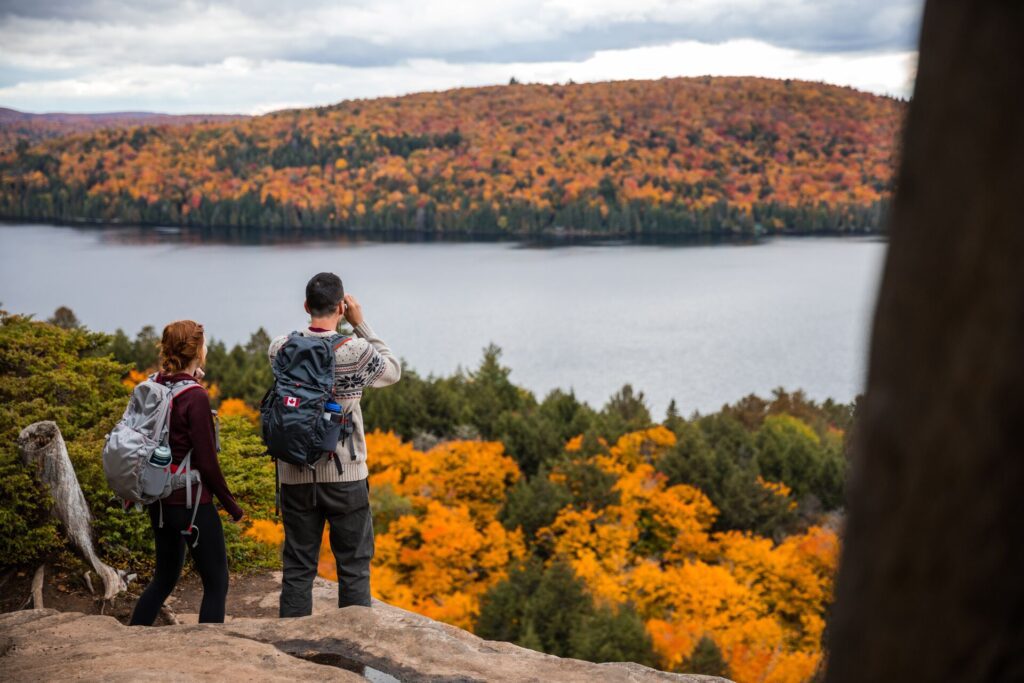
Canada’s landscapes are deeply tied to Indigenous histories. Travelling with Indigenous guides offers a rich, respectful understanding of the land—its stories, its spirit, and its stewardship. These experiences go beyond sightseeing and are one of the true hidden gems in Canada. They invite travellers to lean in, listen, learn, and connect with the living culture of the land.
From the Haida Nation in British Columbia, known for their intricate totem poles and ocean-based traditions, to the Mi’kmaq of Nova Scotia, who share stories rooted in the forest and sea, Indigenous communities across Canada are opening their doors through tourism. In the Yukon, Tr’ondëk Hwëch’in guides offer insight into the Gold Rush’s impact on their people, while in Manitoba, Métis and Cree hosts share knowledge of medicinal plants and seasonal cycles.
In the Arctic reaches of Canada, Inuit communities offer a profound connection to the north’s stark beauty and resilience. Learn about traditional practices like throat singing, soapstone carving, and qajaq (kayak) building. Explore the relationship between Inuit culture and the land—from ice fishing and dog sledding, to understanding the significance of the Aurora Borealis in Inuit cosmology. These experiences often take place in remote communities, where the rhythm of life is shaped by the seasons and the land itself.
Whether you’re walking ancestral trails, tasting traditional foods, or hearing creation stories passed down through generations, Indigenous-led travel offers a deeper way to experience Canada—one rooted in respect, reciprocity, and connection.
How to Travel Responsibly and Support Indigenous Tourism Initiatives
Travelling responsibly in Canada means more than leaving no trace. It means listening, learning, and actively seeking out and supporting Indigenous-led experiences. Indigenous tourism offers a chance to see the land through the eyes of its original stewards, whose deep-rooted knowledge and cultural practices shape a truly meaningful journey.
During Adventure World’s Trail of the Bison journey, explore Métis and Cree history across Manitoba, Alberta and Saskatchewan, connecting travellers with stories of resilience, land stewardship, and traditional knowledge.
Responsible travel also means being mindful of cultural protocols and asking questions respectfully. By choosing Indigenous-led tourism, you’re not just exploring Canada—you’re honouring its past, supporting its present, and helping shape a more inclusive future.
Feature trip: Trail of the Bison
Spring and Autumn in Canada – The Underrated Seasons
Autumn Foliage, Harvest Trails, and Fewer Crowds
Autumn is arguably Canada’s most photogenic season. From the Laurentians in Québec to the Rockies in Alberta, forests blaze with colour—fiery reds, golden yellows, and deep oranges. It’s a time when crisp air and quiet trails invite slow travel, scenic drives, and immersive hikes.
It’s also harvest season, making it perfect for tasting Canada’s bounty. Explore farm-to-table trails in Prince Edward County, Niagara, or the Okanagan Valley, where vineyards, orchards, and artisanal producers welcome you with their seasonal flavours. In smaller towns and rural communities, fall festivals celebrate everything from cranberry harvests to Indigenous food traditions. With fewer crowds and softer light, autumn offers a more intimate way to experience Canada.
Why Shoulder Season Travel is More Rewarding
While summer and winter often steal the spotlight, spring and autumn in Canada offer some of the most rewarding travel experiences. Spring brings renewal with blooming wildflowers, awakening wildlife, and longer days. While autumn dazzles with fiery foliage, crisp air, and peaceful trails.
Spring and autumn are Canada’s best-kept secrets. These shoulder seasons are ideal if you’re seeking fewer crowds and a deeper connection to Canada’s landscapes and cultures. Nature is at its most expressive – whether it’s spring’s renewal or autumn’s dramatic farewell. You’ll find festivals, wildlife activity, and stunning scenery without the summer rush or winter chill.
Spring Blooms, Wildlife, and Local Festivals
Spring in Canada is a time of renewal and beauty. Some of the best places to visit in Canada in spring include Vancouver for cherry blossoms, apple blossoms in the Annapolis Valley, and tulip festivals in Ottawa, where over a million blooms celebrate Canada’s historic ties with the Netherlands.
Wetlands and coastal areas come alive with migratory birds, making spring a prime season for birdwatching in Ontario or British Columbia. Wildlife emerges from hibernation, offering chances to spot black bears, moose, and beavers. In the Rockies, spring is calving season for elk and bighorn sheep, while in the Yukon and northern Manitoba, it’s a time of awakening for wolves and caribou.
Local festivals add colour and culture to the season. From maple syrup celebrations in Québec and Ontario to Indigenous art markets and seasonal storytelling gatherings, spring is a time to connect with communities and traditions. These events often feature local food, music, and crafts, offering travellers a deeper sense of place.
Exploring Ontario’s Small Towns and Nature Trails in Shoulder Season
Ontario shines in the shoulder seasons, when spring and autumn bring a quieter rhythm to travel. Charming small communities like Kingston, with its elegant 19th-century limestone architecture, and Gananoque, capture the soul of Ontario’s small-town hospitality. In Peterborough, the Canadian Canoe Museum pays tribute to this timeless vessel—once vital to life, trade, and travel across the province’s endless waterways.
Just a few hours north, Ottawa offers a capital experience rich in culture and outdoor adventure. Explore world-class national museums and galleries, stroll or cycle along more than 800 kilometres of scenic recreational pathways, and discover the UNESCO World Heritage-listed Rideau Canal—transformed seasonally from a summer boating haven to the world’s largest skating rink in winter.
These towns come alive with farmers’ markets, local festivals, and seasonal menus that celebrate Ontario’s harvest. Nature lovers will love Algonquin Provincial Park in spring and autumn. Trails are peaceful, wildlife is active, and the colours, whether the fresh greens of spring or the fiery reds of fall, are spectacular. Lakeside cottages in the Kawarthas region are the perfect place to unwind.
Whether you’re wandering through a maple forest, browsing a local gallery, or sipping cider at a roadside orchard, Ontario’s heartland offers a slower, richer kind of travel, full of surprises and seasonal beauty.
Feature trip: Ontario’s Heartland
FAQs About Rediscovering Canada
When is the best time to visit Canada for autumn colours?
Canada’s autumn foliage is a breathtaking spectacle, with peak colours typically appearing from mid-September to early October, though timing varies by region. One of the best places to visit in Canada in autumn is Ontario. Algonquin Park transforms into a canvas of crimson and gold, while Quebec’s Laurentians offer fiery hillsides dotted with charming villages. On the Cabot Trail in Nova Scotia, autumn brings dramatic coastal vistas framed by blazing forests—perfect for scenic drives and photography.
In the Rockies, especially around Banff and Lake Louise, the showstopper is the golden larch season. These unique deciduous conifers turn gold in late September. The best time to catch this golden glow is generally from mid-September to early October.
What are good trips for returning travellers?
Returning travellers often seek deeper, more immersive experiences. Consider the following Adventure World itineraries and be immersed in new, unique and Indigenous-led experiences. These itineraries offer unique experiences in Canada, a mix of nature, culture, and local flavour – perfect for rediscovery.
- Trail of the Bison – A journey through Métis and Cree history in Manitoba, Alberta and Saskatchewan.
- Road Trip to the Rockies – Explore Calgary’s urban charm and the surrounding natural wonders.
- Ontario’s Heartland – Discover small towns, pristine lakes, nature trails, and cultural gems in Ontario.
- Authentic Canadian Winter Wonderland – A winter journey through Banff, Jasper, Calgary, and the Yukon, featuring dog sledding, snowshoeing, and Indigenous constellation storytelling. Includes VIA Rail’s scenic snow train.
- Spirit Bears & First Nations Culture – Explore the Great Bear Rainforest in British Columbia with Indigenous guides.
How can I combine city stays with nature escapes?
Canada is the perfect destination for blending the urban and the wild. Cities like Calgary, Ottawa, and Victoria offer vibrant cultural scenes and easy access to nature. Stay in the city for a few days, then head out to nearby parks, lakes, or trails.
Are spring and autumn good seasons for wildlife viewing in Canada?
Spring brings awakening wildlife – bears emerging from winter hibernation, birds returning from migration, and moose calves appearing in wetlands. Autumn is rutting season for elk and moose, and a great time to spot animals preparing for winter. Parks like Riding Mountain, Algonquin, and Jasper offer excellent wildlife viewing in shoulder seasons.
Canada is more than the postcard moments you’ve already seen—it’s a country layered with stories, seasons, and soulful places waiting to be uncovered. Whether you’re drawn to Indigenous-led journeys, golden larch hikes in the Rockies, or quiet coastal escapes in the Maritimes, your next visit can be deeper, more personal, and more connected. Rediscover Canada not as a repeat destination, but as a renewed invitation to explore with fresh eyes and an open heart.
Plan your tailor-made Canada holiday
Inspired to explore Canada? Adventure World’s itineraries are a starting point for a journey tailored to your interests, travel dates and preferred pace. Explore our Canada itineraries, or call our Destination Specialists on 1300 363 055 (AU) or 0800 238 368 (NZ) to start planning.