
Recently updated on September 7th, 2026 at 03:11 am
As Colombian author Laura Restrepo wrote, “Every corner of Colombia is magical; every story conceivable exists there.” Wherever your travels take you in this vibrant South American country, you’ll find she has a point: with its colourful cities, rainforests, coffee-growing highlands, and Caribbean and Pacific coastlines, this destination over-delivers in wildlife, wilderness and culture. Get started with our ultimate Colombia travel guide and you’ll discover all the highlights to inspire a story or two of your own.
Why Visit Colombia? Discovering the Land of Diversity
Whether you’re ready to roll out your beach towel, caffeinate in style, enjoy a unique jungle jaunt or soak up the calidez (warmth) of the locals, Colombia offers it all and more. This biodiverse country covers 1,141,748km² in the northwest of South America, where it’s bordered by Panama, Venezuela, Brazil, Peru and Ecuador, with the Caribbean Sea to the north and the Pacific Ocean to the west, as you can see on this official map. In addition to Bogotá, the capital, the country is divided into 32 departments with landscapes ranging from the Andean highlands, Amazon rainforest and Orinoco plains to Pacific rainforest, Caribbean beaches, coffee-growing valleys and intriguing colonial towns. And while it’s home to nine UNESCO World Heritage sites and close to 10 per cent of the planet’s biodiversity, Colombia’s culture is equally multifaceted, reflecting its Indigenous, Afro-Colombian, Spanish and regional traditions. So, the reason to visit Colombia is simple: with so many destinations packed into one, there’s genuinely nowhere else like it.
Is It Safe to Travel to Colombia?
Colombia is far more welcoming and traveller-friendly than first-time visitors might expect, especially when your logistics and route have been thoughtfully pre-arranged. As with many destinations, petty crime can occur in major cities, demonstrations can take place with little notice, and some remote regions carry higher risks. And that’s why it pays to be insured and informed: keep an eye on Smartraveller and SafeTravel for current updates and see your GP for region-specific health advice before you go. Then, when you arrive, a common-sense approach will serve you well – stick to trusted, pre-booked transport, keep your valuables discreet, and avoid isolated areas after dark.
Best Time to Visit Colombia
Colombia’s worth exploring year-round, but the driest periods – from December to March and July to August – are usually the easiest for travel. As the Equator passes through southern Colombia, the weather varies more by altitude and region than by traditional seasons: Bogotá stays cooler because it’s in the high Andes, Medellín is famously mild, and Cartagena and the Caribbean coast are much warmer. Generally, the national average for the December-March period is around 20-24°C, with roughly 80-150mm of rain per month, while July-August can reach 30-34°C in some spots. These sunnier months are ideal for beaches, city adventures, festivals and the Coffee Region, though they also bring more visitors and higher demand around public holidays.
The rainy months fall from April to May and October to November, with rough national average temperatures around 28-29°C and rainfall rising to 250-400mm per month in the wetter regions (like the Andes, Amazon and Pacific coast). This is when Colombia feels especially lush, but keep in mind that downpours can affect rural roads, trails and low-lying areas, so you’ll need to stay flexible.
Our 10-day Authentic Colombia journey reveals the beating heart of Salento, the Coffee region, Bogota, Cartagena and beyond.
Top Places to Visit in Colombia
From the pulsing capital to wildlife-rich plains and rainforest-fringed beaches, these sites deserve a starring role in your itinerary.
Bogotá – The Capital’s Cultural and Historical Gems
Perched high in the Eastern Cordillera of the Andes at around 2,640m, Colombia’s capital is home to roughly 7.4 million people, boasting a moreish mix of charming colonial streets, bold modern buildings, lively neighbourhoods, world-class museums, bustling markets and dramatic mountain views. Be sure to visit La Candelaria, the historic heart of the city, and make time for the Botero and Gold museums (ask our Destination Specialists about taking part in a Coffee Baptism ritual in the latter), tour the Zapaquira Salt Cathedral and ride up Monserrate for sweeping views.
Villa de Leyva – Colonial Charm
Located in Boyacá, the whitewashed town of Villa de Leyva was established in 1572 during the Spanish colonial period, and its changed very little since then. Today its rustic churches, courtyards, museums and surrounding fossil-rich landscapes make a charming counterpoint to Bogotá’s frenetic city pace, less than three hours away. A memorable walking tour of this atmospheric site is included in Adventure World’s Authentic Colombia holiday.
The Coffee Region (Zona Cafetera) – Colombia’s Heartland
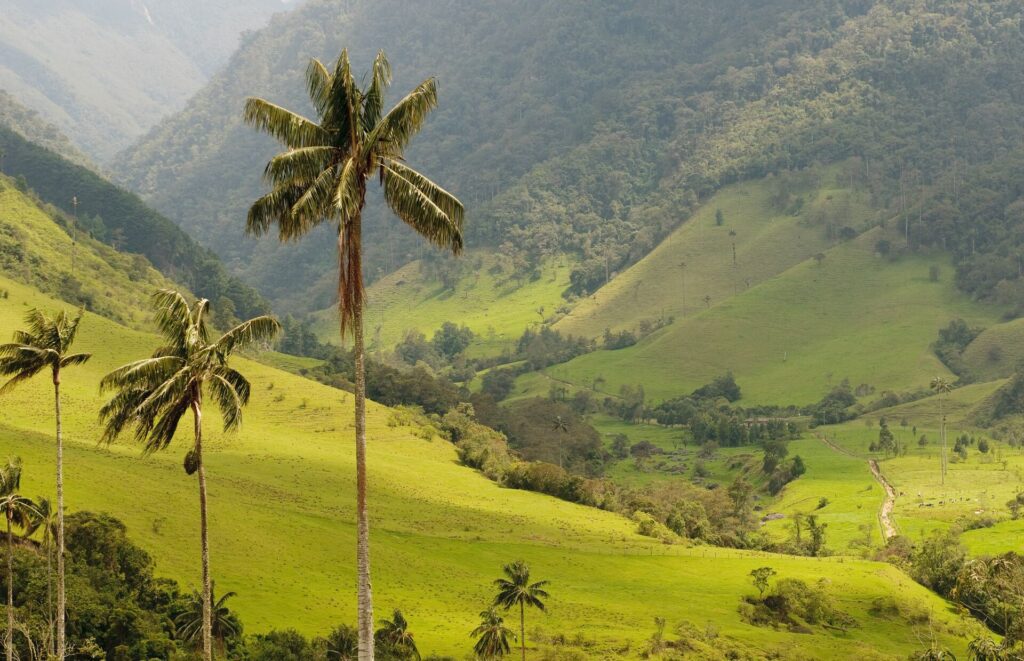
Across Colombia, coffee has a cultural life well beyond the brew – and the best place to explore that is in the UNESCO World Heritage-listed Coffee Cultural Landscape. Spanning parts of Caldas, Quindío, Risaralda and Valle del Cauca, this high-altitude region is characterised by its steep green hills, family-run farms and quaint mountain towns. Here, you can trace the bean-to-cup process from plantation to roast, visit working farms, and discover memorable sites like Salento, a colourful highland town that also serves as a gateway to the Cocora Valley.
Medellín – The City of Eternal Spring
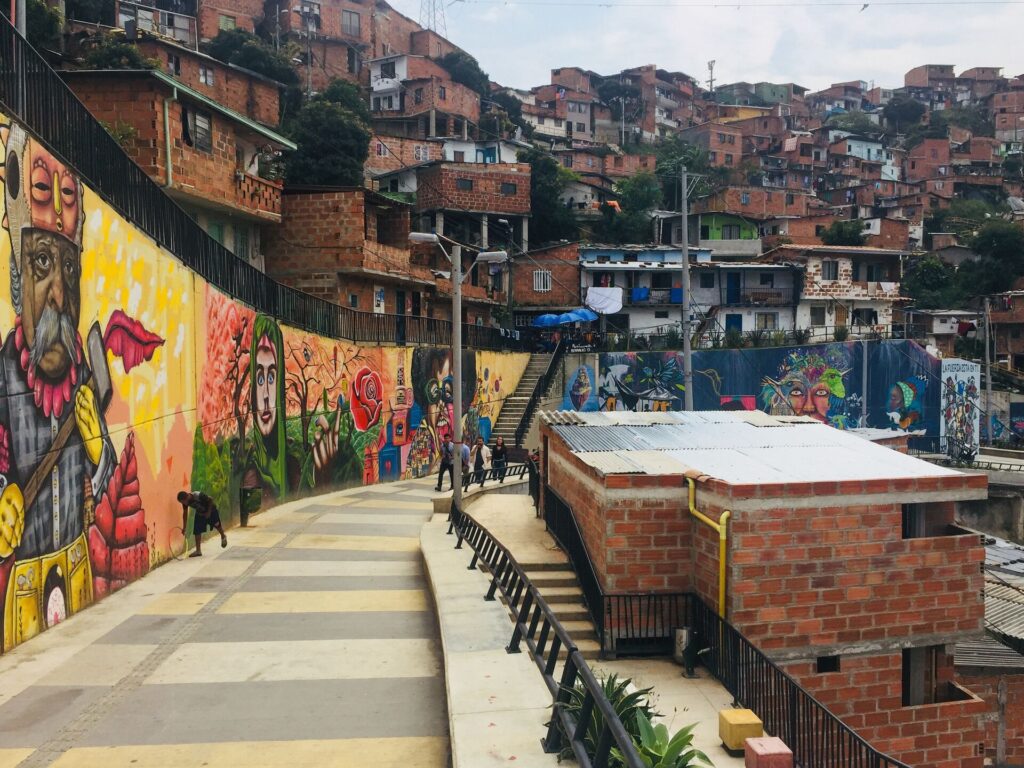
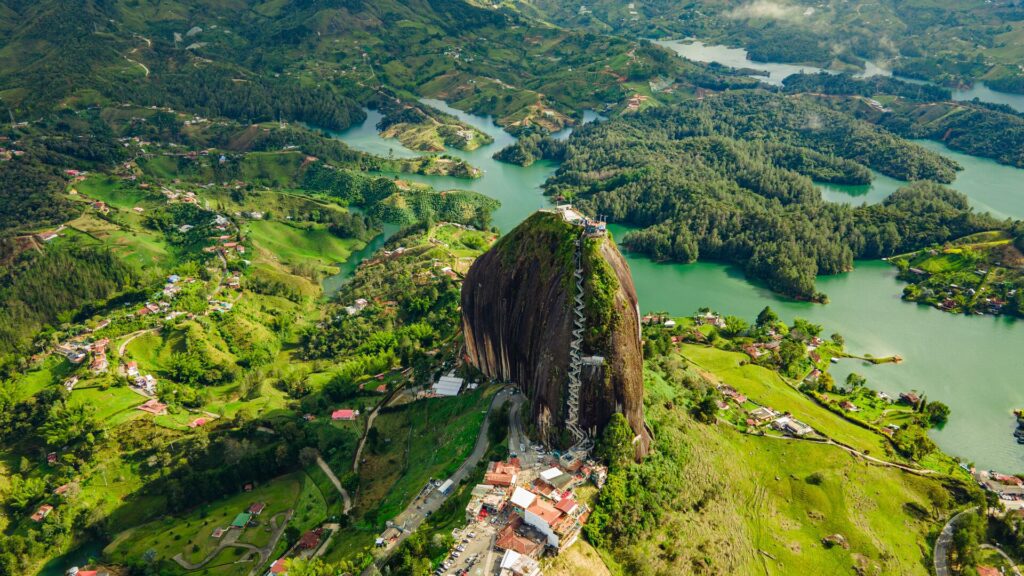
Set in the Aburrá Valley of the Andes, Colombia’s second-largest city is home to around 2.4 million people and known as the City of Eternal Spring due to its mild year-round climate. Its highlights include its steep hillside neighbourhoods, street art, community-led tours of Comuna 13, the green spaces of Moravia, a hitlist of museums and markets, as well as its easy access to Guatapé – a colourful lakeside town known for its enormous granite rock, El Peñol.
Yopal, Los Llanos and the Orinoco region – The Great Plains
Yopal is one of the main gateways to Los Llanos, Colombia’s vast eastern plains where llanero cowboy culture, sprawling savannahs, wildlife-rich wetlands and gallery forests meet the Orinoco River. The region is known for its llanero traditions and joropo music, but it’s also one of the country’s most exciting wildlife destinations, with giant anteaters, jaguars, anacondas, caimans, capybaras and a staggering array of birdlife thriving across the plains.
Tayrona National Natural Park – Beaches and Jungle Trails
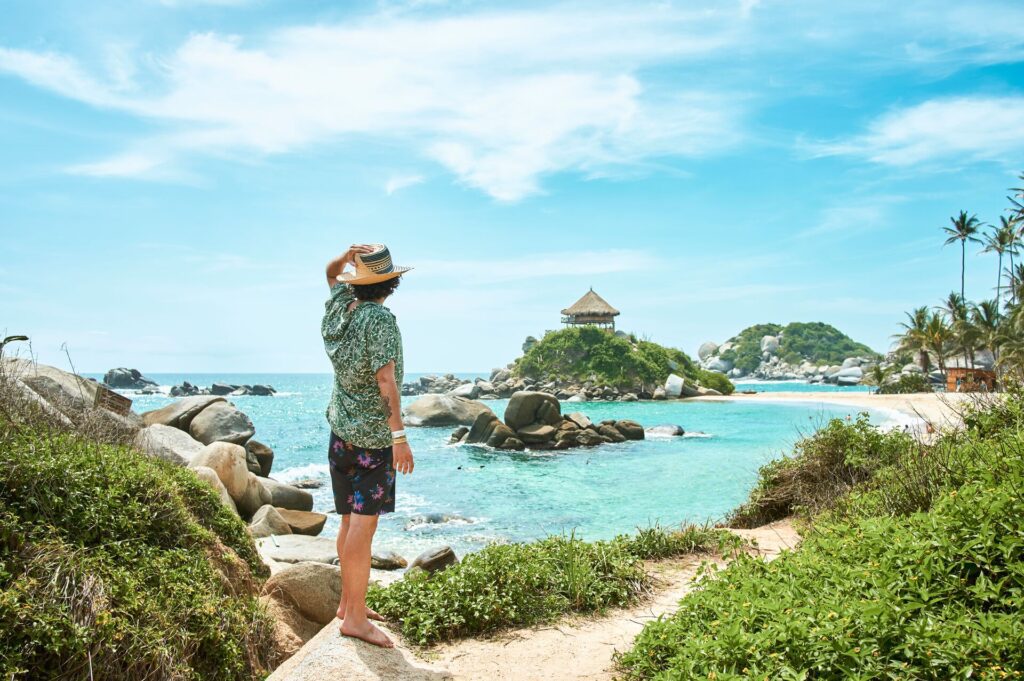
Part of the UNESCO-listed Sierra Nevada de Santa Marta Biosphere Reserve, this Caribbean hotspot protects around 15,000ha of land and sea, offering golden beaches, snorkel-friendly bays, jungle trails and cloud forests. Here, the headline experiences include hiking via Arrecifes to La Piscina, swimming among 180 fish species and marine turtles, and exploring forests alive with monkeys, reptiles and 400 types of birds.
Cartagena – Colourful Streets and Coastal Beauty
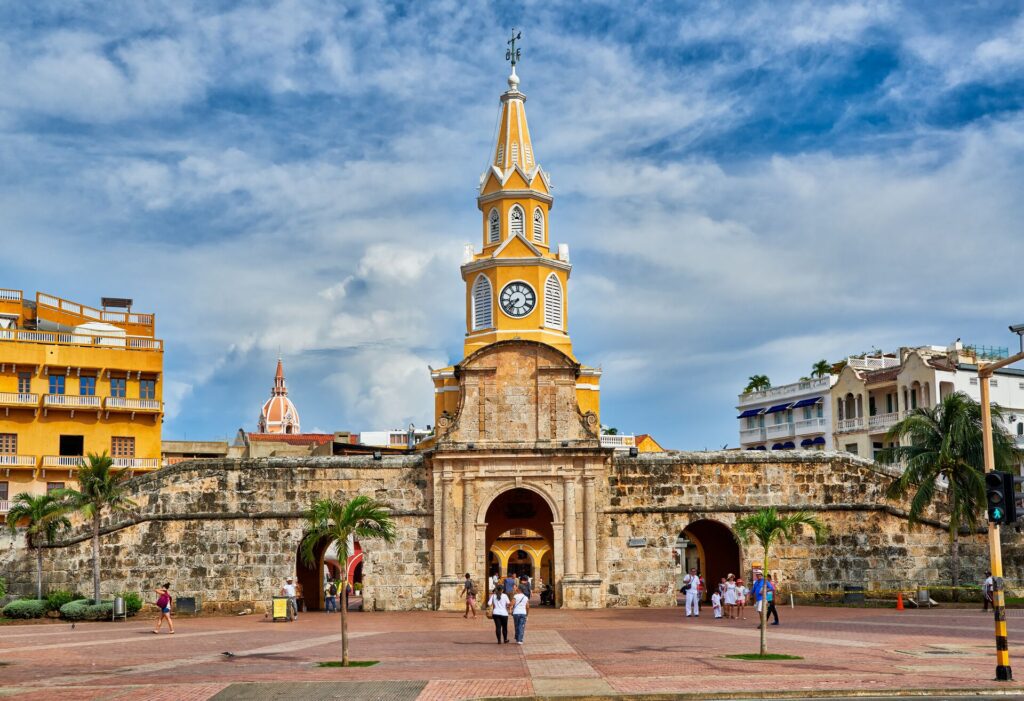
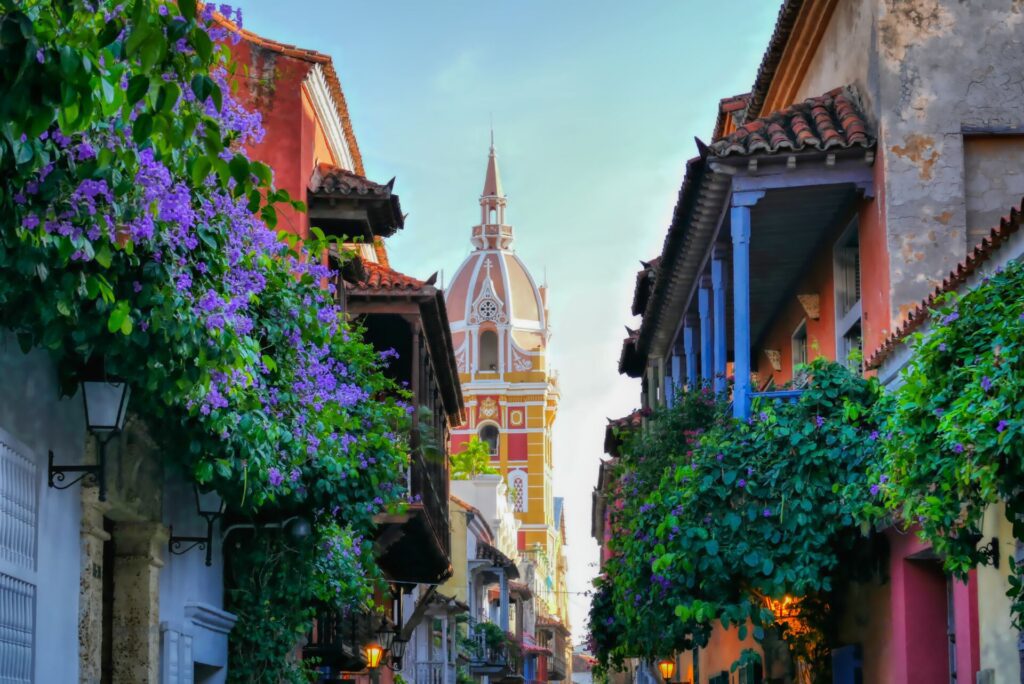
Also on Colombia’s Caribbean coast, Cartagena’s UNESCO World Heritage-listed port, fortresses and historic old town reflect its centuries as one of the most important fortified cities in the Spanish empire. The Castillo San Felipe de Barajas, built by the Spanish in 1536, remains one of its most impressive landmarks, while Mount La Popa affords expansive views over the walled city and the coast. Behind the old city’s stone ramparts, you’ll find cobbled streets, pulsing plazas, fruit-selling Palenqueras in bright traditional dress and a lively food culture shaped by Spanish, Afro-Caribbean and Indigenous influences. All this is an empanada’s throw from the picturesque Rosario Islands and Los Límites, where you can MAKE TRAVEL MATTER® for the critically endangered cotton-top tamarin during an exclusive experience with the Proyecto Tití conservation team.
The Rosario Islands – Tropical Island Escape
After mountains, cities, plains and rainforests, the Rosario Islands are another reminder of just how much Colombia manages to squeeze in. Just a 45-minute speedboat cruise from Cartagena, this scenic archipelago forms part of Corales del Rosario y de San Bernardo National Natural Park. Famous for its bright Caribbean seas, coral reefs, fresh seafood and a laidback tropical feel, this is the place to snorkel, swim and beachcomb on a day trip from the city, or spend a night or two on islands such as Isla Grande.
From MAKE TRAVEL MATTER® experiences that support endangered wildlife to fascinating city excursions, Adventure World’s Insider Colombia holiday uncovers the country’s hidden highlights far and wide.
Colombian Culture and Traditions
Music, Dance, and Festivals
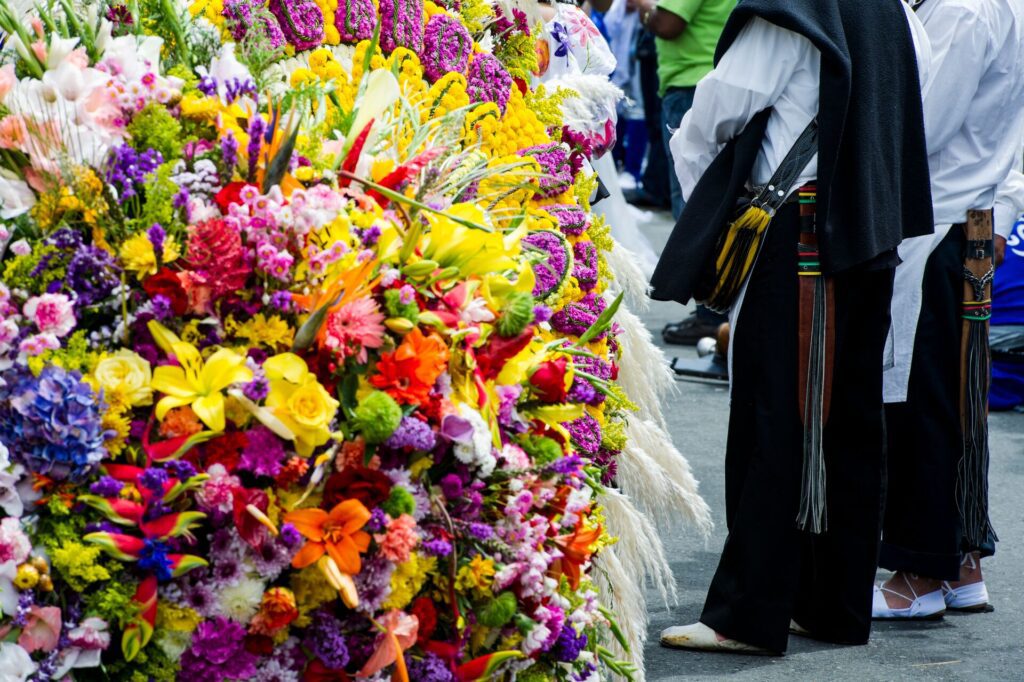
Colombia’s music changes with the terrain: cumbia and vallenato carry the heat and beat of the Caribbean coast; salsa dominates Cali; joropo music and dance belong to Los Llanos; while the Andean regions are moved by bambuco and carranga. Two of the country’s most significant celebrations are UNESCO-listed as Intangible Cultural Heritage of Humanity: Barranquilla Carnival (Feb/Mar) is a major Caribbean celebration of music, dance, costumes and parade traditions, while the Black and White Carnival in Pasto (Dec/Jan) celebrates creativity and the region’s Indigenous, African and Hispanic influences. Other major annual festivals include the Vallenato Legend Festival in Valledupar (Apr), Medellín’s Flower Festival (Aug) and the Cali Fair (Dec).
Indigenous and Afro-Colombian Heritage
Colombian society is a living celebration of Indigenous communities, Afro-Colombian heritage, Spanish colonial history and regional identities, with 115 Indigenous cultures recognised across the country. You can experience this intricate heritage respectfully in places such as the Amazon, the Sierra Nevada de Santa Marta, Silvia in Cauca and San Basilio de Palenque, a UNESCO-listed Intangible Cultural Heritage site near Cartagena, founded as a refuge by Africans who escaped colonial slavery in the 17th Century.
Colombian Cuisine and Must-Try Dishes
The national cuisine is as deliciously varied as the land it nourishes, shaped by tropical produce, Caribbean seafood, Andean staples, street-food favourites and coffee widely described as the best in the world.
Arepas, Empanadas, and Street Food Favourites
Some of Colombia’s tastiest everyday bites are handheld. Arepas are corn cakes that can be grilled, fried, split, stuffed, topped with cheese or served alongside a meal, while local empanadas are usually fried until crisp, filled with beef, chicken, potato or rice, and served with ají, a punchy chilli sauce. You’ll find them everywhere from market stalls and bakeries to street carts and casual restaurants, alongside other favourites like buñuelos, pandebono, tamales, patacones and fish dishes. Bogotá, Medellín and Cartagena all have well-established foodie scenes, from traditional markets and neighbourhood eateries to polished restaurants. Want to congratulate the cook? Saying “Mis felicitaciones al chef” – my compliments to the chef – will serve you well.
Colombian Coffee – A National Treasure
Colombian coffee is lauded for its smooth, aromatic Arabica beans, but its significance goes well beyond flavour: roughly half a million families make their living from coffee production. The best place to understand that legacy is in the UNESCO World Heritage-listed Coffee Cultural Landscape, but coffee culture is just as vibrant in city cafés and local chains such as Juan Valdez, which was created by Colombia’s National Federation of Coffee Growers. Regional flavours vary with altitude, climate and processing, so grabbing a cuppa is less about a quick caffeine hit and more about sampling one of Colombia’s most important cultural hallmarks.
Outdoor Adventures in Colombia
Fancy going wild? Get started with these must-do activities.
MAKE TRAVEL MATTER® for Cotton-top Tamarins
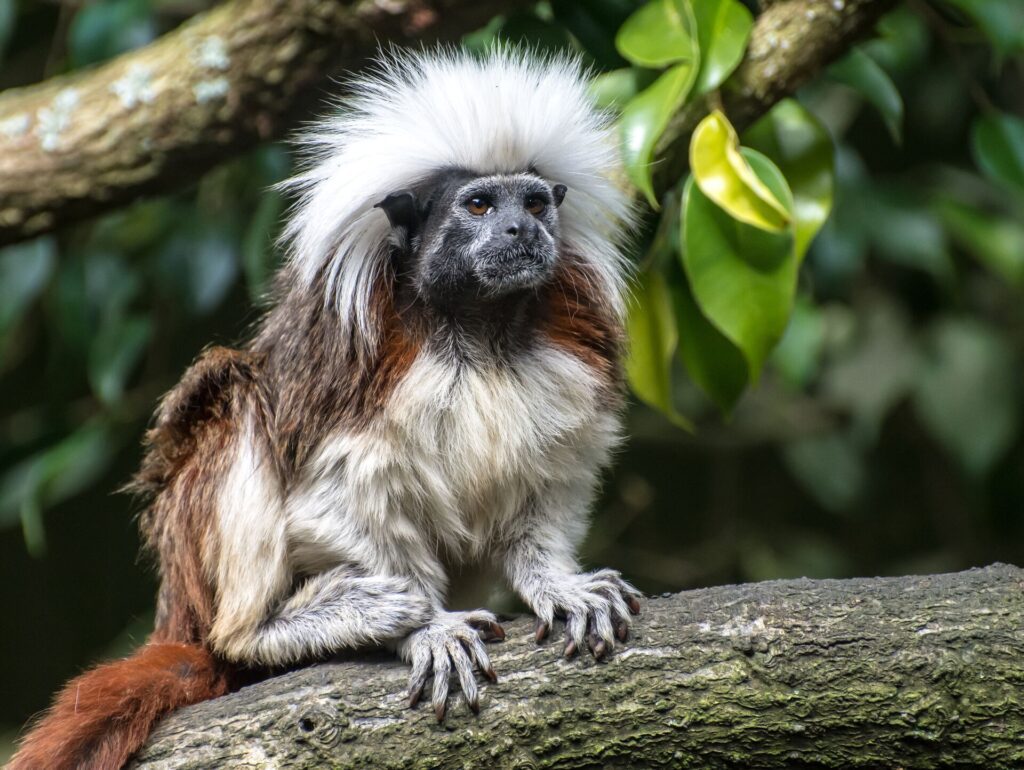
As part of Adventure World’s fully customisable Colombia holidays, you’ll enjoy a day trip to Los Límites, near Cartagena, for an exclusive MAKE TRAVEL MATTER® experience with the Proyecto Tití team. With fewer than 7,500 thought to remain in the wild, the cotton-top tamarin is a critically endangered primate found only in the country’s north – and this uplifting wildlife experience takes you into the field with researchers to track them and learn about efforts to protect them.
Hiking in the Andes
Bushwalking in the Colombian Andes covers three key ranges – the Cordillera Occidental, Cordillera Central and Cordillera Oriental – so you have a choice of terrains, altitudes and degrees of difficulty. Around the Coffee Region in the Cordillera Central, you can hike through the Cocora Valley near Salento, trek towards Laguna del Otún from Pereira, or explore Los Nevados National Natural Park, where volcanic peaks rise above 5,000m. Further west, the Cordillera Occidental runs between the Cauca Valley and the Pacific slope, while the Cordillera Oriental takes in the highlands around Bogotá and Boyacá, where you can take your pick of accessible day hikes and demanding guided routes.
Amazon Rainforest Expeditions
In southern Colombia, the Amazon is usually accessed via Leticia. From there, you’ll have access to rainforest trails, river communities and protected areas like Amacayacu National Natural Park, home to 860 bird species, 140 amphibians, 85 mammals, 147 reptiles and 6,800 plant species. As part of the vast Amazon biome, this region also plays a critical role in storing carbon, regulating rainfall and supporting one of Earth’s richest biological reservoirs. Allow a few days for river experiences, wildlife watching and authentic cultural encounters. Keen to explore the Amazon further afield? Check out our essential travel guide to the Amazon Rainforest – covering where to go, what to see, and how to MAKE TRAVEL MATTER® in Brazil, Peru and Ecuador.
Wildlife Watching in Los Llanos
With more than 600 bird species, giant anteaters, jaguars, capybaras, caimans, anacondas and monkeys, Los Llanos is one of Colombia’s great wildlife-watching destinations. Adventure World’s Insider Colombia journey takes you to Yopal and Savanna Orinoquia Lodge, where you’ll venture deep into savannahs, wetlands, palm groves and gallery forests to find the creatures that make this wilderness hum. Immersive activities here include nature walks with expert guides, learning about local conservation challenges, and taking part in a MAKE TRAVEL MATTER® experience with the Palmarito Foundation, helping release freshwater turtles back into their natural habitat.
Discover the very best of the Caribbean coast, countryside and colonial hotspots on our 8-day Authentic Medellin to Tayrona National Park holiday.
Essential Travel Tips for Colombia
Here, a few practicalities to consider. For everything else, Adventure World’s Destination Specialists can help fine-tune the details before you go.
Getting Around
The simplest, most rewarding way to visit Colombia is on a fully customisable Adventure World holiday, where transport between locations is pre-arranged. Colombia is vast, mountainous and not always straightforward by road, so flying between major regions is the simplest way to make the most of your time. Bogotá, Medellín, Cartagena, Cali, Pereira, Armenia, Santa Marta, Yopal and Leticia are among the main air gateways for the places covered in this guide. For current visa requirements, keep an eye on Smartraveller and SafeTravel. At the time of writing, Australian passport holders visiting for tourism for 90 days or less generally don’t need a visa, but entry conditions and requirements can change at short notice.
Language and Communication
Spanish is Colombia’s official language, and while English is spoken in some hotels, airports, and more tourist-friendly venues in the cities, you can’t rely on that everywhere. Learning a few basics will go a long way: por favor for please, gracias for thank you, and disculpe for excuse me. Mobile coverage is generally good in major cities and towns, but it can become patchy (at best) in areas outside of those, so be sure to download any maps, translation tools, insurance details and key travel documents before you venture into remote areas.
Safety and Health
Well before you travel, see your GP for health advice tailored to the regions you plan to visit, along with any personal medications. If you’re planning to explore beyond the cities – and you most certainly should – you may require vaccination or protection against yellow fever, malaria, dengue, Zika and chikungunya. Keep checking Smartraveller and SafeTravel for current health warnings and ensure your travel insurance covers the places and activities included on your itinerary.
Packing Advice for Colombia
The right way is the light way – but you’ll need to pack for several climates rather than one country (think: light, breathable clothing for Cartagena, the Rosario Islands and lowland jungle; warmer layers for Bogotá and the Andes; and comfortable layers plus a light rain jacket for the Coffee Region’s mild, changeable conditions). Sunglasses, sunscreen, insect repellent, a hat, reusable water bottle, comfortable walking shoes and hiking boots will all earn their keep, while long sleeves and neutral colours are your best bet for wilderness and wildlife experiences. A dressier casual outfit for evenings out in Bogotá, Medellín and Cartagena will also come in handy. Be aware that domestic flights may have stricter luggage limits than your international sectors. Whatever you bring, just make sure there’s room for a sense of adventure – because unique Colombia rewards your curiosity at every turn.
Book your ultimate Colombia adventure today
Adventure World’s authentic, customisable tours of Colombia are a true immersion in culture and nature. Discover our full range of South America itineraries online, or call our Destination Specialists on 1300 363 055 (AU) 0800 238 368 (NZ) to plan your very own tailormade holiday.