
Recently updated on October 1st, 2026 at 02:17 am
If you’re wondering… when is the best time to travel to Egypt… the short answer is: October to April. That’s when daytime temperatures are comfortable for exploring ancient outdoor sites, cruising the Nile, and wandering souqs without waning in the heat. But the longer answer depends on what you want to do. Are you looking to dive in the Red Sea, cruise past temples, photograph the Sahara at golden hour, or soak up festive vibes?
This guide includes seasonal advice that breaks down Egypt’s climate by season, the best time by experience, and a month-by-month timeline so you can match your Egypt holiday to your travel style.
Overview of Egypt’s Climate and Seasons
Egypt is predominantly desert, with a hot, dry climate and very little rainfall. You should expect large day to night temperature swings, especially in the desert. Here’s a seasonal picture:
- Winter (December-February): Cooler days (18-23°C in Cairo/Luxor), chilly nights (8-12°C), very pleasant for sightseeing and cruising. Diving is still available in the Red Sea, though cooler waters and winds can make it feel a little chilly.
- Spring (March-May): Temperatures are warming up. This is a great time to explore temples and cruise the Nile. However, hot, dry winds that can bring sandstorms in March and April. Temperatures start to climb through the 20s into low 30s by May.
- Summer (June-August): Hot to extremely hot, especially in Upper Egypt (Luxor/Aswan) where 40°C+ is common. The coast (Hurghada, Sharm el‑Sheikh) is more tolerable thanks to sea breezes; water is warm and visibility is excellent for divers.
- Autumn (September-November): This is the peak travel season with the best weather. The heat eases and conditions are superb for Nile cruising, desert adventures, and sightseeing. The Red Sea remains warm and clear for diving.
Egypt generally has low humidity in its inland regions, including Cairo and Upper Egypt, while coastal areas such as Alexandria and the Red Sea resorts experience higher levels of moisture in the air. Rainfall is minimal across the country; Alexandria receives occasional winter showers, whereas Cairo rarely sees rain. With abundant sunlight hours throughout the year, Egypt offers long, bright days ideal for sightseeing, outdoor adventures, and photography.
Best Time to Visit Egypt by Experience
Egypt’s seasons shape each travel experience differently, from the comfort of city touring to the magic of temple visits and cruising the Nile. Below, you’ll find the ideal months for each type of experience.
Best Time for Sightseeing and Ancient Monuments
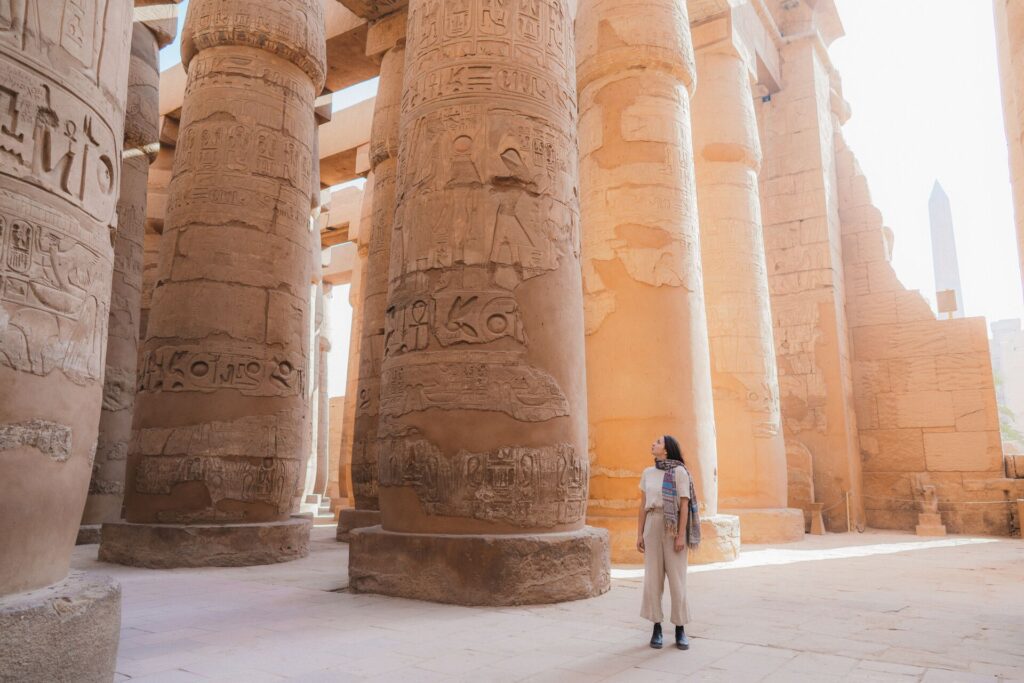
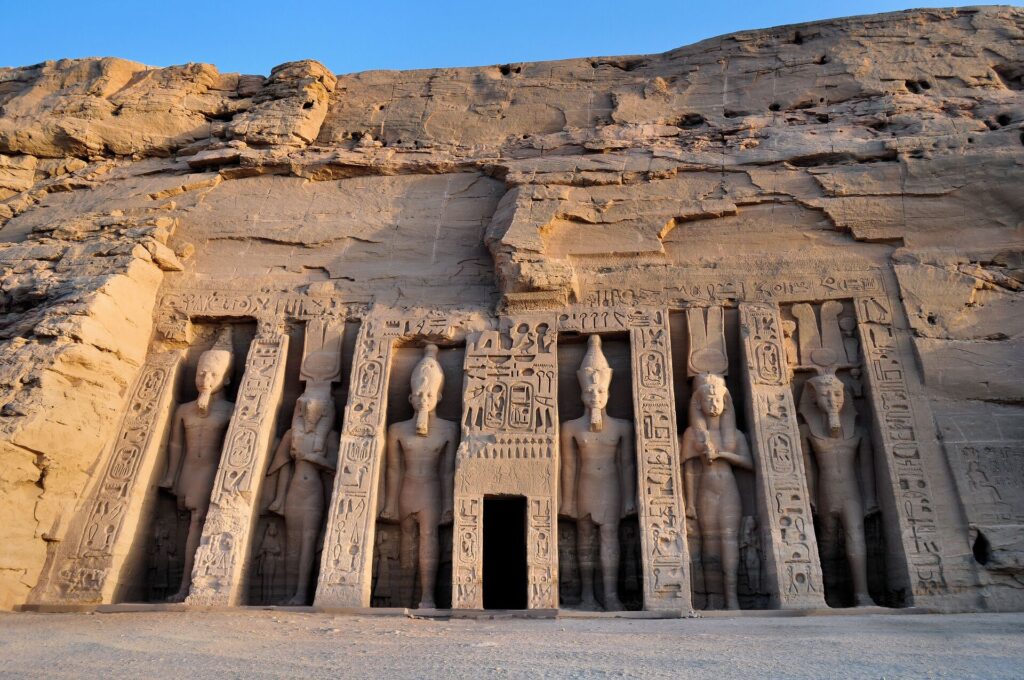
The best time to visit Egypt’s archaeological treasures is from October to April, when cooler temperatures make exploring Cairo, Giza, Saqqara, Luxor, and Aswan far more comfortable. Explore the Great Pyramids, the Sphinx and Abu Simbel, and take your time at magnificent sites like Karnak and Philae without battling intense heat.
Adventure World Tip: Expect crowds at this time of year, so plan ahead due to peak season. To make the most of your days, aim to visit temples early when they open, or return at sunset when temperatures drop and the light becomes especially beautiful. If you’re exploring Egypt’s ancient sites between June and August, temperatures often exceed 40°C. Touring is still possible, but requires early starts, long midday breaks, and constant hydration.
Best Time for Diving and Red Sea Resorts
For Sharm el-Sheikh, Hurghada, Marsa Alam, and Dahab:
- Best overall: April to June and September to November is the time of warm water, great visibility, and comfortable air temperatures.
- Summer (July-August): Excellent visibility and very warm water; the heat on land can be intense but is usually eased by coastal breezes.
- Winter (December-February): Quieter and more affordable, though the water is cooler (a 5–7mm wetsuit is useful) and winds can be stronger.
Marine life is impressive year-round, with liveaboards visiting iconic sites such as Ras Mohammed, the Brothers, Daedalus and Elphinstone. Snorkellers and non-divers will also enjoy easy access to house reefs and well-equipped resort facilities.
Best Time to Visit for Desert Adventures
October to April is the ideal window for desert adventures, with mild daytime temperatures and crisp, star-filled nights that make camping and astro-photography especially rewarding. Conditions are comfortable for long drives, dune walks and multi-day treks, and the cooler air brings out that iconic desert clarity and colour.
Summer is extremely challenging in the desert. Daytime temperatures can soar well beyond safe limits, so travel during June to August should only be attempted with experienced operators who follow strict heat-safety protocols. Desert nights can be surprisingly cold, sometimes dropping to near freezing. Pack warm layers, a beanie, and a proper jacket so you can enjoy the night skies without the chill cutting your experience short.
Visiting During Ramadan – What to Expect
Ramadan moves roughly 10-11 days earlier each year, following the lunar calendar. During this period:
- Cafés and restaurants may open later, and alcohol service will be limited.
- Tourist sites remain open, though opening hours may shift slightly.
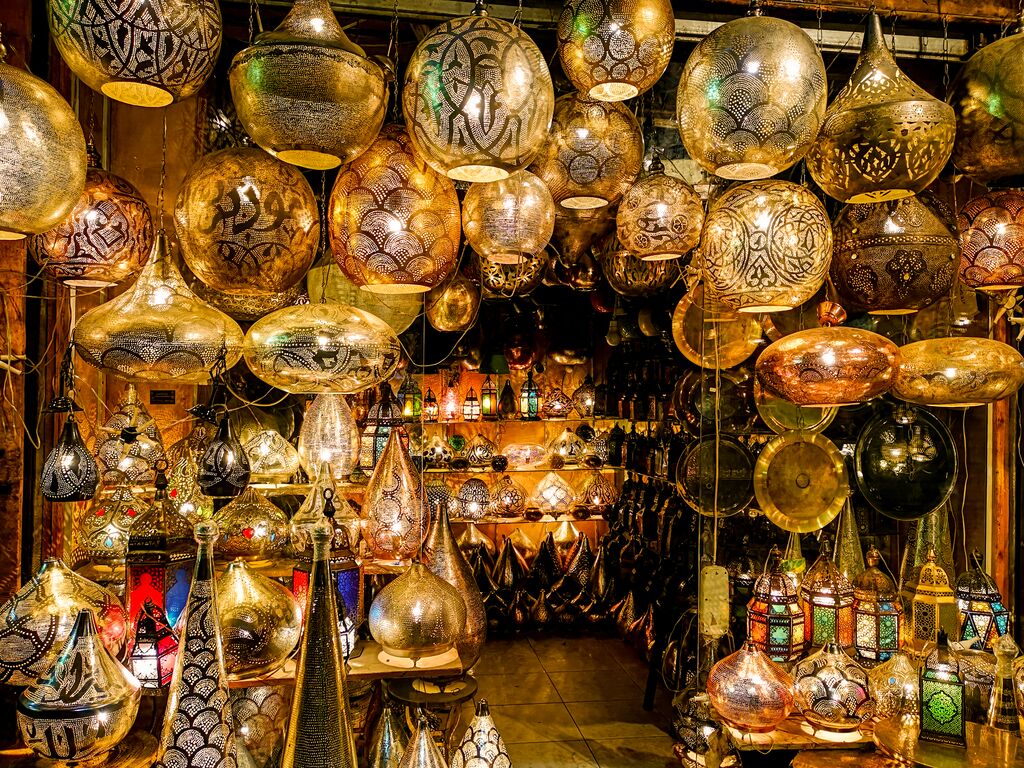
- Evenings are vibrant, with families gathering for Iftar (the meal that breaks the fast), streets are lit up with decorative lanterns, and bakeries are filled with special Ramadan sweets.
- Respectful etiquette includes avoiding eating or drinking in public during daylight hours, dressing modestly, and allowing for a gentler, slower daytime pace.
For travellers to Egypt, Ramadan adds a fascinating cultural dimension to a trip; for others, it may introduce challenges around daytime dining and planning. If you’re flexible, open-minded, and curious, it’s a uniquely rewarding time to visit.
Egypt Month-by-Month Travel Guide
January
Weather: Cool and crisp in Cairo around 18-20°C, Luxor/Aswan a touch warmer; chilly nights.
Why go: Peak season for temples, museums, and Nile River cruising without heat stress. The Red Sea is quieter and good value but make sure you bring a thicker wetsuit.
Adventure World Tip: January is the height of the peak season, so expect crowds at popular sites and longer queues.
February
Weather: Like January, warming up slightly later in the month.
Why go: Ideal for photography with soft winter light and clear skies.
Highlight: Abu Simbel Sun Festival (approximately 22 February), when sunlight illuminates the temple’s inner sanctuary. This is a spectacular cultural moment, but a very busy time.
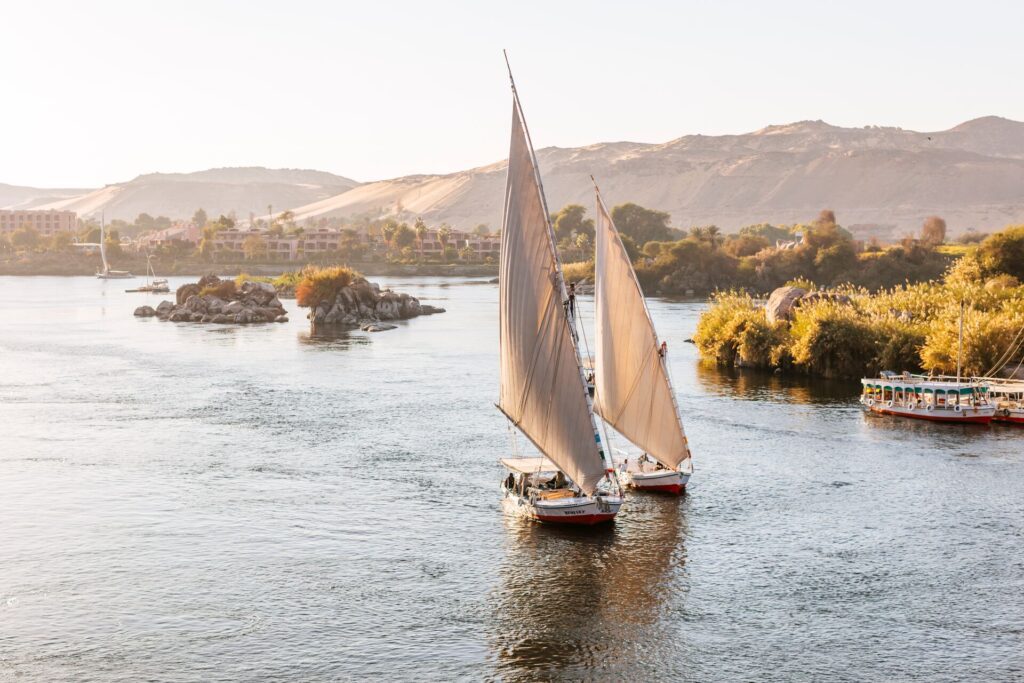
Adventure World Tip: Pack a warm jumper for dawn temple starts and breezy felucca rides.
March
Weather: Pleasant days, cool nights; occasional Khamasin winds may bring dust storms.
Why go: Great for Nile River cruises and Cairo before the late-spring heat.
Diving: Conditions improving; water warming gradually.
Adventure World Tip: Bring sunglasses and a scarf/buff for windy/dust days.
April
Weather: Warm and bright, still comfortable inland, expect daytime highs between 25-30℃.
Why go: Best month for the Nile, Luxor/Aswan, desert camping, and diving in the Red Sea.
May
Weather: Hotter temperatures across Egypt with afternoons reaching low to mid‑30s.
Why go: Shoulder season value with manageable heat; great for diving (warmer water, fewer winds).
Adventure World Tip: Early starts, long lunches, sunset touring.
June
Weather: Hot inland (38-42°C), coastal breezes cool off areas around the Red Sea.
Why go: Divers and resort lovers thrive in the long days and warm seas.
Sightseeing: Possible with careful pacing; consider more time at museums and shaded sites.
July
Weather: Peak heat inland; The Red Sea is in its element with bath‑warm water and top visibility.
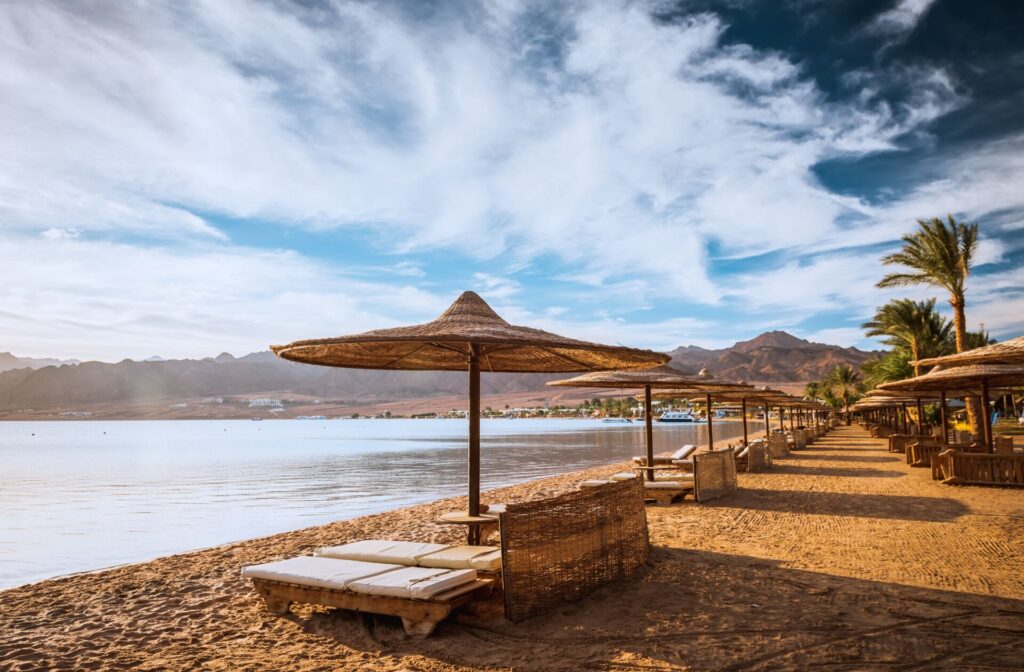
Why go: Red Sea holidays for snorkelling, diving, kite/windsurfing.
Avoid: Desert touring, outdoor tomb and temple explorations in the middle of the day.
August
Weather: Like July, sometimes the hottest month of the year.
Why go: Resort time; mix morning dives with lazy afternoons.
Cultural travel: Possible with planning and early morning touring schedules (first light touring).
September
Weather: Heat begins to ease, especially later in the month.
Why go: Excellent shoulder season for Nile River cruises and temples with fewer crowds than October.
Diving: Still excellent.
October
Weather: Near-perfect: warm days and comfortable nights.
Why go: Peak season for everything – pyramids, Nile River cruising, desert, and Red Sea.
Crowds: Popular time to travel to Egypt so book guides, domestic flights, and cruises early.
November
Weather: Mild to warm; ideal for long touring days.
Why go: One of the best months to travel to Egypt.
Diving: Water remains warm; winds typically lighter than mid‑winter.
Photography: Golden hours are gorgeous; bring a tripod.
December
Weather: Cool and dry; nights are crisp so pack layers.
Why go: Festive travel meets comfortable sightseeing.
Red Sea: Calmer vibe, with cool waters but still diveable.
Summary: Choosing the Ideal Time for Your Egypt Trip
If you’re deciding when the best time is to travel to Egypt for you, anchor your plans to your priorities:
- First‑timers focused on ancient Egypt: Travel between October and April for cooler, comfortable touring. October and November or February to April provide good weather and less crowds.
- Nile River cruise lovers: October to April is the perfect time for Nile River cruising. September and May suit those who like warmth and fewer people.
- Divers and resort-relaxers: April to June and September to November are the sweet spots; July and August if you love hot air and bath‑warm seas.
- Desert photographers and campers: The ideal time is from October to April, but ensure you have extra warm layers for chilly nights.
- Curious cultural travellers open to Ramadan: Go during Ramadan for magical evenings and a slower daytime rhythm.
Recommended Itinerary: Authentic Egypt with Adventure World
Authentic Egypt is a 10-day trip highlighting the country’s most iconic ancient sites, vibrant cities, and life along the Nile. The itinerary begins in Cairo/Giza, where you’ll visit the Great Pyramids, the Sphinx, and the Grand Egyptian Museum. You then fly to Luxor to board a classic four-night Nile cruise, sailing south to Aswan. Along the way, you’ll explore major archaeological sites on both the East and West Banks, including Karnak, Luxor Temple, the Valley of the Kings, Hatshepsut’s Temple, Edfu and Kom Ombo. In Aswan, the itinerary includes highlights such as Philae Temple, the High Dam, a felucca sail around Elephantine Island and a flight to the magnificent Abu Simbel temples. The trip concludes back in Cairo with visits to the National Museum of Egyptian Civilisation, the Citadel, Coptic Cairo, and the bustling Khan el-Khalili bazaar.
Did you know?
Adventure World includes Egyptologist-guided touring, domestic flights, a mix of hotel and cruise accommodation, and most meals, offering a seamless and immersive introduction to Egypt’s ancient wonders and living culture.
Ready to book your journey to Egypt and beyond?
Adventure World’s fully customisable journeys take you from Cairo to Aswan and beyond, with authentic cultural encounters, foodie and wildlife experiences, and stellar opportunities to MAKE TRAVEL MATTER®. Visit us online or call our Destination Specialists on 1300 363 055 (AU) 0800 238 368 (NZ) to start planning your ultimate Egypt adventure.