

Canada is a country of epic contrasts, from towering snow‑dusted peaks, mirrored alpine lakes, vibrant cultural cities, thundering waterfalls, and vast northern skies that glow with the Aurora Borealis. With such dramatic diversity, choosing when to go can feel as monumental as the landscapes themselves.
The truth? There’s no single “best time” to travel to Canada; only the best time for the experience you want. Whether you’re dreaming of wildlife encounters, road trips through the Rockies, crisp winter adventures, or long summer days spent wandering cosmopolitan cities, this guide will help you plan your perfect Canadian escape.
Overview of Canada’s Seasons
Canada moves through four distinct seasons with each offering its own mood, colours, and unforgettable moments.
- Spring (March-May): A season of awakening and the great thaw. Snow melts into waterfalls, cherry blossoms bloom in Vancouver, and wildlife emerges with newborns in tow. Weather can vary widely, but shoulder-season calm rewards flexible travellers.
- Summer (June-August): This is peak season across much of Canada. Days are long, warm, and perfect for hiking, cruising, wildlife viewing, and exploring national parks. Vibrant festivals animate the cities. This is peak season for the Rockies, lakes, islands and coasts.
- Autumn (September-November): A favourite among repeat travellers. Crisp air, quieter trails, and excellent chances for wildlife spotting – especially bears preparing for the winter. Maples flare into scarlet and amber, especially in Ontario, Québec and the Maritimes. The first northern lights reappear as nights lengthen.
- Winter (December-February): Canada’s magical season. Powder-soft snow, world-class skiing, frozen lakes, and northern lights displays. A true wonderland for travellers who embrace the cold. Embrace the storybook charm of ski resorts and cities like Québec City that transform into living snow globes.

Best Time to Visit by Activity
Best Time for Wildlife Viewing
- Bears: Late May to June during the spring emergence and when valley meadows are lush. Also from August to October during the salmon runs on the West Coast.
- Whales: June to September around Vancouver Island for orcas and humpbacks; July to September in Québec’s St Lawrence (minke, fin and sometimes blue whales), and June to August in Hudson Bay for belugas.
- Moose, elk and caribou: Best in spring and autumn across the Rockies and boreal regions.
- Polar bears: October to November in and around Churchill, Manitoba.

Best Time for Hiking and Outdoor Adventures
- Rockies and West Coast mountains: Mid-June to late September for most trails; mid-July to September for high alpine routes.
- Atlantic coastal walks and island trails: June to October for puffin cliffs, lighthouse walks and sea breezes.
- Canoeing and kayaking: June to September on lakes, fjords and gentle rivers; sea kayaking in BC is superb between July and August.
Best Time for Skiing and Winter Sports
- December to April is the broad season, with January and February offering the best powder.
- Standout resorts include Whistler Blackcomb, Sun Peaks, Big White, Revelstoke, Banff/Lake Louise, Sunshine Village, and Mont Tremblant in Québec. Consider adding snowshoeing, dog sledding or ice walks.
Best Time to See the Northern Lights
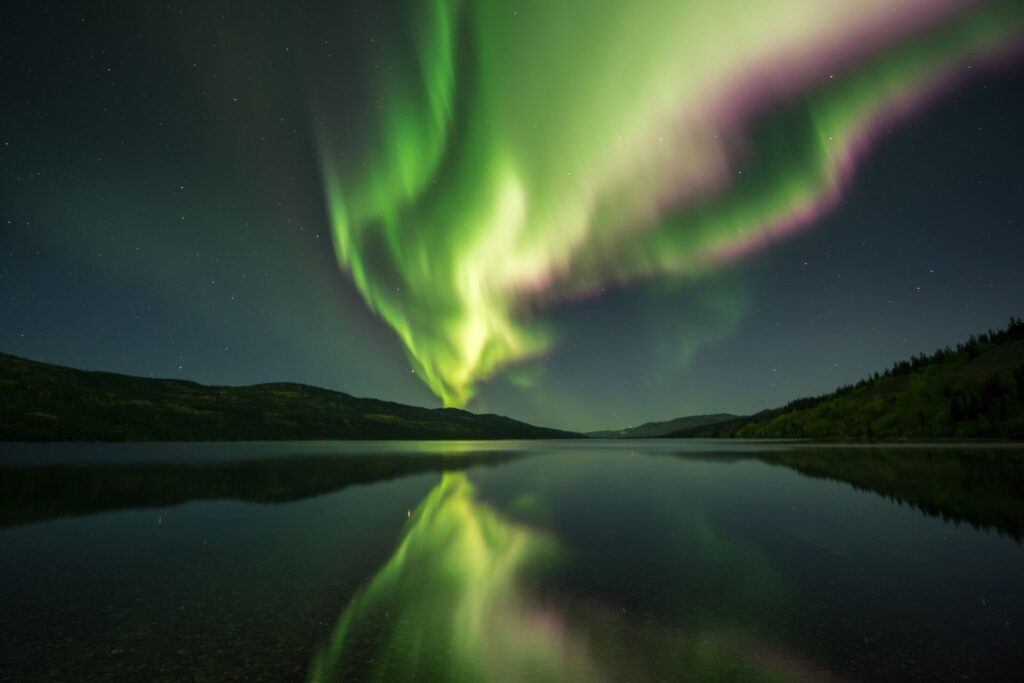
- Late August to April in the Yukon, Northwest Territories and Nunavut, and in northern Manitoba. The peak darkness from October to March gives the highest odds of seeing the lights.
Best Time for City Breaks
- Vancouver and Victoria: Year-round; April to October for gardens, harbour wanderings and whale watching.
- Calgary and Edmonton: June to September for festivals and blue-sky days (with Rockies explorations, of course).
- Toronto and Ottawa: May to October for patios, galleries and canal paths; winter brings skating and festive lights.
- Montréal and Québec City: May to October for culture and cuisine; December to February for old-world winter charm and carnival season.
Best Time to Visit by Region
Western Coast (British Columbia)
Why go: Coastal rainforests, island-dotted seas, mountain-to-ocean scenery and rich Indigenous culture.
Best windows:
- May to October for exploring Vancouver Island, whale watching, and sunshine on the Okanagan wine trails.
- July to August is warmest and driest; May to June and September offer less crowds and mild weather.
The Canadian Rockies (Alberta & eastern BC)
Why go: Turquoise lakes, jagged peaks, glaciers and wildlife.
Best windows:
- June to September for hiking, gondolas, canoeing and the incomparable Icefields Parkway between Banff and Jasper.
- September to early October brings golden larch trees, crisp air and quieter trails.
- December to April is a winter wonderland in the Rockies. Think sleigh rides across frozen Lake Louise, snowshoeing, crackling fireplaces and world-class skiing.

Eastern Canada (Ontario, Québec, Nova Scotia, Newfoundland & Labrador)
Why go: Cosmopolitan cities, the drama of Niagara Falls, heritage towns, and the mighty St Lawrence.
Best windows:
- May to October is ideal for city wandering, island cruises, galleries and food tours.
- September to October is fiery foliage heaven across the Eastern Townships.
- December to February transforms Québec City into a fairytale of cobbles, candles and frost.
Northern Canada (Yukon, Northwest Territories, Nunavut)
Why go: Vast tundra, ancient mountains, Indigenous cultures, midnight sun and the aurora.
Best windows:
- June to August for long daylight, hiking, paddling and wildlife like muskox and caribou.
- Late August to April for the northern lights; February to March often combines aurora viewing with winter adventures like ice-road journeys and dog sledding.
Cross-Country Adventures
If the idea of connecting one iconic Canadian landscape to the next, a cross-country adventure is for you. How should you conquer this epic continent?
- By Rail: Settle into a sleeper cabin, sip coffee in a glass-domed lounge car, and watch the Rockies give way to the Prairies, then forests, lakes and finally the Atlantic-facing cities. Rail journeys invite a slower rhythm and a deeper connection to place and are ideal for travellers who want to savour the in-between.
Best time: May to October for clear views and comfortable temperatures; September often brings gorgeous light, fewer crowds and high wildlife activity. - By Road: A coast-to-coast self-drive is equally memorable. Imagine ferry-hopping the West Coast, tracing the spine of the Rockies along the Icefields Parkway, pausing in Prairie towns for farm-to-table dinners, detouring to lake country in Ontario, and wrapping up on a Nova Scotia peninsula where lobster pots rattle in the breeze.
Best time: June to September for open alpine passes and warm days; May and September to October are quieter and superb for photography.

Canada Month-by-Month Travel Guide
January
Canada’s deep winter glows under starry skies. The Rockies deliver dry powder and uncrowded slopes, while Québec City feels like a fairytale. In the North, auroras sway overhead. Cosy up with fondue in Banff or a heritage inn in Old Montréal, then rug up for a night-time snowshoe under stars.
February
Resorts across BC and Alberta hum with winter festivals and night skiing, while ice sculptures and winter carnivals animate Québec and Ottawa. Northern lights remain strong, and dogsled trails thread through spruce forests in the Yukon.
March
Longer days with plenty of snow. Maple season begins in Québec and Ontario (think sugar shacks and warm taffy on snow). In the Rockies, ice canyons gleam with sapphire-blue pillars, while coastal Vancouver starts to soften towards spring.
April
A month of contrasts. Cherry blossoms and patio brunches appear in Vancouver and Victoria, while the ski season still rolls on in higher-elevation resorts. Waterfalls roar as snowmelt gathers steam and wildlife becomes livelier at lower elevations.
May
A shoulder-season gem. Newborn wildlife appears in national parks, roads are quieter, and temperatures are great for city explorations from Toronto to Montréal. On the West Coast, grey skies lift to reveal snow-capped peaks and brilliant greens. This time of year is ideal for photographers and lovers of the outdoors.

June
Peak season begins as roads in the Rockies are fully open, alpine meadows start to bloom, and whale migrations energise the Pacific. Across the country, festivals, farmers’ markets and patio culture thrives. June is a sweet spot before the height of summer.
July
Peak summer in full colour. Lakes reach swimmable temperatures, backcountry trails open, and coastal towns are vibrant with music and seafood shacks.
August
Adventures such as multi-day hikes, lake paddles, island road trips and wildlife cruises are ideal in August. The first hints of the Aurora may flicker late at night in northern skies from late August. It’s also an excellent month for Atlantic capelin runs, puffin viewing and iceberg stragglers (timing varies year to year).
September
This is photographers’ gold with warm days, crisp nights, fewer crowds. September is also a standout month across the Rockies and Atlantic Canada. Vineyards in the Okanagan are heavy with fruit; the first maples turn in Québec. Rail and road itineraries feel relaxed and unhurried.
October
Burning foliage peaks from Ontario through Québec and into the Maritimes. Witness a riot of red, orange and gold. Churchill gears up for polar bear season, and mountain trails glow with golden larches in the Rockies. Days are cool, but the atmosphere is luminous.

November
A quiet interlude with a wonderfully moody palette. November is a great time for photographers and aurora seekers. Early snow dusts the mountains; cities lean into art, dining and theatre. It’s also prime time for polar bear encounters in Manitoba.
December
Festive magic. Christmas markets and old-world charm take centre stage in Québec City and Montréal, while Whistler and Banff switch into winter mode. The Aurora strengthens as nights lengthen, and cosy wilderness lodges beckon with fireplaces.
Summary: Choosing the Right Time for Your Canada Trip
- Love alpine lakes, road trips and wildlife? Aim for June to September (with September as our pick for fewer crowds and gorgeous light).
- Chasing foliage and crisp hiking days? Choose September to October, especially for Ontario, Québec and the Maritimes.
- Skiing, northern lights or winter wonderland vibes? Go December to March, with January and February the sweet spot for powder and February and March ideal for auroras plus winter activities.
- Prefer fewer fellow travellers and good value? May and late September to October offer shoulder‑season serenity and standout experiences.
- Craving the full scope of Canada? Plan a cross‑country rail or multi‑region self‑drive between May and October for the most reliable conditions and open alpine passes.
Whenever you go, Canada delivers the kind of moments that stay with you. Standing near the thundering waters of Niagara Falls, strolling through Stanley Park, spotting a bear off the roadside on the Icefield Parkway, exploring Toronto’s waterfront, or grabbing a pastry in a Montréal café. Each place shows a different side of this huge, welcoming country and each season delivers a reason to explore.
