

Recently updated on December 8th, 2025 at 03:34 am
India stands out as one of the world’s top wildlife destinations – a land where ancient forests, towering mountains, tropical mangroves and centuries‑old human cultures converge, all under the watchful gaze of some of the planet’s most iconic and powerful predators. And while many travellers associate big cats with Africa’s savannahs, few realise that India supports the greatest diversity of big cat species found in any single country. The subcontinent is home to five extraordinary felines – the Bengal Tiger, Asiatic Lion, Indian Leopard, Snow Leopard and Clouded Leopard – each symbolising ecological resilience and guarding distinct habitats. For wildlife enthusiasts, India offers an experience unlike anywhere else.
Already planning an Indian adventure? Head to our India destination page to discover our entire portfolio.
Table of Contents
Why India Is the Land of Big Cats
A country of five feline kings
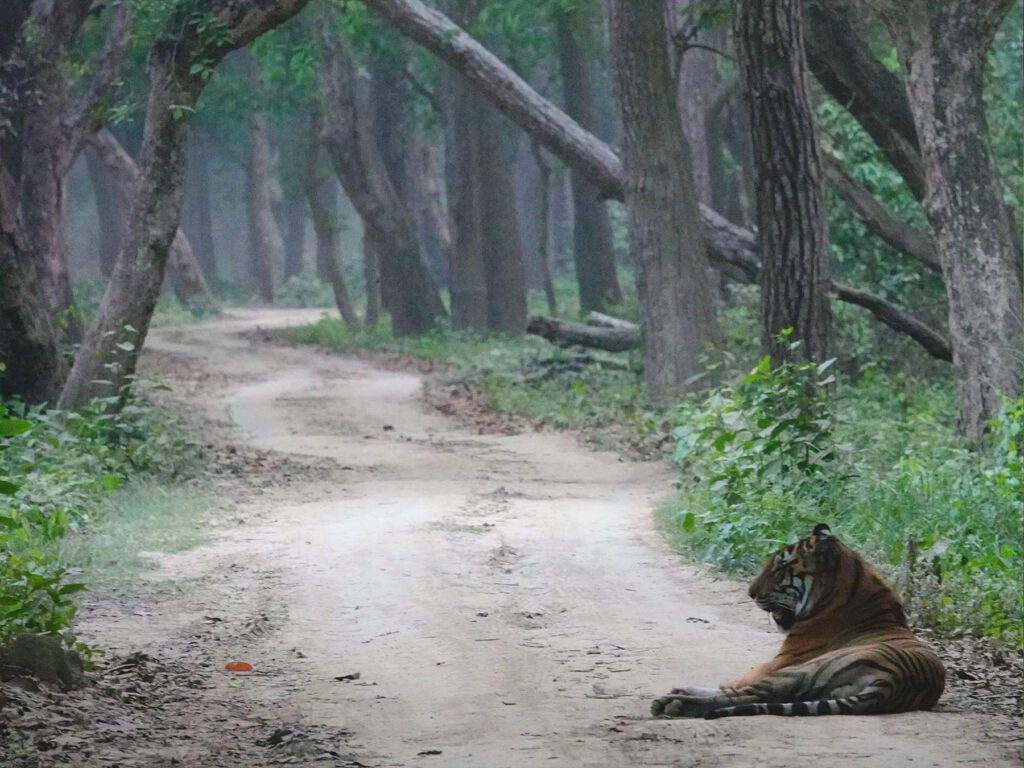
India’s wildlife heritage is unique. It sustains large wild populations of multiple big cat species, something unmatched globally. Among these, the Royal Bengal Tiger, Asiatic Lion, Indian Leopard, Snow Leopard and Clouded Leopard reign as apex predators in their respective ecosystems. This concentration of big cats within one nation underscores India’s global importance in big‑cat diversity and conservation.
The coexistence of these cats – each adapted to vastly different habitats – is a testament to India’s ecological richness. From dense jungles and mangroves to high Himalayan ridges and remote hill forests, these species represent a spectrum of feline evolution, survival strategies, and environmental adaptation.
How geography and climate created diverse cat habitats
India’s tropical plains, humid mangroves, deciduous forests, arid scrublands, high‑altitude mountains form a mosaic of ecosystems that help different big cat species to flourish. Such diversity allows tigers to dominate in dense forests and mangroves, lions to inhabit drier woodlands and scrub, leopards to span forests, hills, plains and even urban fringes and snow leopards to thrive in the Himalayan highlands.
This patchwork of habitats illustrates how climate, terrain, vegetation and prey availability shaped distinct ecological niches – enabling multiple apex predators to co-exist without direct competition for identical resources. With this variety of landscapes, India offers unparalleled big‑cat biodiversity.
From the Himalayas to the Deccan – where the wild still thrives
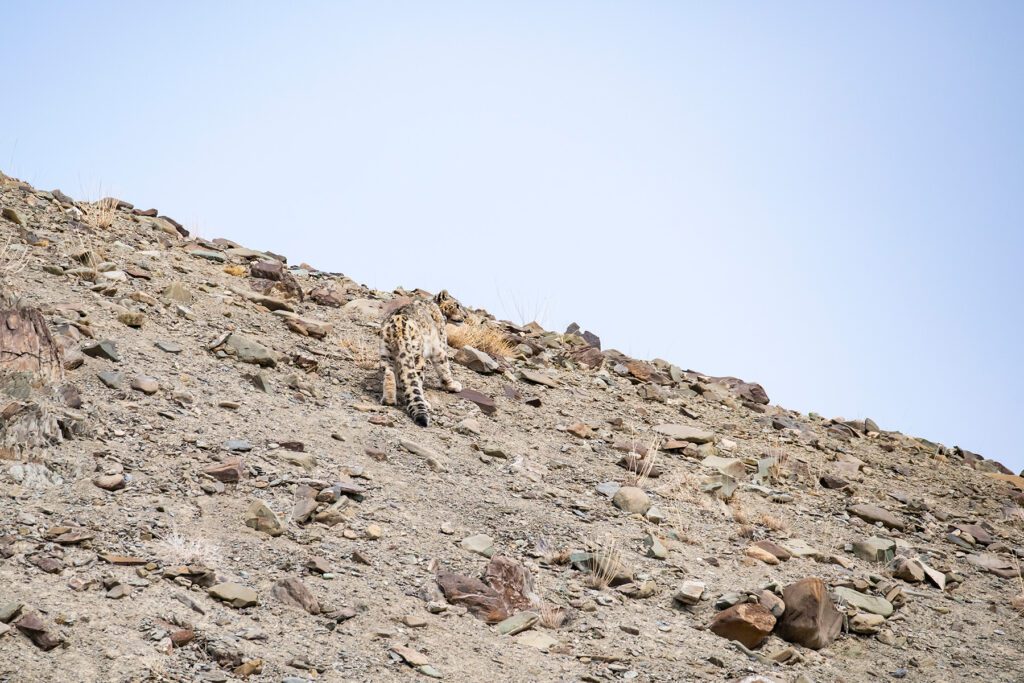
Despite centuries of human settlement and expansion, India has preserved swathes of wilderness. A network of national parks, wildlife sanctuaries and tiger reserves protects habitats critical for big cats and other wildlife alike. More than 50 dedicated tiger reserves complement broader habitat protections, ensuring that ecosystems remain intact and wild populations sustainable.
These protected areas, often managed carefully for low-impact tourism and conservation, are living evidence that wilderness still thrives across the subcontinent. For travellers, this means there remain places where big cats roam freely and can be observed responsibly – a rare privilege in today’s rapidly changing world.
For an unforgettable and immersive wildlife experience, check out our Wildlife of Northern India itinerary that explores three diverse regions of wild India, from the Himalayan foothills to Rajasthan’s rugged hills.
The Bengal Tiger – India’s Striped Monarch
Symbol of India’s wilderness and conservation legacy
The Bengal Tiger is perhaps the most emblematic of India’s wild heritage. Once threatened by habitat loss and poaching, this majestic cat has become a symbol of national pride and conservation success. Indeed, through decades of concerted protection efforts under Project Tiger – launched in 1973 – India has secured a place for tigers in the modern world.
Today, India supports more wild tigers than any other country. According to national estimates, wild tiger numbers have rebounded significantly – a tribute to sustained anti‑poaching efforts, habitat protection, and community engagement across protected landscapes.
The tiger’s behaviour and habitats across India
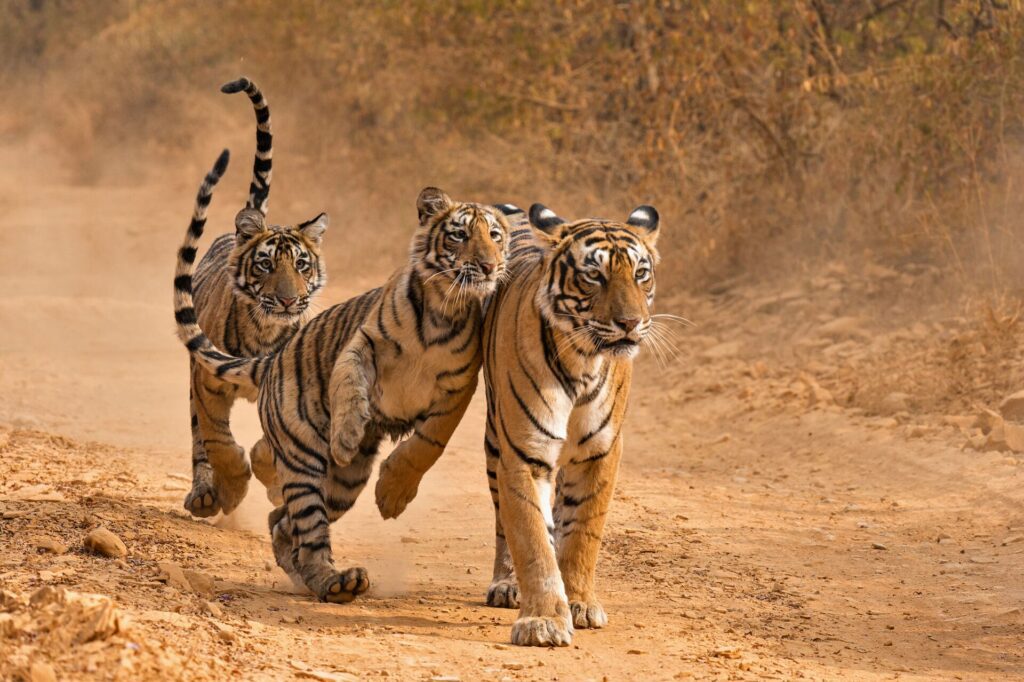
Tigers are among the largest felines on Earth and display remarkable ecological flexibility. Their preferred habitats range from dense forests and grasslands to coastal mangroves. In India, you can find them in forest sanctuaries, wetland corridors, riverine belts and hill terrain. Their striped coat and powerful build suit ambush hunting in thick vegetation, yet tigers are equally at home stalking prey along riverbanks or patrolling forest edges.
This behavioural and ecological adaptability has allowed tigers to inhabit a wide variety of Indian landscapes – making them one of the most widespread big cats in the subcontinent, despite the pressures of human land use and fragmentation.
Where to respectfully observe tigers in the wild
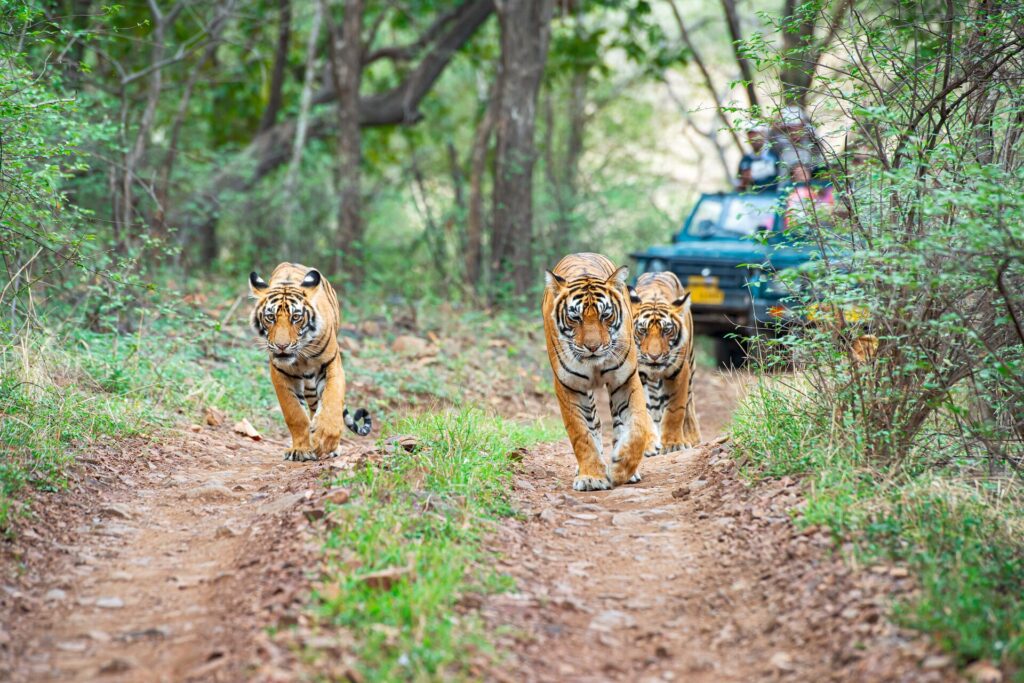
Some of India’s national parks and tiger reserves offer among the best chances for sustainable tiger sightings. Regions such as central and northern India – with protected forests, riverine corridors and balanced prey‑habitat dynamics – remain hotspots for tiger‑watching. Safaris conducted under ethical, conservation‑aware guidelines maximise chances of sightings while ensuring minimal disturbance to wildlife.
For travellers aiming to experience India’s wild side, guided journeys through these sanctuaries offer immersive, responsible encounters with one of the world’s most iconic predators – the Bengal tiger.
India also offers a wide range of wildlife lodges, many run by passionate conservationists and often set in rugged natural settings on the fringes of protected areas. A highlight for Tiger sightings is Jim’s Jungle Retreat, as featured on our Wildlife of North India itinerary. Where tigers can often been seen wandering the edge of the retreat grounds.
Conservation efforts and the success of Project Tiger
Project Tiger has been the cornerstone of tiger conservation in India for decades. Through establishing protected areas, enforcing anti‑poaching laws, ensuring prey base, habitat management and community engagement, the project has helped revive tiger populations across the country.
The growth in tiger numbers highlights the success of this long-term commitment. As India continues to balance conservation and human development, the Tiger remains not just a survivor, but a flagship symbol of coexistence between people, nature and wildlife.
The Asiatic Lion – The Last Kings of Gir
How the Asiatic lion differs from its African cousins
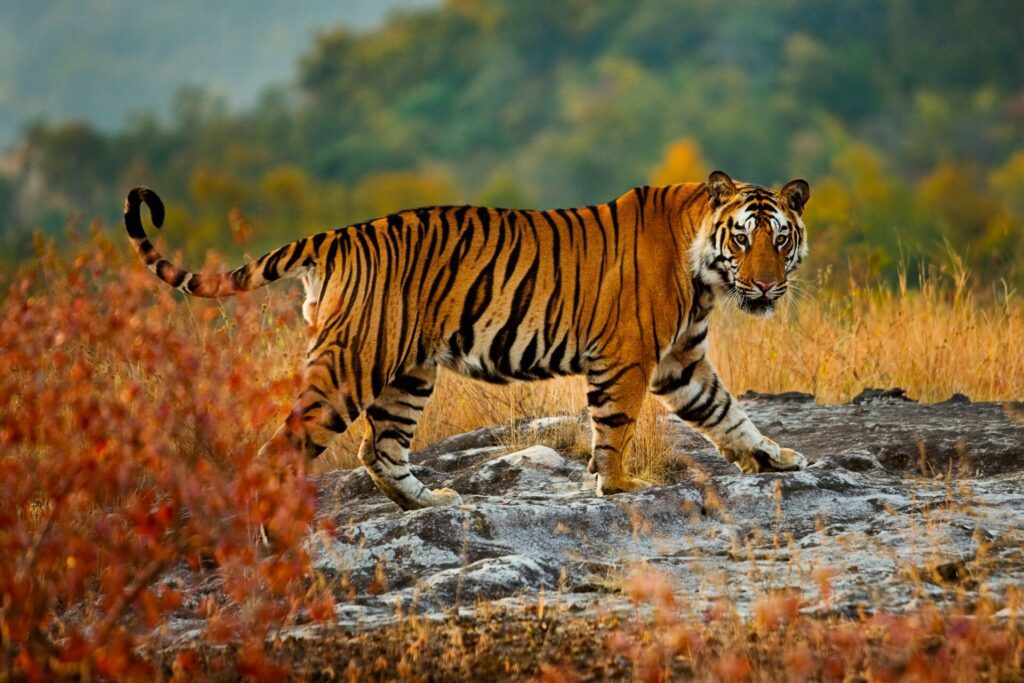
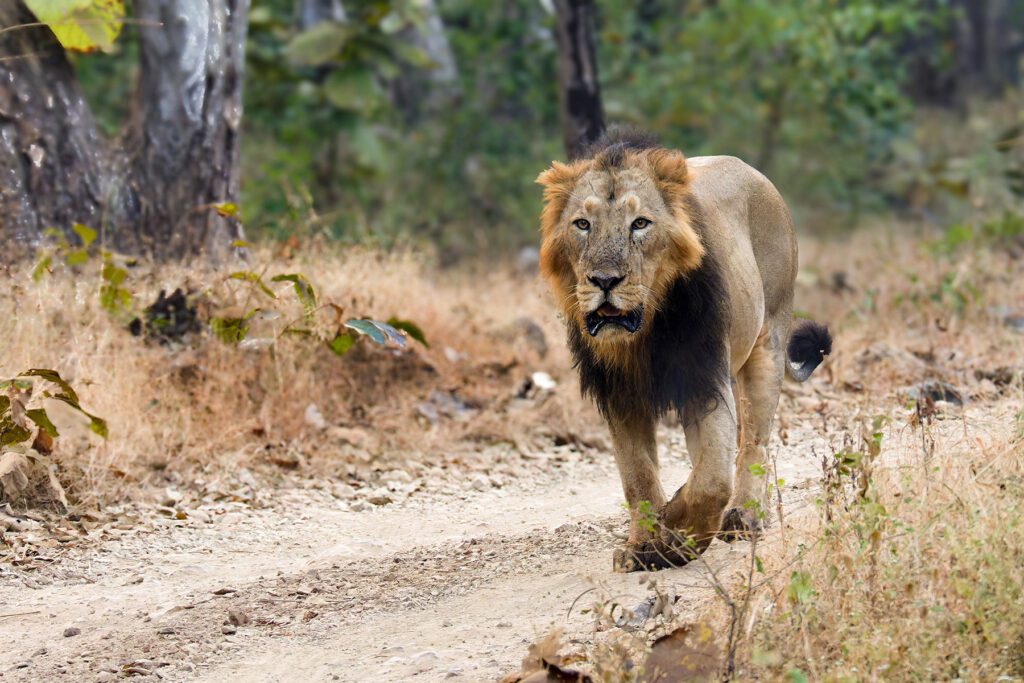
The Asiatic Lion, once roaming across vast parts of Asia, now survives only in a restricted pocket of Gujarat – in and around Gir National Park.
Unlike their African relatives, Asiatic lions are distinguishable by several subtle differences in size, mane characteristics, and habitat preferences, having adapted to the dry woodlands and scrubland terrain of western India.
Their conservation status and Balkan-style resurgence make them one of the world’s rarest populations of lions – a living relic of a wider historic range now lost forever. A visit to one of the lodges alongside Gir Forest, offers the best chance to spot one thanks to the success of the conservation program here.
The rise, fall, and revival of the lion in India
Historically, Asiatic lions ranged widely across western Asia and the Indian subcontinent. But over centuries, habitat loss, human conflict and hunting drove the population to the brink of extinction. By the early 20th century, only a small remnant survived in the Gir region.
Thanks to strict protection, habitat preservation, and conservation policies, the population has steadily recovered. Recent counts place the number of Asiatic lions significantly higher than a few decades ago, signalling a rare example of a large predator’s revival in the modern age.
The story of coexistence between lions and local communities
The recovery of the Asiatic lion has depended not only on legal protection, but also on cooperation with local communities. In Gir and surrounding landscapes, people and lions share land, water and resources. This coexistence model – habitat protection linked with livelihood support and community involvement – is central to ensuring long-term survival of these magnificent cats.
For visitors, Gir offers a deeply meaningful wildlife experience: not just a chance to see lions, but to understand a living example of human‑wildlife cooperation and conservation in action.
The Indian Leopard – The Adaptable Predator
India’s most elusive and widespread big cat
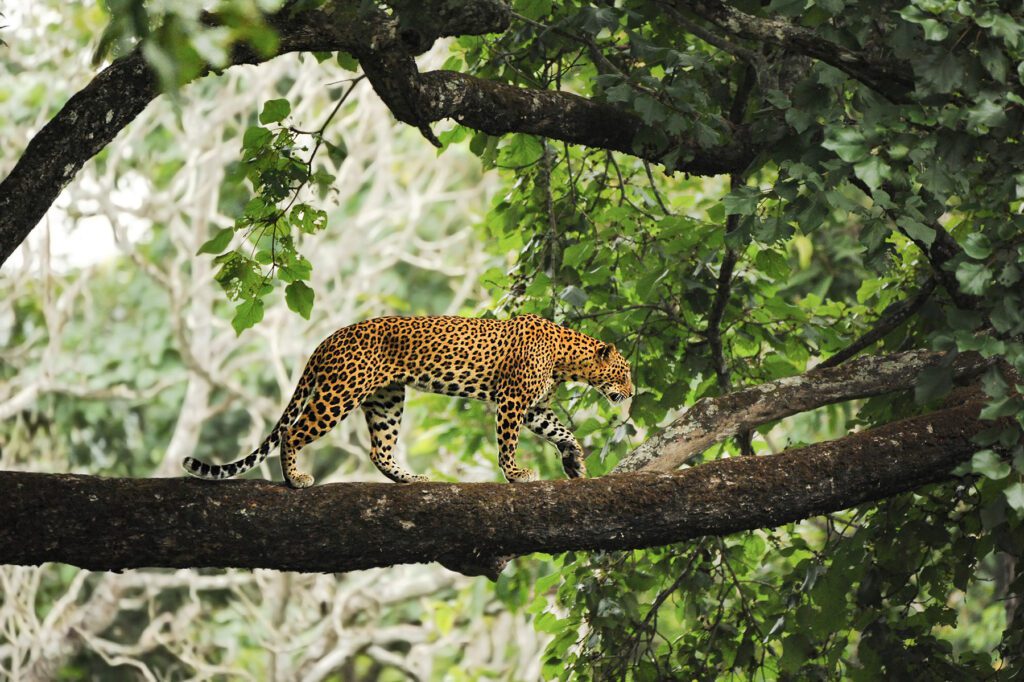
The Indian Leopard has perhaps the broadest distribution among India’s big cats. It occupies regions ranging from forests and grasslands to hills, agricultural margins, and even urban fringes. This adaptability makes it one of the country’s most widespread large predators.
Because of their elusive nature and versatile habitats, leopards often avoid direct competition with tigers or lions – instead carving out their own ecological niche across India’s varied landscapes.
Coexistence and conflict – leopards in urban India
India’s rapid urban expansion has pushed into traditional wildlife habitats, and leopards are often the big cats most capable of adapting. In some peri‑urban zones, leopards have been recorded living on the edge of human habitation, surviving on mixed prey including small mammals and sometimes domestic animals. While this behaviour demonstrates their resilience, it also raises challenges: human–leopard conflict, habitat loss, and conservation balance.
Managing these conflicts demands awareness, community education, safe habitat corridors, and responsible urban planning. It also underlines the need for ethical tourism – ensuring that wildlife presence coexists with human livelihood.
The role of leopards in maintaining ecological balance
As adaptable apex predators – or near-apex in some ecosystems – leopards play a critical ecological role. By regulating herbivore populations in forests, hills and grasslands, they help maintain balanced ecosystems, promote vegetation regeneration, and prevent overgrazing. Their presence supports biodiversity at multiple trophic levels, underlining their importance beyond just charisma.
For wildlife tourism, this means that sightings of leopards aren’t just thrilling – they’re a sign of ecosystem health and balance. The best places to spot Leopard are Narlai, featured on our Authentic Rajasthan itinerary, as well as Corbett and Satpura National Parks, and they can even be seen on the outskirts of Jaipur, and at rural lodges like Bera Safari Lodge – which can be easily added to any Rajasthan itinerary.
The Clouded Leopard – The Secretive Spirit of the Northeast
Where the Clouded Leopard Roams
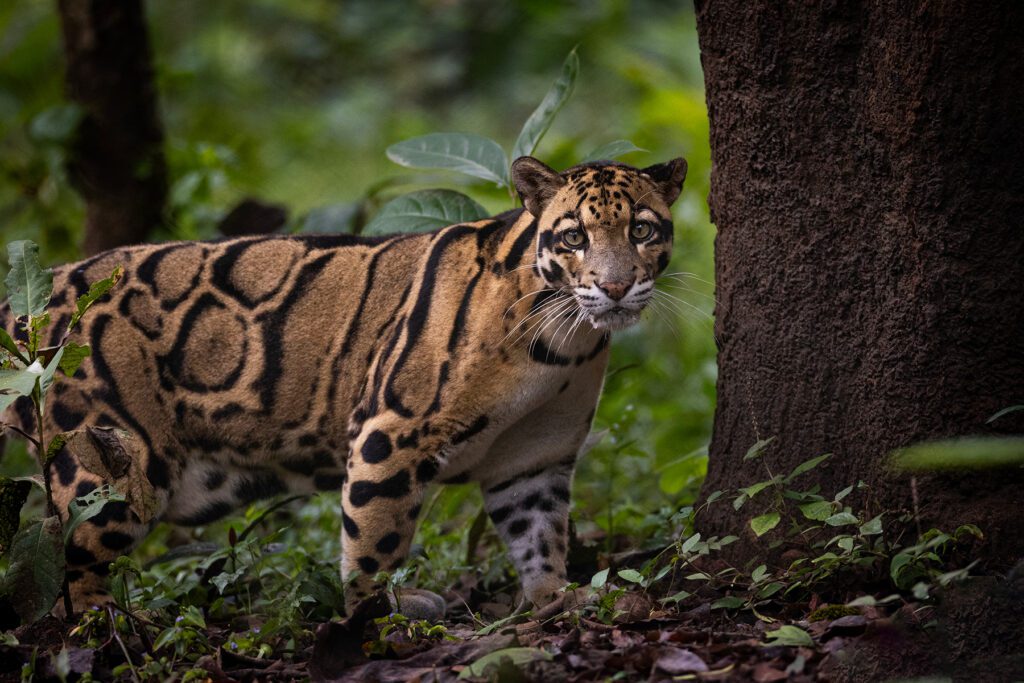
The Clouded Leopard inhabits India’s remote northeastern forests, deep in dense, often rugged terrain where human presence is minimal. States such as Assam, Arunachal Pradesh and other forested regions of the Northeast represent its core habitat.
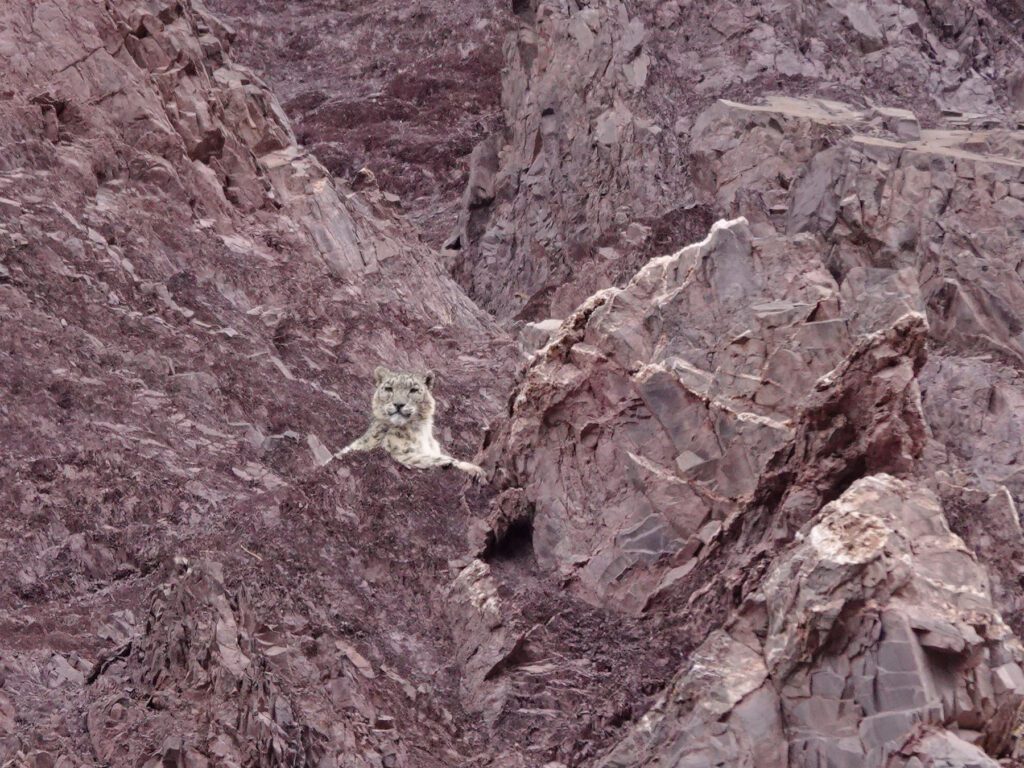
This cat is elusive, extremely hard to spot, and often documented only through camera traps or rare anecdotal sightings. Its mysterious nature – cloud‑patterned coat, arboreal habits, nocturnal and crepuscular activity adds to its enigmatic allure.
Because it is so rarely seen, each verified sighting or photographic record is scientifically valuable. Meanwhile, ongoing habitat degradation, deforestation and human encroachment pose serious threats to its already fragile survival. Conservation of this secretive cat is also conservation of some of India’s most biodiverse, yet vulnerable, forest ecosystems.
The Asiatic Golden Cat – India’s Hidden Treasure of the Eastern Hills
The Enigmatic Beauty of the Eastern Himalayas
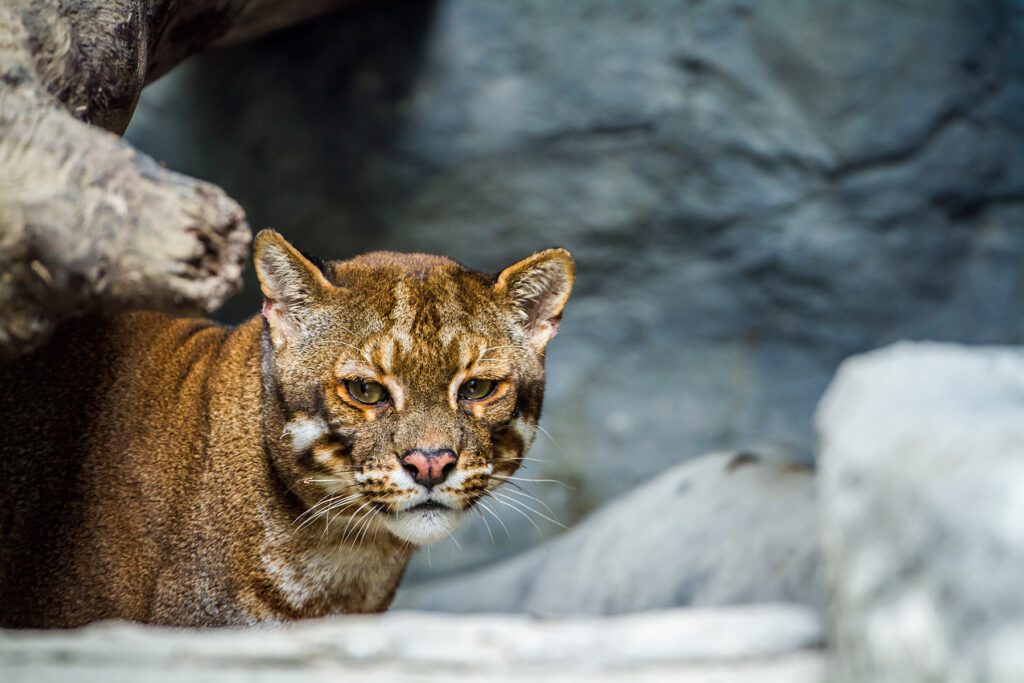
The Asiatic Golden Cat prowls the dense, hilly forests of India’s eastern hill ranges — especially in northeastern states such as Arunachal Pradesh and Meghalaya. Its elusive nature and remote habitat have kept it largely out of public view.
This cat’s golden-hued coat, subtle markings, and secretive habits make it one of India’s most enigmatic big cats. Reliable sightings are rare; camera traps often yield the only solid evidence of its presence.
Conservation Challenges and Hopes
Conservation challenges for the Asiatic Golden Cat are steep: habitat loss, human encroachment, deforestation, and limited data on population size. Protecting this species is not just about preserving a single animal – it’s about safeguarding fragile ecosystems and biodiversity hotspots that are home to many rare and threatened species.
With increased awareness and targeted conservation efforts, there remains hope that this hidden treasure of India’s eastern hills may survive – and perhaps even thrive – for generations to come.
The Snow Leopard – The Ghost of the Himalayas
Surviving in the world’s harshest environments
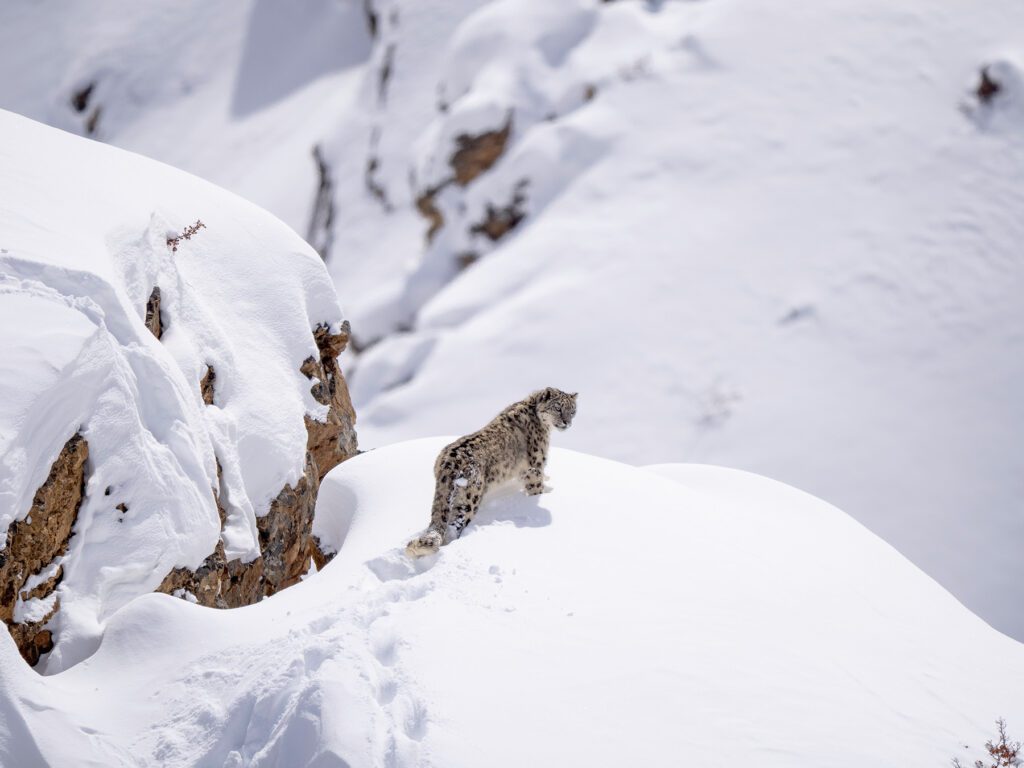
The Snow Leopard is a master of survival in extreme high‑altitude conditions. Found across the Himalayan region – including Ladakh, Himachal Pradesh, Uttarakhand, Sikkim, Arunachal Pradesh and other alpine zones – snow leopards inhabit rocky slopes, rugged cliffs and sparse highland terrain, typically between 3,000 and 5,000 metres elevation.
Equipped with thick fur, wide padded paws, long tails for balance, and unmatched agility, snow leopards are perfectly adapted to cold, mountainous terrain. Their solitary and secretive nature, combined with sparse prey and harsh landscapes, makes them among the world’s most elusive big cats.
How local communities protect the snow leopard
Protecting snow leopards often depends on the cooperation of local mountain communities. In many Himalayan regions, community‑led conservation programs have been critical: predator‑proof livestock corrals, insurance schemes for domestic stock, and incentives for non‑lethal coexistence help reduce human–humane conflict. Local people become stewards of their environment, and their traditional knowledge contributes to monitoring and protection efforts.
This community-based model ensures that snow leopard conservation benefits both wildlife and human livelihoods – and fosters long-term coexistence in environments where traditional ways of living remain deeply connected to nature.
Eco-tourism and conservation success in Ladakh and Spiti
Ethical, low-impact tourism focused on snow leopard sightings – often small‑group, expert-guided treks – offers travellers a rare opportunity to glimpse this elusive cat while contributing to conservation. Such tourism supports local economies without disturbing fragile mountain ecosystems.
By choosing responsible operators, visitors help fund conservation, support communities, and raise awareness about high‑altitude biodiversity. In doing so, they help ensure the ghost of the Himalayas remains part of India’s wild legacy.
Searching for more than tigers? Why not combine your Indian wildlife adventure with our Authentic Golden Triangle itinerary and see the sights of Delhi, Agra and Jaipur.
Protecting India’s Big Cats: Conservation and Community
From Project Tiger to Project Snow Leopard – India’s wildlife legacy
India’s commitment to big‑cat conservation spans decades of coordinated effort. Through initiatives like Project Tiger and more recent efforts aimed at snow leopard protection, the country has established protected areas, enforced anti‑poaching laws, promoted habitat conservation and strengthened wildlife governance.
These programmes have helped stabilise, and in some cases increase, populations of several big cat species – a conservation success that stands out globally, especially given India’s dense human population and history of intense land use.
The role of Indigenous and local communities in big cat protection
Communities living alongside wildlife play a pivotal role in conservation. Whether through sustainable land‑use practices, providing local guardianship, participating in anti‑poaching patrols, or supporting eco‑tourism, Indigenous and local people are integral to safeguarding big cats.
By weaving traditional ecological knowledge, community engagement, livelihood support, and conservation science together, these partnerships help maintain habitat integrity, reduce conflict, and ensure long-term viability for both people and wildlife.
The Future of Big Cats in India
Balancing tourism and conservation
As tourism demand grows, so does the need to balance visitor experience with ecological integrity. Careful management of habitats, strict guidelines for wildlife encounters, community involvement, and regulated visitor numbers will be crucial to safeguard big cats while sharing their stories with the world.
How travellers can support ethical wildlife experiences
Travellers have a key role to play. By choosing certified, eco‑aware operators; respecting park rules; avoiding disturbance; and supporting community‑based initiatives, visitors contribute to long‑term conservation. Responsible travel can become a powerful force for protecting big cats and their habitats.
Why protecting big cats means protecting entire ecosystems
Big cats are apex predators. Their presence stabilises food chains, controls prey populations, and helps maintain healthy ecosystems – from forests and grasslands to alpine slopes and wetlands. Protecting them safeguards biodiversity, water sources, vegetation, and the myriad of species that depend on balanced ecosystems.
In protecting India’s big cats, we protect landscapes, species and ecological heritage — for wildlife, for communities, and for future generations.
Ready to Encounter India’s Big Cats Responsibly?
From tigers prowling dense forests to snow leopards ghosting across Himalayan cliffs, India offers wildlife experiences that leave a lasting impression. With respect, knowledge, and ethical practices, every encounter can be memorable – and genuinely supportive of conservation.
For those ready to explore, bespoke itineraries can connect you with tiger country, lion habitats, leopard landscapes, Himalayan wilderness and the dense jungles of the Northeast – offering immersive, meaningful, and responsible wildlife journeys.