

Recently updated on October 2nd, 2026 at 05:46 am
Packing for Africa is less about packing everything, and more about packing the right things. From sunrise safaris and exploring towns and cities, to cool desert nights and tropical downpours, Africa’s diversity demands a smart, flexible approach to packing.
This guide will cover how to pack for your trip to Africa. It will help you feel prepared, comfortable and adventure-ready, whilst sticking to a manageable bag weight. Remember – you don’t need everything on this list. Consider where you are going and when to refine down what you need.
Essential Travel Documents and Money
Passport and Copies
Your passport should be valid for at least six months beyond your return date, with some blank pages. Always ensure you keep a scanned copy with a trusted friend or relative at home and a digital backup stored securely online.
Visas and Entry Requirements
Visa rules vary widely between African countries. Some allow you to get your visa processed on arrival, while others require pre-approval in your home country before you leave for your trip. Double-check requirements well ahead of departure.
Yellow Fever Certificate and Vaccination Records
Many African countries require proof of Yellow Fever vaccination. Keep your certificate handy, along with records for any other recommended vaccinations.
Travel Insurance Documents
Comprehensive travel insurance is non-negotiable. Ensure it covers hospital stays, medical evacuation, adventure activities and safari travel.
Tickets and Booking Confirmations
Download your booking confirmations for flights, transfers, accommodation and tours, and take printed copies in your carry-on luggage just in case internet reception is patchy.
Debit/Credit Cards and Cash
Carry at least two cards and some cash in a major currency (US Dollars are widely accepted in Africa). Smaller denominations are helpful for tipping and minor expenses. ATMs can be unreliable in remote areas.
Money Belt or Document Wallet
A discreet money belt or neck wallet adds peace of mind, especially when moving through busy airports, cities and markets.
Luggage and Bags
Main Luggage (Backpack or Suitcase)
Soft-sided luggage or a sturdy backpack is ideal for travelling in Africa, especially for small safari planes with strict weight limits. Front-loading packs/bags that open fully, rather than top loading make it easy to locate what you need. Hybrid backpacks with wheels can also be a good option. Big, heavy hardcases will be problematic. Keep it lightweight and durable, but make sure practicality is considered above all.
Daypack
A small daypack is essential for safari drives, hikes and city wandering. Choose one that is big enough for a water bottle, sunscreen and your camera.
Packing Cubes and Compression Sacks
These are game-changers for organisation and space-saving, especially when moving frequently from place to place. They help to keep your bag organised but also make it very easy to find what you’re looking for.
Dry Bag
Handy for boat trips, beach days or unexpected downpours.
Toiletry Bag
Choose one that’s compact and easy to hang. Space in safari lodges and safari tents can be limited.
Foldable Duffel for Souvenirs
Few can resist the allure of Africa’s vibrant markets. A reusable shopping bag or foldable duffel gives you room for handicrafts and keepsakes for your return trip.
Clothing for Warm Weather
Lightweight T-Shirts and Vest Tops
Breathable, cotton or moisture-wicking fabrics will keep you cool and comfortable. Avoid bright colours, especially for safaris.
Long-Sleeved Shirts for Sun Protection
Lightweight long sleeves will protect you against the sun and insects without overheating you.
Lightweight Trousers or Hiking Pants
Neutral colours (khaki, olive, beige) are best for safaris and help deter insects. Bright colours should be avoided.
Shorts or Skirts
Perfect for cities, beaches and downtime, but be mindful to keep them at knee length or longer and have an awareness of local customs around modesty and traditions.
Dresses or Jumpsuits
Easy, lightweight and comfortable options for evenings or non-safari days. Again, be mindful of customs around modesty.
Swimwear
You’ll want some swimmers for cooling down and relaxing after safari days in your lodge pool.
Clothing for Cold or Rainy Weather
Warm Jacket or Fleece
Early morning game drives can be surprisingly chilly, even in warmer climates.
Thermal Base Layers
Light thermals add warmth without bulk. You can easily remove it as the day starts to warm up.
Waterproof Rain Jacket
Essential for tropical areas or travel during the green (wet) season.
Beanie or Warm Hat
Small but valuable for cold mornings and in any high-altitude regions.
Footwear
Sturdy Walking Shoes or Hiking Boots
Well-worn-in shoes are a must for walking safaris, hikes and uneven ground.
Sandals or Flip Flops/Thongs
Great for lodges, beaches and giving your feet a break.
Water Shoes (Optional)
Useful for river crossings, waterfalls and exploring rocky shorelines or when using communal showers in campsites.
Accessories
Sun Hat or Cap
Wide-brimmed hats offer the best sun protection.
Sunglasses and Case
Polarised lenses help with glare during long game drives.
Scarf or Sarong
Lightweight scarfs and sarongs are incredibly versatile. Use for warmth, sun protection, covering your shoulders or even for something to sit on when out about.
Buff or Neck Gaiter
Perfect for dusty roads, sun protection and added warmth.
Toiletries and Personal Care
Sunscreen and Lip Balm
The African sun is fierce and if you’re taking certain anti-malaria medications, your skin will be even more sensitive to the sun. Choose reef-safe, high-SPF options and reapply regularly.
Insect Repellent
DEET or Picaridin-based repellents are most effective in Africa.
Shampoo, Conditioner and Soap
Travel-sized basics are fine for back-up, but you will find many lodges and hotels provide them.
Toothbrush, Toothpaste, and Floss
Simple essentials and if you have a preferred brand at home, don’t rely on finding it in Africa.
Deodorant
Stick or roll-on deodorant is better in hot climates and for travel.
Wet Wipes and Hand Sanitiser
Essential for long drives and remote areas when you need a quick clean up.
Razor and Hair Accessories
Pack spares as replacements as they can be hard to find in remote areas.
Sanitary Products
Bring enough for your trip as availability can be limited outside major cities. Ensure you follow any directions locally when disposing of these.
Health and Safety Items
First Aid Kit
Include Band-Aids, pain relief/paracetamol and a small antiseptic cream.
Prescription Medications
Carry enough for the full trip, plus copies of your prescriptions. Ensure you have your medication in your carry-on luggage in case of any delays or lost luggage.
Anti-Malaria Tablets
If prescribed, follow directions carefully before, during and after travel.
Bite Cream or Tiger Balm
Lifesavers for itchy bites and muscle aches.
Rehydration Salts or Hydrolyte Sachets
Ideal for hot days, long drives or stomach upsets.
Electronics and Camera Gear
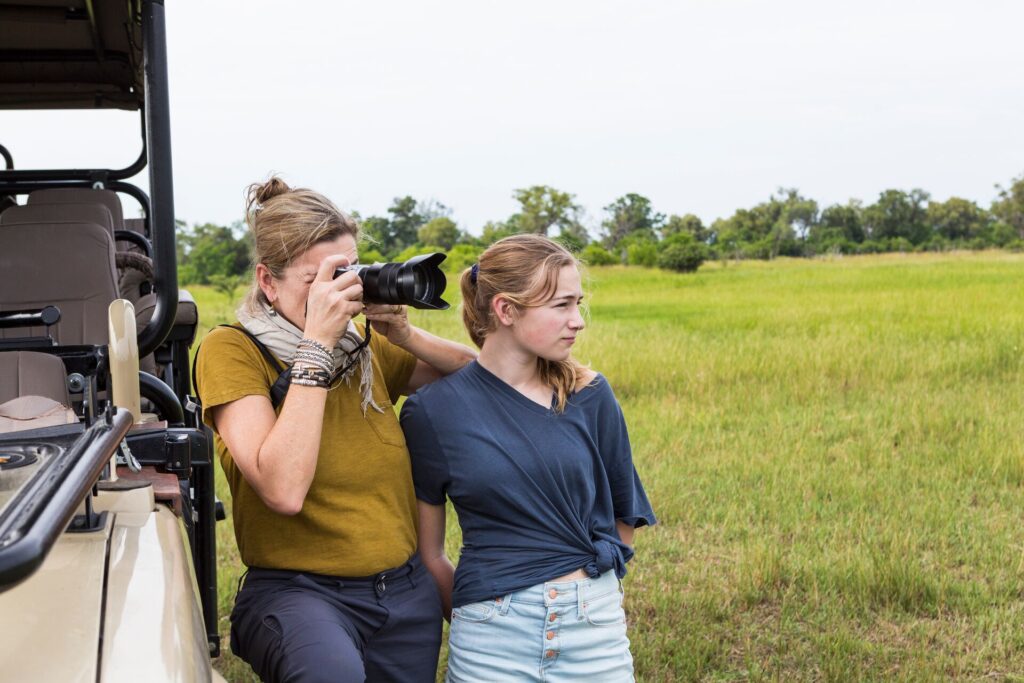
Camera, Lenses, and Memory Cards
Wildlife and landscape photography opportunities are endless. Bring spare memory cards.
GoPro or Action Camera
Great for adventures like rafting or cycling or even to capture those iconic safari moments.
Phone and Charger
Your all-in-one map, camera and communication tool. Don’t forget the charger and any adaptor you might need.
Travel Adapters
Africa uses multiple plug types, so universal adapters are best. Bring a power board so you can charge multiple devices at once.
Power Bank/Rechargeable Battery
Essential during long travel days or in camps with limited power or when your phone is also your camera.
Laptop or Tablet
Optional, but useful for backing up photos or entertainment during down time.
Head Torch
Very handy in tented camps and during power outages.
Safari and Adventure Gear
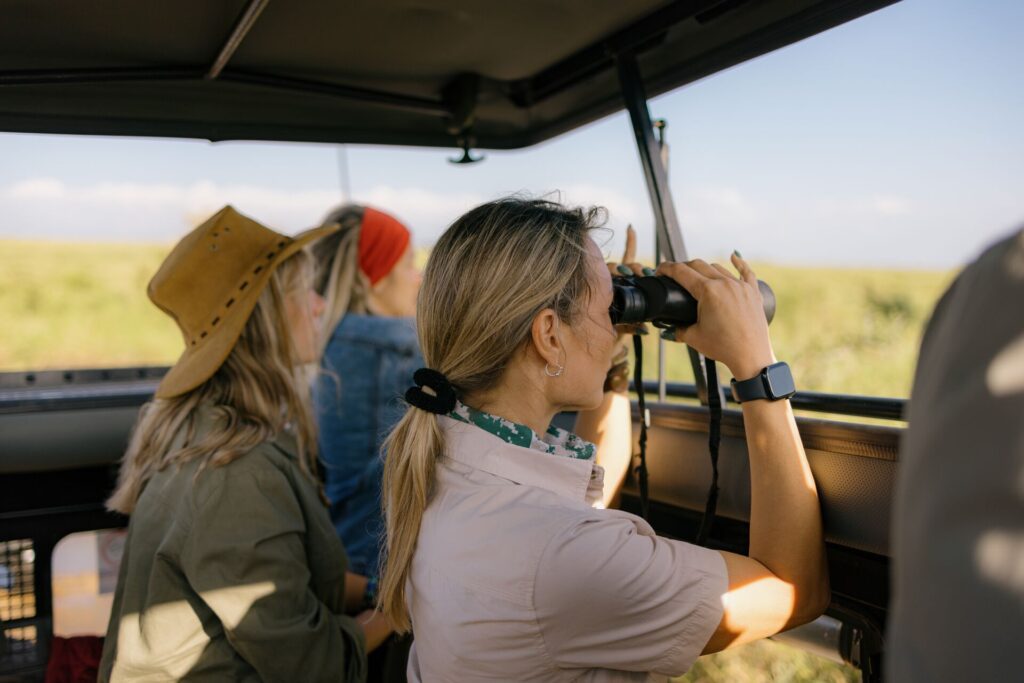
Binoculars
A must for spotting wildlife at a distance. Some safaris may supply these for you so always check in advance if you don’t need to bring them.
Sleeping Bag and Liner (for Overland Tours)
Often required for budget or overland-style trips. Please check prior to travel if you need to bring one or if it will be supplied.
Mosquito Net
Some lodges provide these, but a personal net adds peace of mind.
Travel Towel
Quick-drying microfibre towels are light and practical.
Reusable Water Bottle
Hydration is critical. Bring an insulated bottle for hot days to keep your water cool.
Optional Extras
Book or Kindle
Perfect for downtime between adventures.
Notebook and Pen
Great for journalling unforgettable moments.
Travel Games or Cards
Ideal for long journeys or relaxed lodge evenings.
Snacks for Long Journeys
Energy bars or familiar treats can be a comfort on travel days.
Final Packing Tips for Africa
- Pack light. Laundry services are common at lodges.
- Don’t pack your best, expensive clothes. You’ll be sweaty, the roads are dusty, and you’ll get dirty. Pack casual, comfortable clothes you’ll be happy to dispose of and a couple of nice pieces if you plan to head out to restaurants or bars.
- Check the weather before you go to all the countries and locations you’re visiting. Be prepared for all temperatures you’re likely to encounter. These can vary greatly between countries and even within individual countries.
- Layers are everything. Temperatures across Africa are variable from location to location and day to day. Dress in a way that allows you to warm up or cool down easily.
- Stick to neutral colours for safaris; avoid bright or dark blue shades.
- Always check luggage weight limits for smaller aircraft transfers within Africa and safari vehicles.
- Leave space for souvenirs. You’re guaranteed to find something special.
With the right preparation, packing for Africa becomes part of the adventure. Follow this guide and you’ll be ready for everything from thundering waterfalls to unforgettable wildlife encounters.
Plan your tailor-made Africa holiday
Inspired to explore Africa? Adventure World’s itineraries are a starting point for a journey tailored to your interests, travel dates and preferred pace. Explore our Africa itineraries, or call our Destination Specialists on 1300 363 055 (AU) or 0800 238 368 (NZ) to start planning.