

Recently updated on September 7th, 2026 at 03:13 am
With its fascinating history, ongoing mysteries and wilderness vistas that’ll literally stop you in your tracks, Peru’s Inca Trail rightly entices adventurers from all walks of life. So, whether you’re keen to hotfoot it on a supported camping experience or prefer a lodge-to-lodge alternative, our comprehensive travel guide reveals all you need to know about the Inca Trail for your most rewarding four-day trek yet.
What Is the Inca Trail and Why Is It Famous?
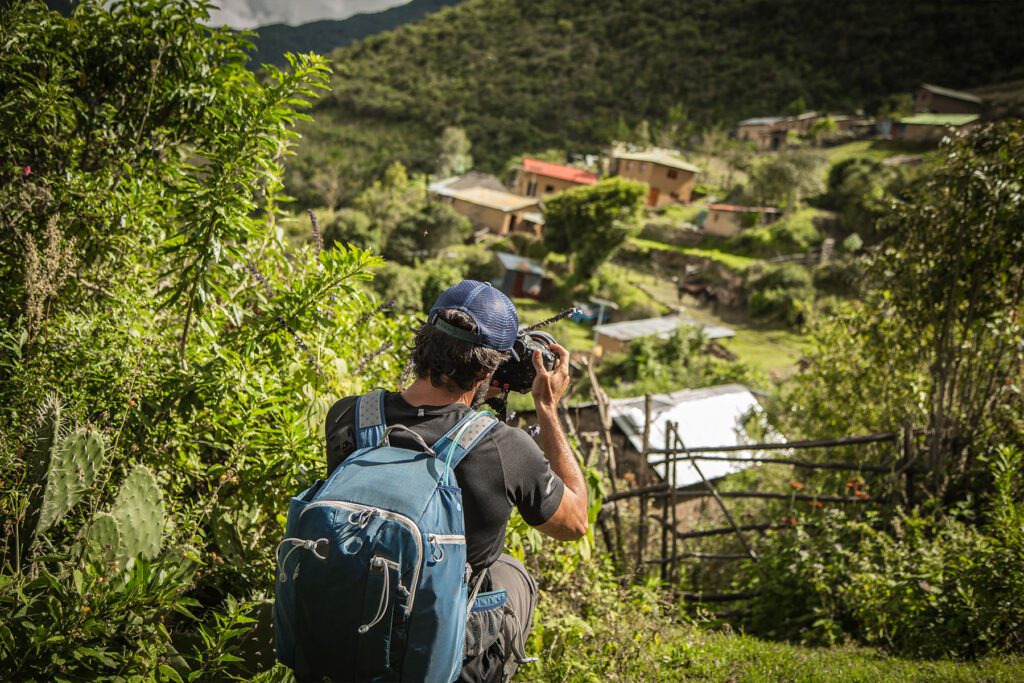
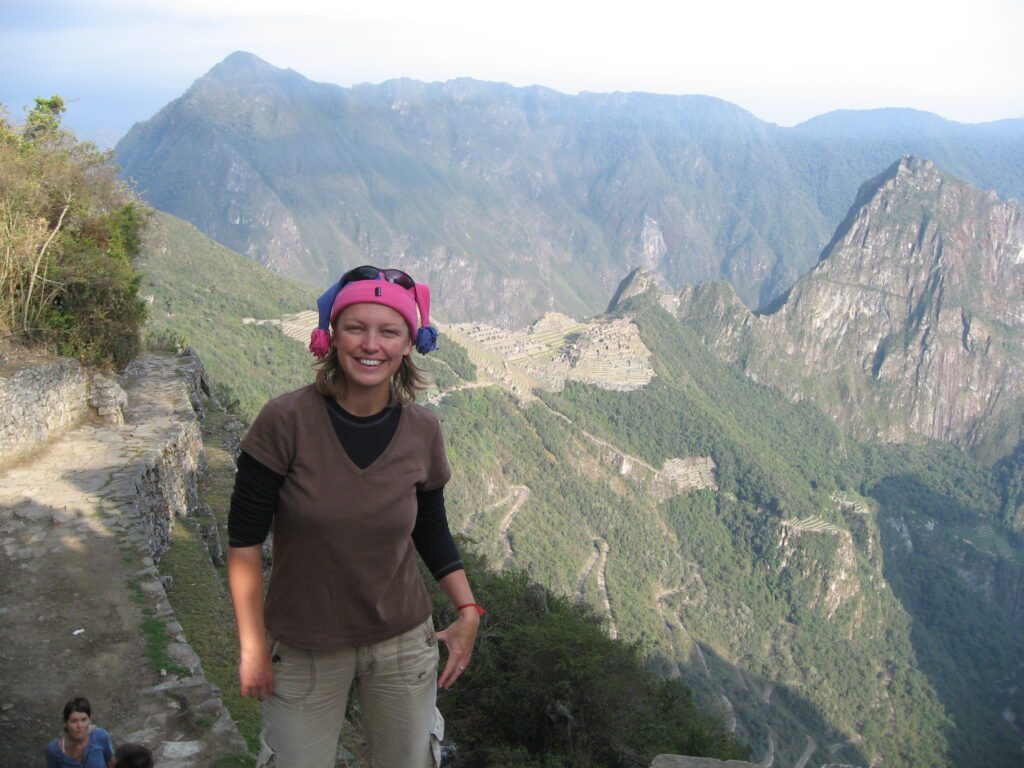
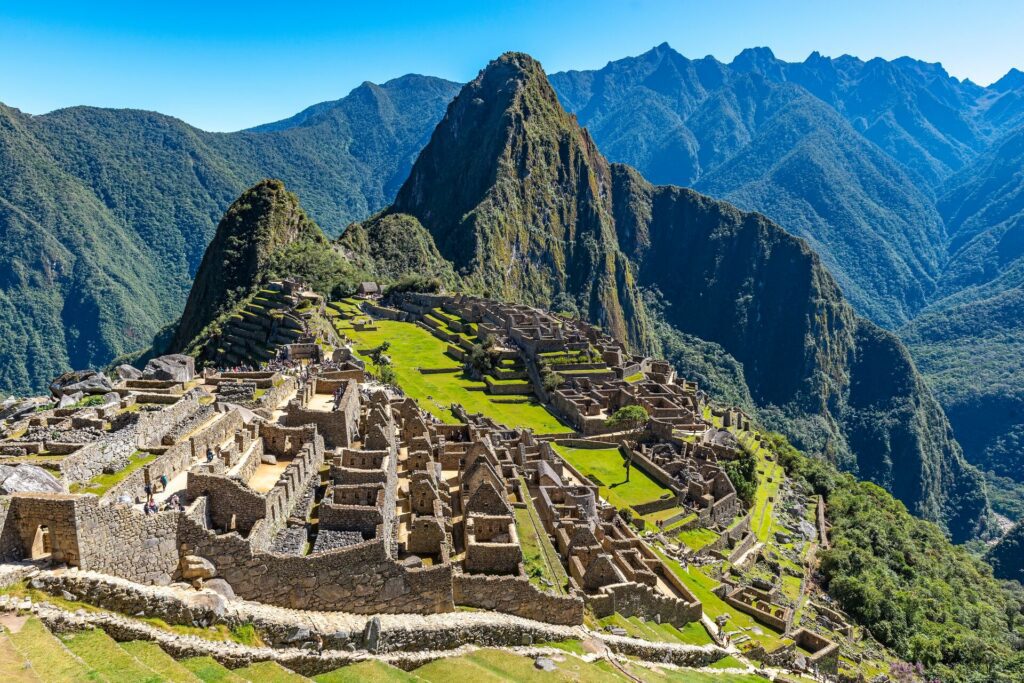
High in Peru’s Andes Mountains in the Cusco region, the Inca Trail is the most celebrated walking route into the UNESCO World Heritage-listed Machu Picchu archaeological complex, which is itself recognised as one of the New Seven Wonders of the World. Spanning about 45km, the classic four-day trail begins near the Sacred Valley of the Incas and finishes dramatically at the Intipunku (Sun Gate), where you’ll get a bird’s eye view of Machu Picchu before winding your way down into it. Get your bearings with this map of Peru.
The legendary route forms part of the Qhapaq Ñan, the 30,000km-long imperial road system created by the Incas – the influential civilisation that rose to power in the early 15th Century, before falling to the Spanish in the 16th. Governed from Cusco, their empire relied on this expansive network to connect the capital to key sites for worship and administration, including Machu Picchu, (about 80km away). So, by linking agricultural terraces, ritual centres and high-altitude sanctuaries, the trail served both a practical and ceremonial role.
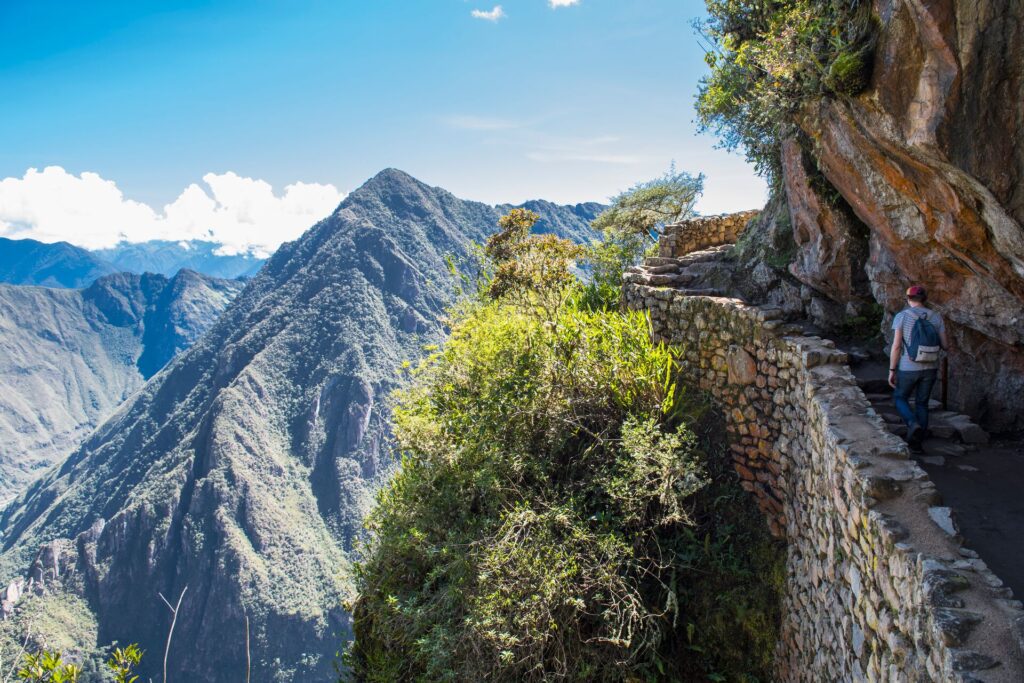
Physically, the walk is both challenging and exhilarating. It climbs from 2,653m to an apex of about 4,200m at Warmiwañusca, before descending through cloud forests and spectacular stone settlements such as Runkurakay, Sayacmarca and Phuyupatamarca.
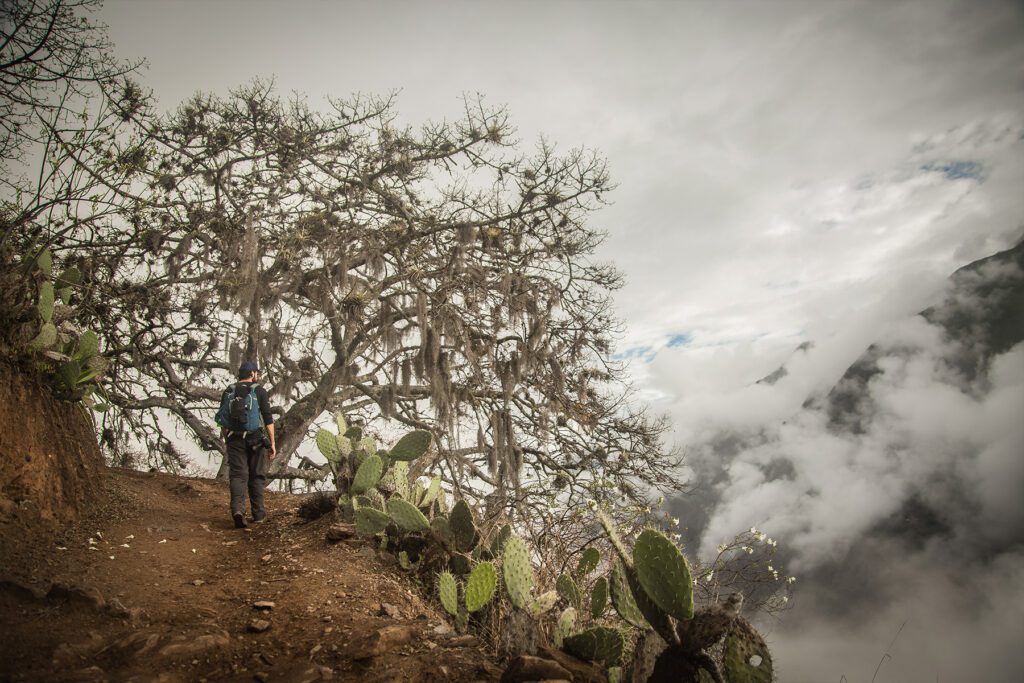
Over four epic days, you can expect to experience everything from remarkably preserved archaeological sites to ancient polylepis forests, hundreds of orchid species and, if you’re super lucky, you might even catch fleeting glimpses of Andean condors, rare spectacled bears and viscachas. These highlights, combined with the route’s rewarding physical challenges, cultural legacy and rich spiritual overtones, set the Inca Trail apart as one of the world’s most intriguing and satisfying multi-day walks.
Trek from one plush lodge to the next on Adventure World’s 7-day Salkantay Trek to Machu Picchu holiday.
When to Hike the Inca Trail
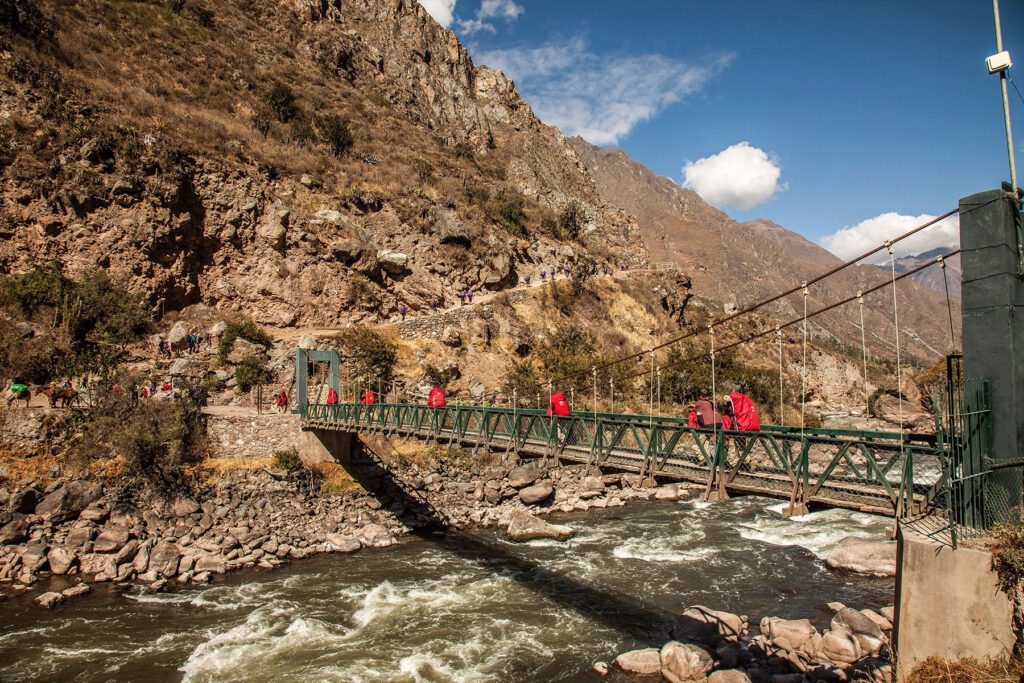
Each season on the Inca Trail has its perks and compromises, so the best time really depends on your personal preferences. That said, the busiest period is the Andean dry season (which includes winter and part of autumn/spring). Plus, the Inca Trail is closed for the full month of February each year for maintenance and conservation – so plan your travel dates accordingly. At that time, Machu Picchu itself remains open, but you’ll need to reach it via train or an alternative trekking route.
The Dry Season
This runs from about April to October (autumn through to spring), with winter bringing the most stable conditions (June to August). Around Cusco, daytime temperatures are often around 19-21°C, while nights can drop close to 0°C. This is the peak season for tourism – and as Inca Trail access is limited to a maximum of 500 people per day in total (that number includes all guides and trekking support staff) permits max out and places fill up very quickly, and you’ll need to book well ahead.
The Wet Season
November to March (spring through to early autumn) has average daytime temperatures of 18-21°C, while nights typically sit around 6°C. This is the rainiest part of the year, so you can expect higher humidity throughout the cloud-forest sections and a greater chance of downpours. Monthly rainfall around Cusco increases to about 71-145mm, with January and February being the wettest times. Rain tends to fall in short, heavy bursts – often later in the day – but multiday systems can occur, reducing visibility and making stone steps and paths slick underfoot. The upside is that the landscapes are at their lushest, and outside the Christmas and New Year period, there’s usually less competition for dates.
The Shoulder Season
April and October are the sweet spot in between, offering a good balance of weather conditions and the number of trekkers you’ll encounter. These months usually bring daytime temperatures around 19-21°C, cooler evenings, and moderate rainfall (often about 39-43mm), so you can expect a combination of fresh mornings, passing showers, and moody mist through the forested sections.
For the ultimate fully supported camping experience with all the comfy extras, look no further than our 7-day Inca Trail Trek.
Route Overview and Difficulty
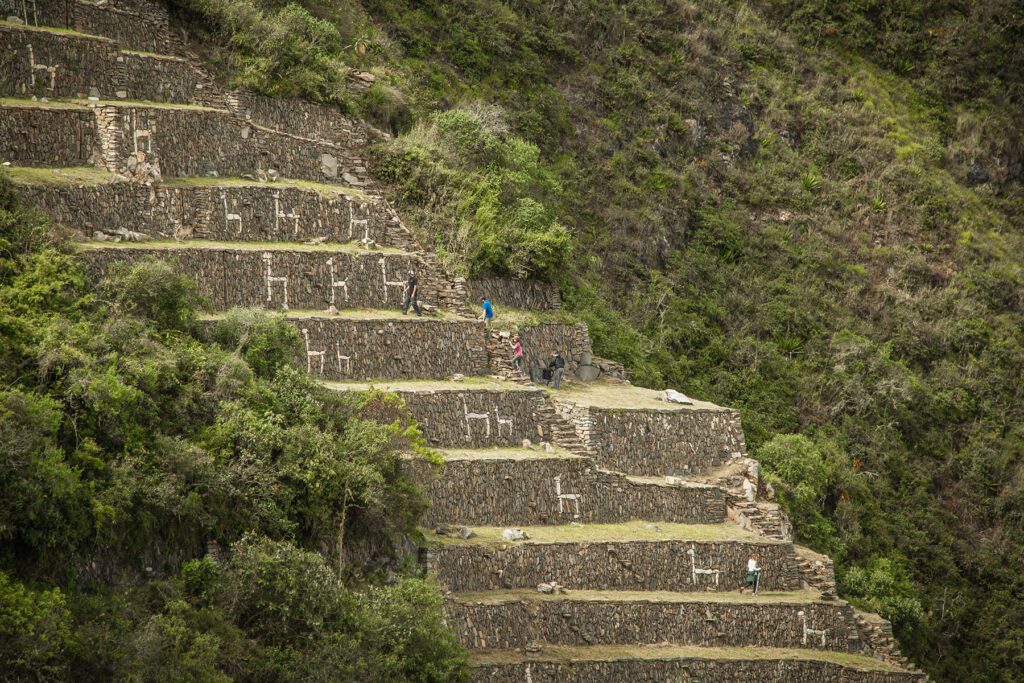
The classic Inca Trail is a four-day/three-night trek that begins at Piscacucho (also known as the Km 82 Trailhead) and ends when you enter Machu Picchu via Intipunku (the Sun Gate). The route begins at 2,653m, climbs to its highest point at Abra Warmiwañusca (about 4,200m), drops down to Pakaymayo, then climbs again to the second high pass (Abra Runkurakay, at 3,970m). From there, the terrain undulates towards Machu Picchu, perched at 2,430m above sea level.
Inca Trail Map and Stages
The classic route from Piscacucho to Intipunku is around 42km long and takes roughly 3.5 days of walking to complete. From the Sun Gate, the walk down to Machu Picchu citadel is around 1.5km (allow about 45 minutes). For a clear visual of how the trail unfolds and the terrain it covers, check out this comprehensive AllTrails map.
Day-by-day itinerary
Day 1: You’ll set off from Piscacucho and follow the historic stone path through the Urubamba Valley section of the trail, with the first major Inca sites appearing early in the trek at Llactapata/Patallaqta. By day’s end, you’ll camp in the Wayllabamba area. Distance covered: Roughly 12km.
Day 2: For most trekkers this is the hardest day as the route steepens, pushing up to Abra Warmiwañusca (about 4,200m) before a long descent into Pakaymayo. There are steep stairs on this climb and elsewhere along the trail, which is one reason it feels so physically demanding even when the distances aren’t extreme. For this night you’ll camp at (or near) Pakaymayo after covering around 11km throughout the day.
Day 3: From Pakaymayo you’ll climb to Abra Runkurakay (about 3,970m), then continue through a string of archaeological sites including Sayacmarca, Konchamarka and Phuyupatamarca, before continuing on to your evening campsite in the Wiñay Wayna area. Distance covered: Approximately 16km.
Day 4: You’ll get up early for your final 3km push to reach Intipunku, where you’ll enjoy your bird’s eye view of Machu Picchu before descending into it to explore its many archaeological wonders.
Notable landmarks along the trail
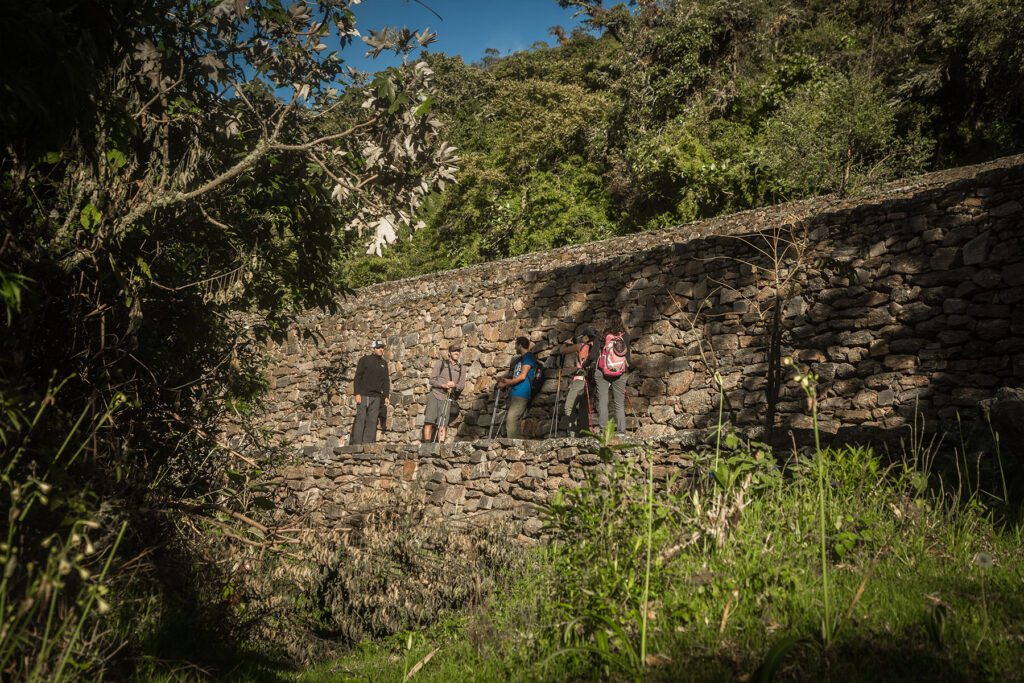
Apart from Machu Picchu, there are eight named archaeological sites along the route, with each bringing a sense of mystique and intrigue to keep your trek on track, even when you’re feeling a little puffed. Llactapata/Patallaqta is your early hint of the magic to come thanks to its picturesque agricultural terraces and ceremonial relics; Runkurakay is a circular waystation, positioned where the trail begins to feel more alpine; Sayacmarca sits dramatically on a rocky spur; Phuyupatamarca is the legendary ‘city above the clouds’ and Wiñay Wayna is one of the route’s most impressive complexes, thanks to its intricate terraces and ceremonial architecture. And, of course, Intipunku is the original gateway to Machu Picchu, hand-built with Incan ingenuity during the 15th Century.
From the condors of the Colca Canyon to the sacred wonders of Machu Picchu, our 11-day Insider Peru holiday showcases the authentic heart of this South American hotspot.
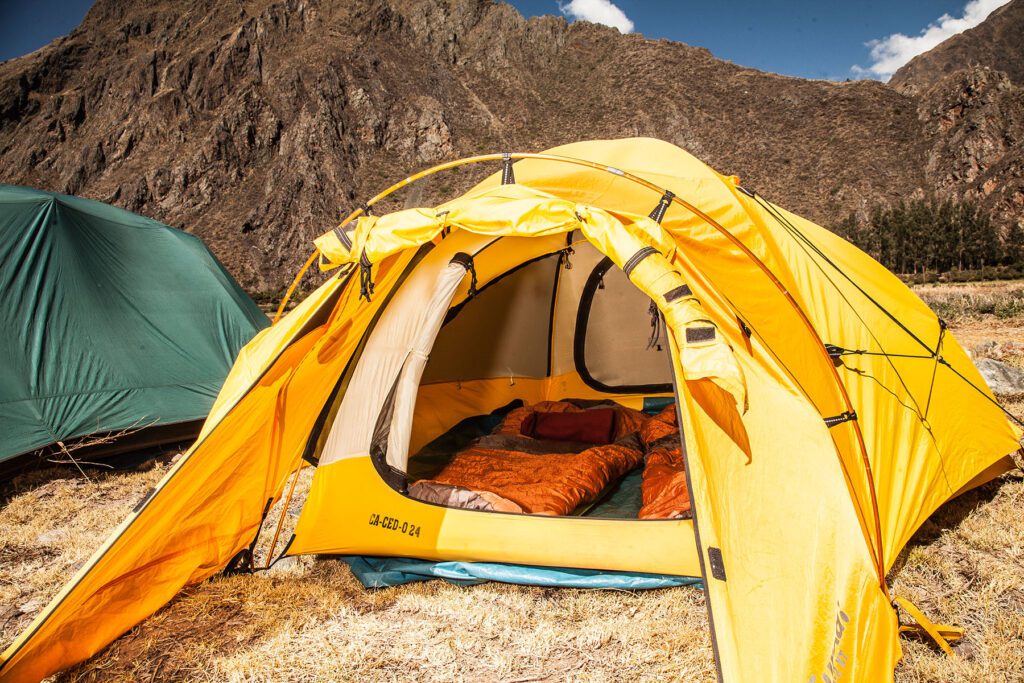
Accommodation and Facilities
Along with a three-night hotel stay, on Adventure World’s Inca Trail Trek holiday you’ll enjoy three nights of fully supported camping on the trail, as well as the stellar service of an expert trekking guide, professional kitchen crew, comfortable camping equipment, two-person tents, sleeping bags and porterage. Your food is taken care of too, (6 breakfasts, 4 lunches and 4 dinners), so once you roll into camp, you can kick back and relax while your local hosts handle all your creature comforts. If you’re curious about what kind of delicious fare might be on the menu, check out our story, What To Eat In Peru: 15 Must-try Dishes.
Prefer a solid roof over your head at day’s end? Our Salkantay Trek to Machu Picchu itinerary is your luxe lodge-to-lodge hiking option: among its myriad inclusions it boasts five nights of plush lodge accommodation, where hots showers, outdoor jacuzzis, massages and gourmet meals are your well-earned reward after a day on the trail.
How to Book the Inca Trail
As visitor numbers are capped and government-issued permits are required, Adventure World obtains these on your behalf as part of our customisable Peru itineraries, while also taking care of the logistics that bring your dream trek to life (including your on-ground support and accommodation). It’s worth noting that your official Inca Trail permit also includes a visit to Machu Picchu, and that a limited number of daily places is reserved specifically for Inca Trail visitors. These regulations are subject to change, but you should carry your passport and ticket at all times, as you’ll need to present them for entry and checks at Machu Picchu.
Fancy exploring the sacred citadel’s highlights minus the epic trek? Discover Machu Picchu by Rail.
Costs of Hiking the Inca Trail
With Adventure World, all your key costs are bundled into your trip price – including all accommodation, ground transport, your trek support team and many meals. Tipping is always a simple, effective way to MAKE TRAVEL MATTER®, and although it’s not always expected across Peru, it’s very much appreciated. In restaurants, 10-15 per cent is acceptable, and on multi-day treks, gratuities are usually pooled for the whole team and divvied out at the end of your adventure, so at a minimum you should aim for USD$10–12 per trekker, per day. Tips are best given in Peruvian Soles, although US dollars are often accepted (especially if your notes are clean and undamaged).
Preparing for the Inca Trail
Even if you regularly exercise and live a fairly active life at home, it’s worth training for the Inca Trail – not because the distances are huge, but because you’ll be climbing and descending uneven stone steps at an altitude of up to 4,200 metres, for several hours each day. So, aim for a mix of cardio (bushwalking, stair runs, cycling, and incline treadmill sessions) and strength training to build power in your legs, glutes, calves and core. For the most effective prep, consider a session with a fitness coach to build a plan to suit your pre-travel timeline.
Fitness Requirements
You don’t need to be a pro mountaineer, but you’ll definitely need to be comfortable with strenuous walking for several hours a day on a combination of steep, uneven surfaces and extended stair sections. You’ll need to see your GP before you travel too, not only to discuss how to avoid and treat potential altitude sickness, but also to accommodate any existing heart or lung conditions, high blood pressure, or other medical issues that could be complicated by remote hiking at altitude. If you have mobility challenges, Adventure World’s Destination Specialists are always on hand to discuss equally rewarding alternatives; simply call them on 1300 363 055 (AU) or 0800 238 368 (NZ).
Altitude sickness, acclimatisation and precautions
Altitude sickness happens when your body can’t adjust fast enough to reduced oxygen levels, and it becomes especially dangerous when you ignore your symptoms (such as headaches, nausea, dizziness and fatigue). So, for your best possible chance of a successful trek, build in some extra time in Cusco or the Sacred Valley to acclimatise before you hit the trail – spend those days resting, hydrating, and sticking to only gentle sightseeing.
If you develop a worsening headache, vomiting, severe breathlessness at rest, confusion, or have trouble walking in a straight line, treat it seriously and get help immediately – these can be red flags for severe altitude illness. At worst, you may need to be evacuated to a lower location or given supplemental oxygen; at best, you may find relief from the GP-recommended medication you’ve brought with you. Some travellers also turn to coca-based remedies (like lozenges or tea), but you should never treat these as a substitute for proper medical advice. Either way, your best bet is to stay mindful, never try to push onwards and upwards if you’re feeling symptoms, and seek help as soon as you can.
Staying Safe on the Trail
The main risks are slips and trips on steep stone steps (especially when they’re wet or if you have altitude-related fatigue); sun exposure and dehydration. Supportive hiking boots with good grip are absolutely essential for stability, and trekking poles are very helpful on both climbs and descents (although you can’t take them with you into Machu Picchu).
Travel Insurance Considerations
Many policies don’t automatically cover multi-day trekking or higher-altitude hiking unless you declare it, so always check the fine print before you commit. International medical evacuation cover is always worthwhile in remote trekking regions – speak to your preferred travel insurer to discuss your specific requirements.
Looking for a lesser-known route to Machu Picchu? Consider our Lares Adventure to Machu Picchu holiday.
Packing and Clothing Tips
Be prepared for changeable weather conditions by going for breathable base layers, a warm mid-layer for cold starts and high passes, and a waterproof jacket or poncho for showers. Also opt for supportive hiking boots that you’ve already broken in, a hat, sunglasses, sunscreen and insect repellent – but stick with pump bottles and tube-based creams as aerosols are prohibited in Machu Picchu. Other items that are banned in the ancient citadel include trekking poles, tripods, selfie sticks, large backpacks (measuring more than 40cm x 35cm x 20cm), food, alcohol, umbrellas and drones. Check out Machu Picchu’s official Code of Conduct for the complete list of dos and don’ts. Considering Adventure World’s Inca Trail Trek? Porterage is included for your supported camping set-up, so you can keep your on-trail kit simple: a small daypack for water, snacks, camera and layers.
Arriving at Machu Picchu
After three full days on the trail, you’ll reach Intipunku (the Sun Gate) where you can breathe in the sight of Machu Picchu and savour the satisfaction of completing one of the world’s most iconic treks. From there, it’s a steady descent into the entrance area, where your ticket, passport and bag are inspected, so keep your paperwork handy and your daypack streamlined.
Once inside, you’ll follow your allocated route through the citadel’s core spaces – think terraces, plazas and temples that offer an even deeper dive into Inca spiritual practices, daily life and ingenious architectural techniques.
Allow at least a couple of hours to explore (more if you tend to move slowly, stop for photos or are adding an extra short walk to your tour), and let your expert local guide help you decipher the archaeological wonder’s standout features – including the Temple of the Sun, the mystical Intihuatana stone and the sweeping agricultural terraces.
For a deeper dive into Machu Picchu’s extraordinary highlights, read our comprehensive guide, 14 Reasons Why You Should Visit Machu Picchu.
Follow in the footsteps of the Incas across Peru and Bolivia on Adventure World’s 11-day Inca Route Lima to La Paz journey.
Final Tips for a Successful Inca Trail Trek
- Australians and New Zealanders travelling to Peru as tourists generally don’t need a visa in advance, but as entry conditions can change at short notice, it’s essential to keep an eye on Smartraveller and Safe Travel for the latest rules and requirements
- As you travel you’ll need your passport on hand – you’re required to carry photo identification at all times in Peru, so you may be asked to show it at checkpoints.
- One of the best things about an Inca Trail trek is how easily it pairs with other adventures across Peru: stay a while longer to explore the Sacred Valley and Cusco, head south for a Nazca Lines experience, or discover the country’s wildest heart with a Peruvian Amazon cruising holiday extension. Whichever side quest you pair it with, you’ll quickly realise your Inca Trail adventure is so much more than the scenic route to the world’s most celebrated finish line. It’s about stepping into ancient footprints and exploring an Andean world shaped by ingenuity, belief and extraordinary ambition – and feeling on top of the world, in more ways than one.
Book your ultimate Inca Trail adventure today
Visit Adventure World online to explore our complete range of extraordinary Peru holidays, or call our Destination Experts on 1300 363 055 (AU) or 0800 238 368 (NZ) to create a bespoke journey tailored to your interests.