

Recently updated on October 2nd, 2026 at 05:46 am
Canada in winter is all about stepping into a transformed world. Snow softens mountain peaks, forests are blanketed by white, and frozen lakes become places to walk, skate and explore. For those of us used to warm summers and beach escapes, Canada winter travel offers something genuinely different: immersive landscapes, rare natural phenomena and seasonal experiences that don’t exist at any other time of year.
From the snow‑covered Rockies to the sub-Arctic fringe, from magical, historic cities glowing with winter lights to remote lodges beneath the shimmering aurora, winter holidays in Canada reward those willing to embrace the season. This is slow travel, big scenery and unforgettable moments.
Why Choose a Winter Tour in Canada
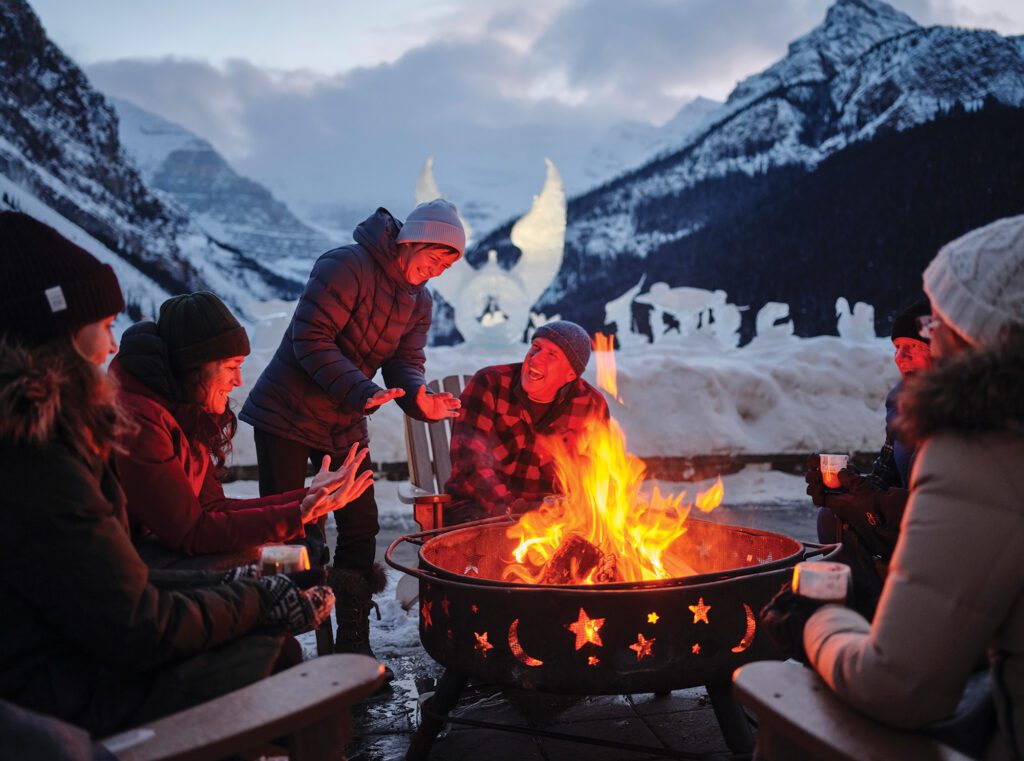
Travelling to Canada in winter means you will see the country at its most atmospheric. While summer showcases Canada’s scale and grandeur, winter reveals its soul. Walking through a winter landscape feels truly enchanting. The soft crunch of snow beneath your feet, trees draped in white, frozen lakes glistening, gentle flurries in the air and icicles forming in stillness. It’s the kind of perfect scene you’d expect to find on a Christmas card.
Yet in Canada, this isn’t just a dreamlike image; it’s an experience you can step straight into during the winter months. Snow reshapes the landscape entirely. Alpine valleys become hushed and dramatic, frozen lakes turn into natural walkways, and forests sparkle under layers of frost. Wildlife movements change, skies darken for longer, and one of nature’s greatest spectacles – the Northern Lights – becomes visible across vast northern regions.
Canada is a country expertly equipped for cold‑weather travel, with warm lodges, comfortable trains, expert guides and well‑paced itineraries designed around safety. Roads, railways and national parks remain accessible, while winter activities such as snowshoeing, ice skating and dog sledding allow you to engage with the environment, not just observe it.
Travelling to Canada in winter gives the chance to see animals that are otherwise difficult to see during the rest of the year. While many do head south or go into hibernation, some do the opposite and become more active in the winter. The iconic moose does not hibernate, nor the caribou, bison, mountain goats or lynx.
There is also a sense of exclusivity. Compared to peak summer months, winter brings fewer crowds, especially in iconic locations. This creates more intimate encounters with nature and local culture, whether you’re staying beside a frozen alpine lake or sharing stories with guides in a wilderness lodge.
Most importantly, winter in Canada feels purposeful. You’re not avoiding the cold; you’re travelling because of it.
Where To Go
1.Banff & Lake Louise – Snow–Covered Peaks and Frozen Lakes
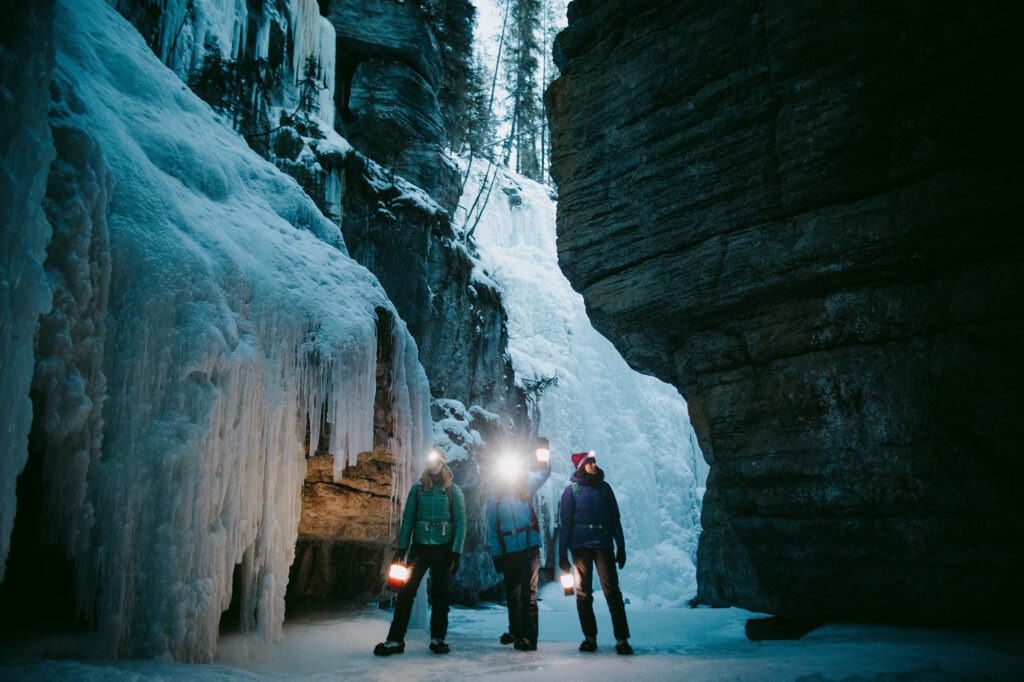
Few places depict the iconic Canadian winter vision quite like Banff and Lake Louise. Set in the heart of Banff National Park, this region is a real‑life snow globe once winter arrives with jagged peaks dusted with snow, pine forests frosted white, and turquoise lakes frozen solid beneath mountain backdrops.
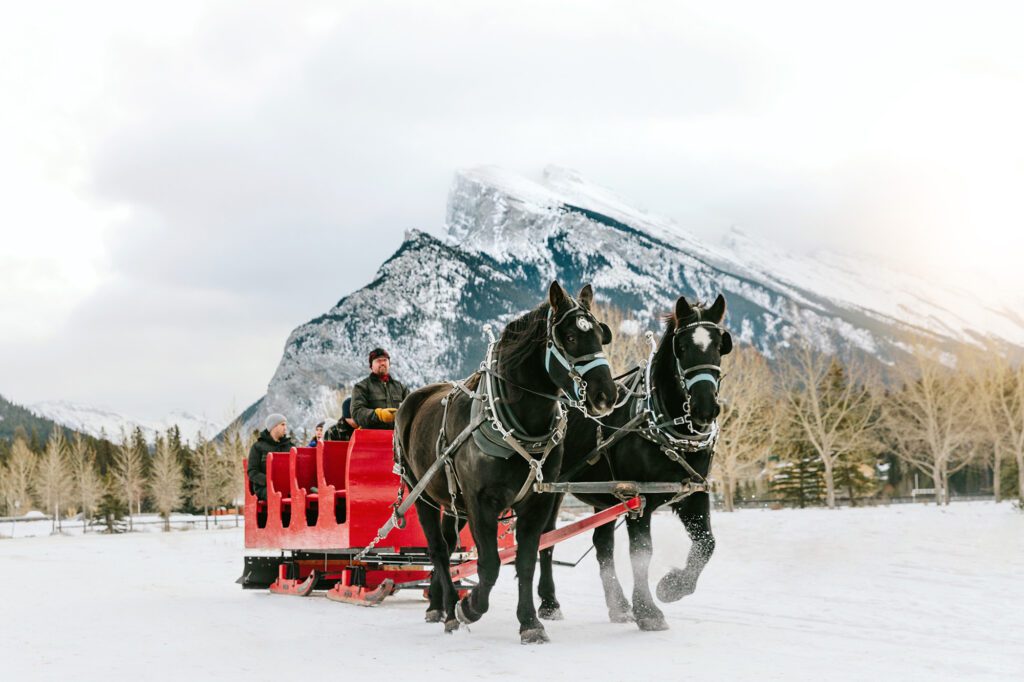
By mid-winter, the lake freezes completely, allowing visitors to walk across its surface or take a horse-drawn sleigh ride along the shoreline. It’s one of those rare moments where scale, silence and scenery combine to create moments that are genuinely awe-inspiring.
Beyond the lake, there are countless things to do in Banff in winter that don’t revolve around skiing. Snowshoeing trails wind through forests and along riverbanks, guided tours reveal how wildlife adapts to the season, and sightseeing gondola rides offer a relaxed way to take in the scenery. These slower, immersive activities align perfectly with travellers seeking connection rather than adrenaline.
Accommodation adds to the magic. The Fairmont Chateau Lake Louise is one of Canada’s most iconic winter properties, sitting directly on the lake’s edge. Wake to snow falling softly outside your window, with the lake frozen below. It feels less like a hotel stay and more like stepping into a postcard.
Many Banff winter itineraries, including Adventure World’s Authentic Canadian Winter Wonderland, combine Banff, Lake Louise and the iconic Icefields Parkway with thoughtful pacing and expert guiding, allowing travellers to experience the Rockies at their most serene.
2. Jasper – Wildlife and Dark Sky Wonders
For those who love Banff’s scenery but also crave a more remote feel, Jasper adds another dimension to the Canadian Rockies experience. Larger and wilder in scale, Jasper National Park is defined by vast alpine valleys, frozen lakes and snow-covered forests, with winter bringing a deep sense of stillness and connection to the surrounding wilderness.
Winter is an excellent time for wildlife viewing in Jasper. Elk are frequently seen in open valleys, while wolves, coyotes and bighorn sheep remain active throughout the higher alpine. With fewer visitors and animals more visible against snow-covered ground, particularly at dawn and dusk, encounters can feel especially memorable.
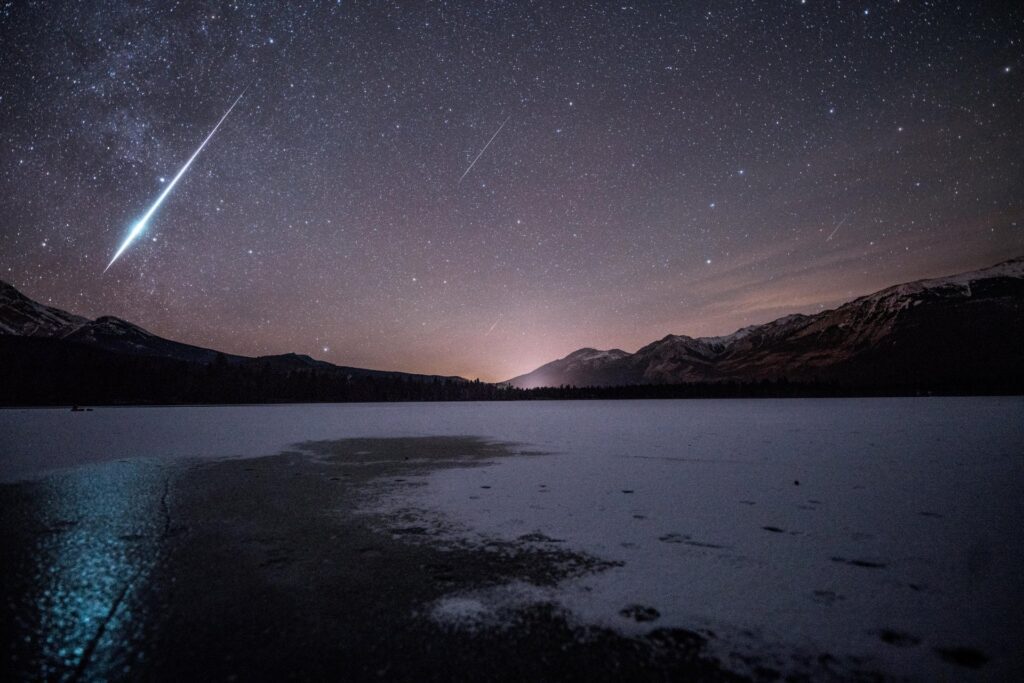
Jasper is also the world’s second‑largest Dark Sky Preserve, making it ideal for stargazing on clear winter nights. Long hours of darkness and crisp, dry air create excellent viewing conditions, whether you’re watching constellations emerge or catching early‑season aurora further north.
Set beside the frozen shores of Lac Beauvert, Fairmont Jasper Park Lodge offers one of Jasper’s most iconic winter stays. The lodge’s cedar chalets and lakeside setting feel especially atmospheric beneath fresh snow, while activities such as skating, snowshoeing and cosy evenings by the fire make it an ideal base for experiencing the magic of the Canadian Rockies in winter.
Jasper in winter appeals to travellers who value space, silence and authenticity. While it pairs beautifully with Banff as part of an itinerary like Winter Delights, Jasper stands confidently on its own as a destination where winter feels raw, peaceful and deeply immersive.
3. VIA Rail Winter Journey – Cross Canada by Train
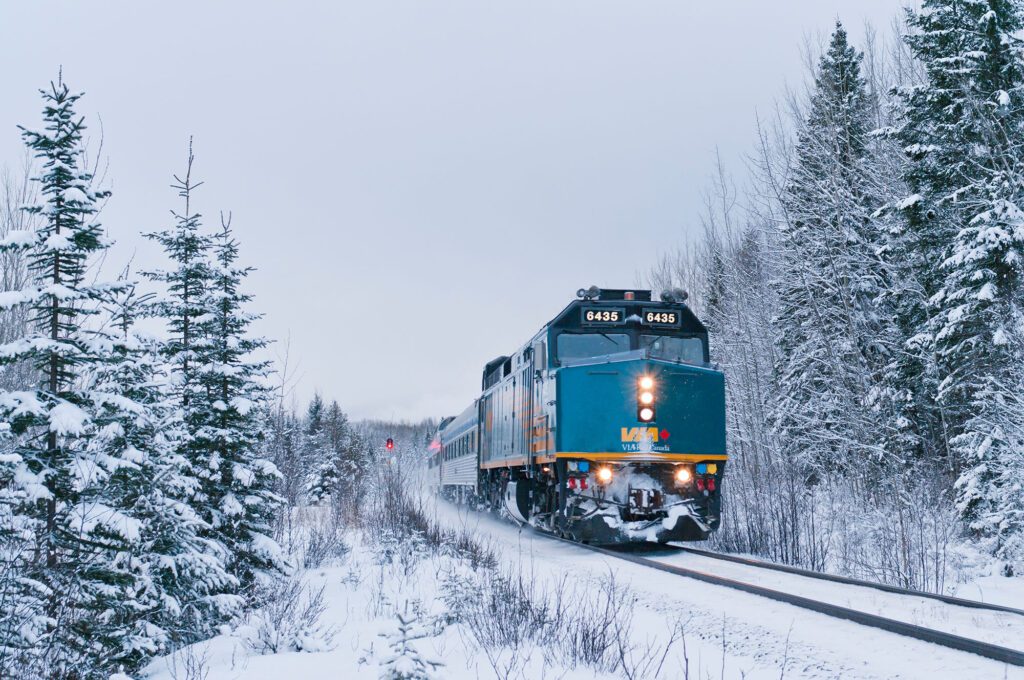
Winter may slow road travel in Canada, but it is the perfect season for rail journeys. Travelling by train allows you to stay warm and comfortable while watching snow‑covered landscapes unfold outside panoramic windows.
Adventure World’s winter itineraries focus first on The Snow Train, travelling between Vancouver and Jasper. This route winds through coastal mountains, river canyons and snow‑laden forests, offering one of the most scenic Canadian train tours in winter. As the train climbs into the Rockies, frozen rivers and powdered peaks dominate the view, turning the journey into an experience.
For those wanting to explore further, VIA Rail Canada winter journeys extend across the country on The Canadian Route, linking Vancouver and Toronto over 96 hours. It’s one of the world’s great rail experiences, particularly in winter when the scale of the country feels even more pronounced under snow. The route spans five provinces, offering an unforgettable cross-country perspective, with stops in key cities and striking natural landmarks. This is a leisurely, immersive alternative to flying.
Train travel in Canada’s winter also offers a unique appeal: warm cabins, relaxed dining, the gentle rhythm of slow movement and the chance to witness landscapes that few see from the ground. The seamless connection between Western and Eastern Canada, make cross-country train travel in Canada in winter an ideal backbone for longer explorations.
4. Yukon – Northern Lights and Remote Winter Wilderness
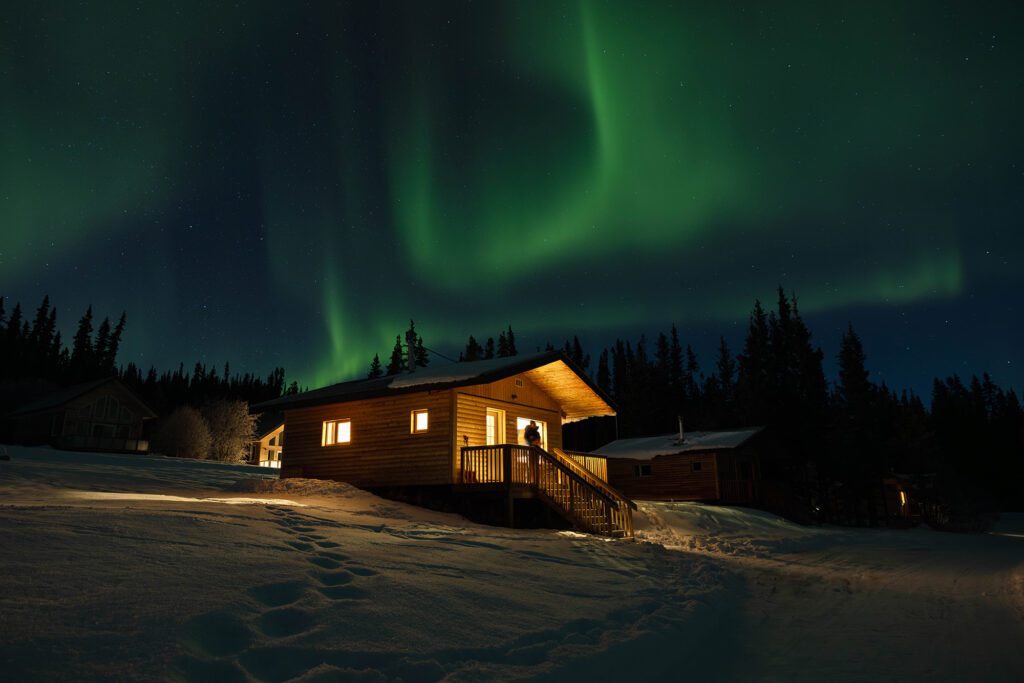
The Yukon is where winter becomes elemental. Vast, sparsely populated and stretching deep into Canada’s northwest, it is one of the country’s most reliable regions for viewing the aurora. In fact, based on the 2024/2025 winter season, our local supplier recorded a 96.37% success rate for guests viewing the aurora over two nights, 99.9% over three nights, and an incredible 100% over four nights.
Yukon Northern Lights tours focus on timing, patience and location. Clear skies, minimal light pollution and long nights create prime conditions from late autumn through to early spring. Watching the Northern Lights ripple above frozen rivers and snow‑covered forests is a profoundly humbling experience. It’s silent, raw and unforgettable.
Beyond aurora viewing, Yukon winter travel offers hands-on experiences that define the region. Dog sledding through forest trails connects travellers with a long history of northern transport, while snowshoeing and guided tours reveal how daily life is managed by the residents in extreme conditions.
Accommodation usually takes the form of remote lodges and wilderness stays, where evenings are spent watching the sky and days are shaped around the environment. Adventure World’s Northern Lights of the Yukon itinerary is designed to maximise time beneath the aurora while ensuring comfort, knowledgeable guiding and respectful engagement.
5. Northwest Territories – Arctic Aurora Experiences
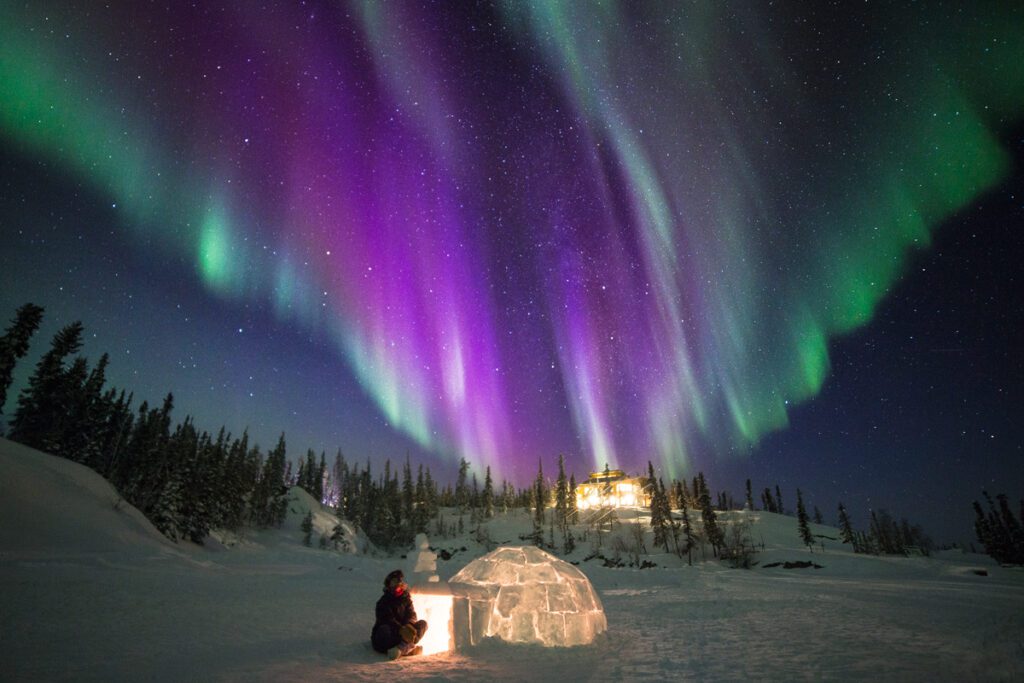
If the Yukon is remote, the Northwest Territories are true sub-Arctic regions. Yellowknife is positioned on the edge of Great Slave Lake, and this region is considered one of the best locations on Earth for aurora viewing.
Yellowknife in the Northwest Territories is consistently placed at the top of Northern Lights experiences and considered among the most dependable globally. This is thanks to frequent clear nights and a position directly under the auroral oval. Yellowknife Northern Lights tours offer nights spent aurora‑watching with daytime spent on activities such as dog sledding, ice fishing and ice skating – just to name a few.
The landscape in Yellowknife is stark and beautiful. You’ll gaze upon vast frozen waterways, low winter sun and wide‑open skies. There is a strong focus on Indigenous experiences, offering cultural insights into traditional northern life and survival through storytelling, guided outings and shared meals.
The Northwest Territories bring a distinctly sub-Arctic feel to a Canadian winter journey, with expansive skies, remote landscapes and a powerful sense of place. Different to the Yukon’s forested wilderness and mountain-framed landscapes, the region offers its own distinct and unforgettable backdrop for aurora viewing.
6. Québec City & Ice Hotel – Europe Meets Winter Wonderland
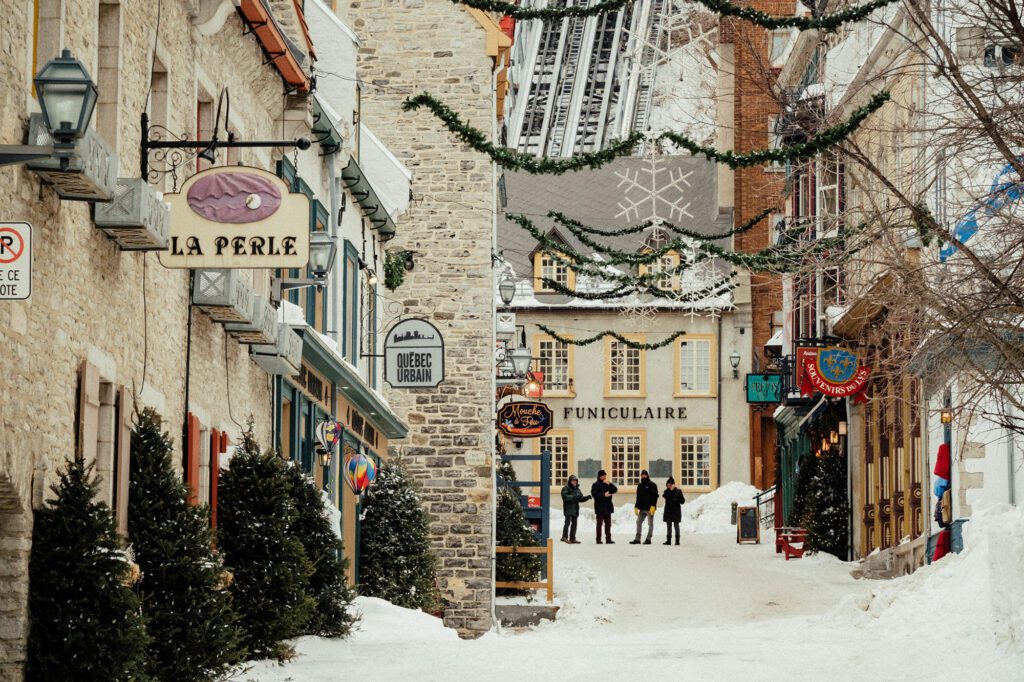
In Canada’s east, winter feels entirely different. Québec City in winter is romantic, festive and richly atmospheric, combining old world architecture with seasonal traditions.
Cobblestone streets in the historic Old Town glow under lamplight, snow clings to stone walls, and cafés feel especially inviting after time outside. Winter is when the city leans into its identity, celebrating its frosty environment rather than hiding from it.
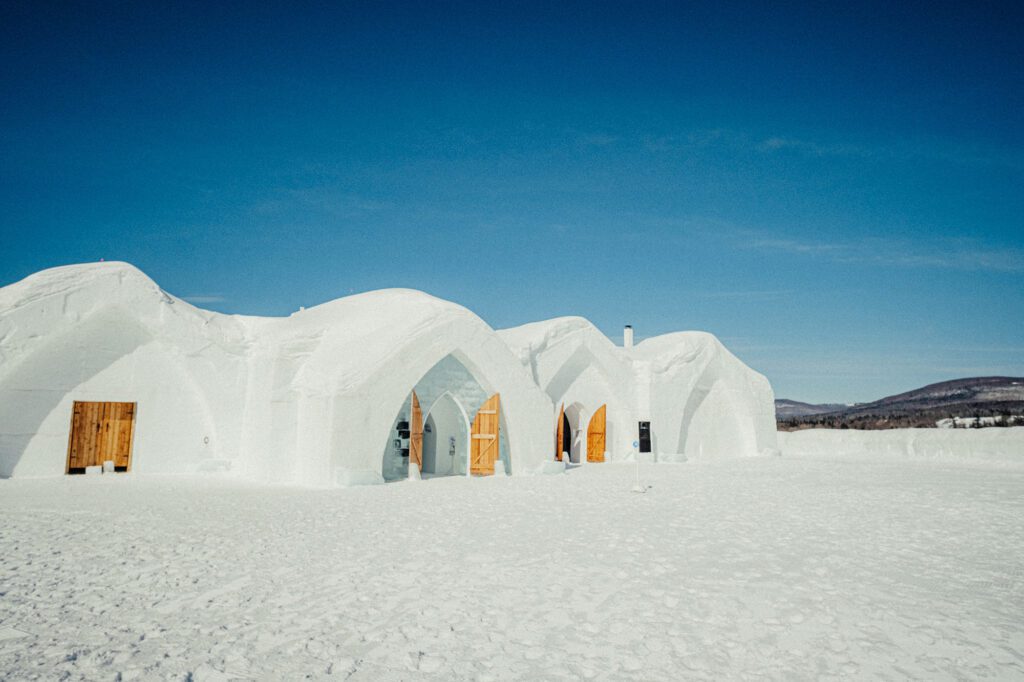
Just outside the city sits one of Canada’s most distinctive winter accommodations: the Hôtel de Glace. Rebuilt each winter entirely from ice and snow, it features intricately carved rooms, ice corridors and sculpted artwork. Spending a night here is both surreal and surprisingly comfortable, with insulated sleeping systems and warm communal areas.
Depending on timing, visitors may also encounter the Québec Winter Carnival, one of the world’s largest winter festivals, complete with parades, snow sculptures and lively street activities.
Adventure World’s Winter in Quebec combines the highlights of the region with thoughtful logistics, including the ease of catching a VIA Rail train from the Ice Hotel area back to Montréal – a fittingly scenic and relaxed way to conclude an eastern winter journey.
FAQs About Canada Winter Tours
Where can you see the Northern Lights in Canada?
Canada offers several excellent Northern Lights regions. The most dependable include the Yukon, the Northwest Territories (especially Yellowknife), and parts of northern Manitoba. Churchill, Manitoba is another notable destination, known not only for aurora viewing but also for its strong wildlife heritage. While Churchill is famously associated with polar bears in autumn, winter brings clear skies and powerful auroral displays. It’s also a region where Adventure World is continuing to grow its winter experiences, with itineraries such as Manitoba’s Wild Winter Magic showcasing a different side of Canada’s north.
Is Canada worth visiting in winter?
Absolutely! Wintertime is one of the most rewarding times to visit Canada, particularly for travellers seeking unique experiences. Snow transforms the landscape, wildlife behaviour changes, cultural festivals come to life, and Northern Lights viewing becomes possible. With excellent infrastructure and experienced guides, Canada in winter feels purposeful and immersive rather than challenging.
How cold does Canada get in winter?
Temperatures vary widely depending on region. Mountain areas such as Banff and Jasper often sit between -5°C and -15°C, while northern regions like the Yukon and Northwest Territories can drop lower. However, the dry cold often feels more manageable than expected, and accommodation, transport and activities are all designed for warmth and comfort.
What should I pack for a Canada winter trip?
Layering is key. Thermal layers, a quality winter jacket, waterproof boots, gloves, a beanie and scarf are essential. Many tours also provide specialised outerwear for activities like dog sledding or aurora viewing which is essential in the sub-Arctic regions of Whitehorse and Yellowknife, or they can be rented locally. Proper preparation ensures you stay warm and comfortable while fully enjoying outdoor experiences.
Plan Your Canadian Winter Adventure
Canada in winter is about embracing a season that defines the country’s character. From snow‑draped mountain parks and historic cities to Arctic skies alive with colour, winter offers experiences that summer simply can’t replicate.
Adventure World’s carefully curated winter itineraries balance comfort, depth and authenticity, ensuring you experience the best of winter holidays in Canada without compromise. Whether you’re drawn to frozen lakes, slow train journeys or the magic of the Northern Lights, now is the time to start planning.
Your Canadian winter adventure awaits. Explore Adventure World’s itineraries here.
Plan your tailor-made Canada holiday
Inspired to explore Canada? Adventure World’s itineraries are a starting point for a journey tailored to your interests, travel dates and preferred pace. Explore our Canada itineraries, or call our Destination Specialists on 1300 363 055 (AU) or 0800 238 368 (NZ) to start planning.