

Recently updated on October 1st, 2026 at 02:38 am
Calling Iceland the ‘Land of Fire and Ice’ is no exaggeration. Small in size but colossal in contrasts, the island is home to at least 130 volcanoes, 269 glaciers, and more outdoor adventure options than there are puffins on Lundey (hint: far too many to count).
Floating between Greenland and Norway in the brisk North Atlantic, the country’s home to only 388,000 people, with most of them living in and around the capital, Reykjavík, in northern Akureyri and eastern Egilsstaðir (check out this map to get your bearings). Along with the geothermal Blue Lagoon, must-see sites like the Golden Circle, Jökulsárlón and the Snæfellsnes Peninsula draw visitors year-round. So too do its three national parks, including UNESCO-listed Þingvellir, Surtsey Island, and the ice-cave-dotted landscapes of Vatnajökull National Park. And while Iceland’s culture is steeped in Norse and Viking influences, the seasons here have had an equally profound impact on daily life: round-the-clock daylight in June, almost total darkness through December, with winter temperatures dipping to -10°C in the north and summer highs of 20-25°C in the south.
Whether you’re chasing the northern lights, planning whale-watching experiences or hoping to hike under the midnight sun, read on to discover when to visit Iceland to suit your pace, priorities and sense of adventure.
Best Time to See the Northern Lights in Iceland
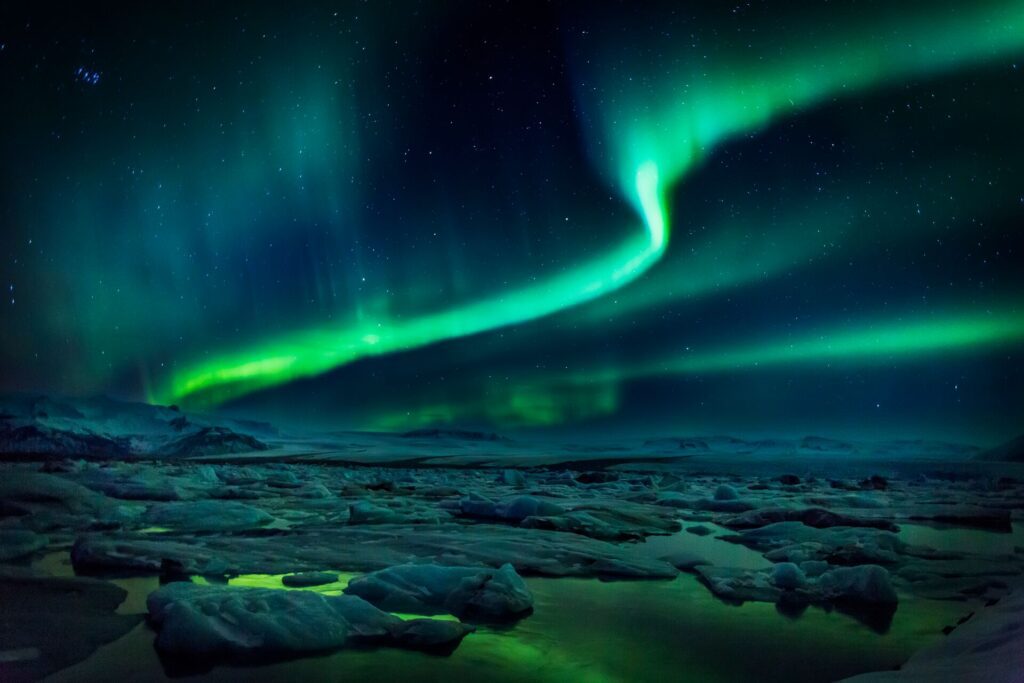
Generally visible from September to April (if/when she’s in the mood), Lady Aurora is one of Iceland’s best renowned natural wonders. Thanks to the country’s Arctic latitude, low light pollution, and clear winter skies, the island is one of the world’s best places to see the aurora borealis – known locally as Norðurljós. In Viking-era folklore, the lights were seen as dancing spirits or celestial battles between gods, and they still carry a sense of power and unpredictability today.
Auroras appear in many colours, but green is most common in Iceland, sometimes with flickers of pink, violet or white. December and January offer the longest nights, but September, October and March often bring clearer skies and milder weather. For ideal viewing conditions, head to remote regions like the Snæfellsnes Peninsula – easily accessible from Reykjavík – and Borgarfjörður Eystri in the east, where cloud cover is typically low. Lake Mývatn also has excellent conditions from autumn through to early spring. There’s never a guarantee, but keep an eye on aurora forecasts, dress for sub-zero nights, and consider a guided excursion to maximise your experience. Want more planning tips? Read our The Best Times and Places to See the Northern Lights blog.
Experience glaciers, hot springs and authentic local culture on our South Iceland Glacier Vistas small group tour.

Best Time for Whale-Watching in Iceland
With nutrient-rich Arctic and Atlantic currents, Iceland’s coastal waters set the scene for some of Europe’s most reliable whale-watching adventures. Between May and August, more than 20 species migrate here to feed in the cool, plankton-rich seas – though some, like minke whales and harbour porpoises, can be spotted year-round. The country’s best-known whale–watching hub is Húsavík, where summer brings humpbacks, minkes, white-beaked dolphins and, occasionally, blue whales, to Skjálfandi Bay. You can also take cruises from Reykjavík, Akureyri, Dalvík, and Hauganes, or head to Stykkishólmur on the Snæfellsnes Peninsula. Humpback whales are the most common sightings across all regions from late spring to early autumn, while blue whales sometimes appear near Húsavík in June–July, and with Iceland’s long summer daylight hours, you’ll have plenty of time to spot that telltale spout on the horizon.
On our 10-day Complete Iceland journey, you’ll Immerse in Iceland’s most iconic sites with a circle trip of the island.
Best Time for Hiking and Outdoor Activities
From glacier walks and lava tubes to tectonic rifts and waterfalls, Iceland’s landscapes are tailor-made for adventure – and the long daylight hours between June and August make them a true summer outdoor playground. This is when roads through the interior highlands open, allowing access to remote wilderness areas like Laugavegur and Þórsmörk. It’s also the best time to explore by mountain bike, via quad-bike tours near Hvolsvöllur and the foothills of the Eyjafjallajökull volcano, or on foot. Throughout the country, most hikes are moderate to challenging, with a mix of lava fields, rugged ridges, volcanic slopes and glacial valleys.
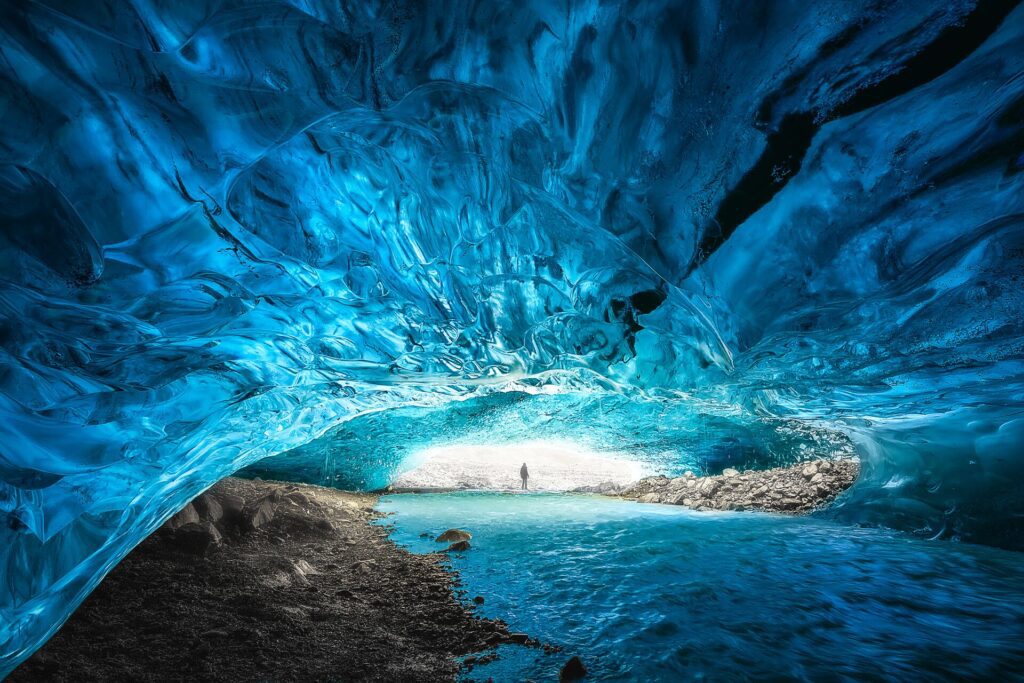
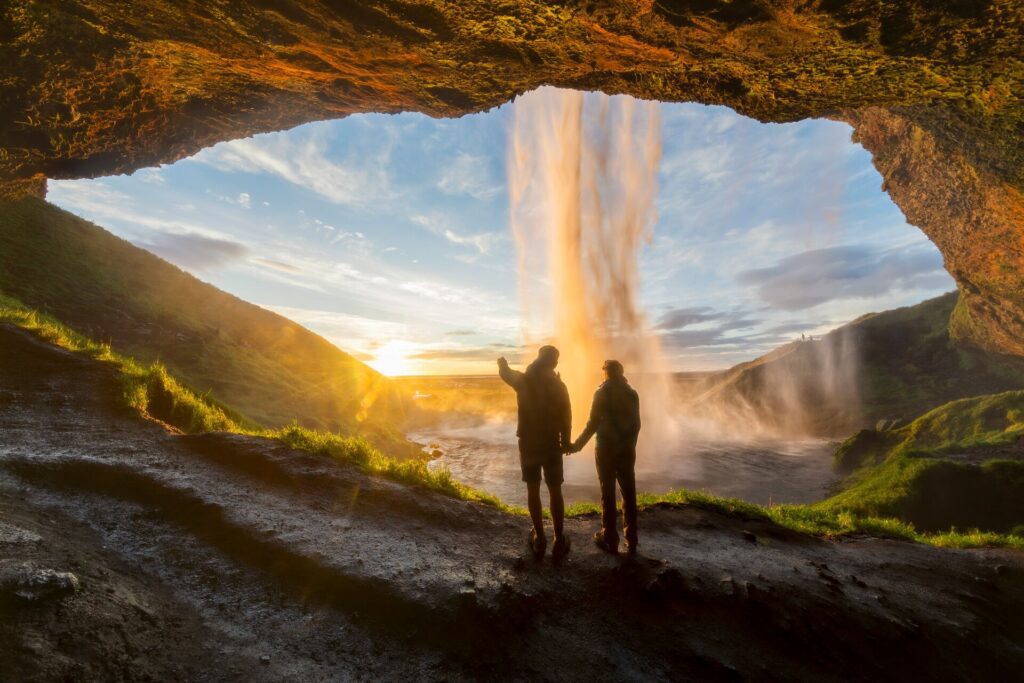
In Vatnajökull National Park, you can take guided summer hikes on parts of Europe’s largest glacier, but for ice-caving, come between January and March, when its frozen caverns are most stable. Prefer to dive into a new adventure? Snorkel or dive the Silfra Fissure in Þingvellir National Park year-round, where you float between tectonic plates in crystal-clear meltwater. Kayaking is especially popular during summer in the Westfjords and at Jökulsárlón Glacier Lagoon, while Skógafoss, Seljalandsfoss and Lake Mývatn remain sought-after stops for photographers and nature lovers all summer long.
Best Time for Great Deals and Fewer Crowds
To side-step the throngs and get better bang for your krona, visit during the shoulder months of April to early May and late September through November, when visitor numbers drop and prices ease. The quietest months overall are November to February. During these times, flights and accommodation – especially outside Reykjavík – are generally more affordable, and you’ll find better availability at sought-after spots like the Blue Lagoon, Jökulsárlón, Lake Mývatn, Þingvellir National Park, and the South Coast’s waterfalls including Seljalandsfoss and Skógafoss. Iconic Golden Circle highlights such as Gullfoss and Geysir are also easier to enjoy without the summer rush. Even in Reykjavík, dining and day tours tend to be easier to book and occasionally offered at seasonal rates.
Adventure World’s self-drive Leisurely South Iceland holiday is your chance to explore the Golden Circle, South Shore, Glacier Lagoon and other highlights – all at your own pace.
Month-by-Month Guide to Visiting Iceland
Iceland is worth visiting all year round – but what you see, do and experience can vary dramatically by month. Read on to find the best time for your trip, based on weather, wildlife, daylight and the kind of adventures you’re after.
January – Northern Lights and Winter Adventures
January is Iceland’s coldest, darkest month. Expect average temperatures between -3°C and 2°C in Reykjavík, with northern towns like Akureyri often dipping below -10°C. Daylight is minimal – just 4-5 hours in the south and even less in the north – making this prime aurora-viewing season with Þórsmörk, Borgarfjörður Eystri, and Lake Mývatn offering some of the darkest skies and driest conditions. Ice caving in Vatnajökull is at its best now, while glacier hikes and climbing tours operate from Skaftafell and Jökulsárlón. Snowmobiling across Langjökull is popular, and guided expeditions into the remote Westfjords are possible, though conditions can be extreme.
February – Snow Sports and Hot Springs
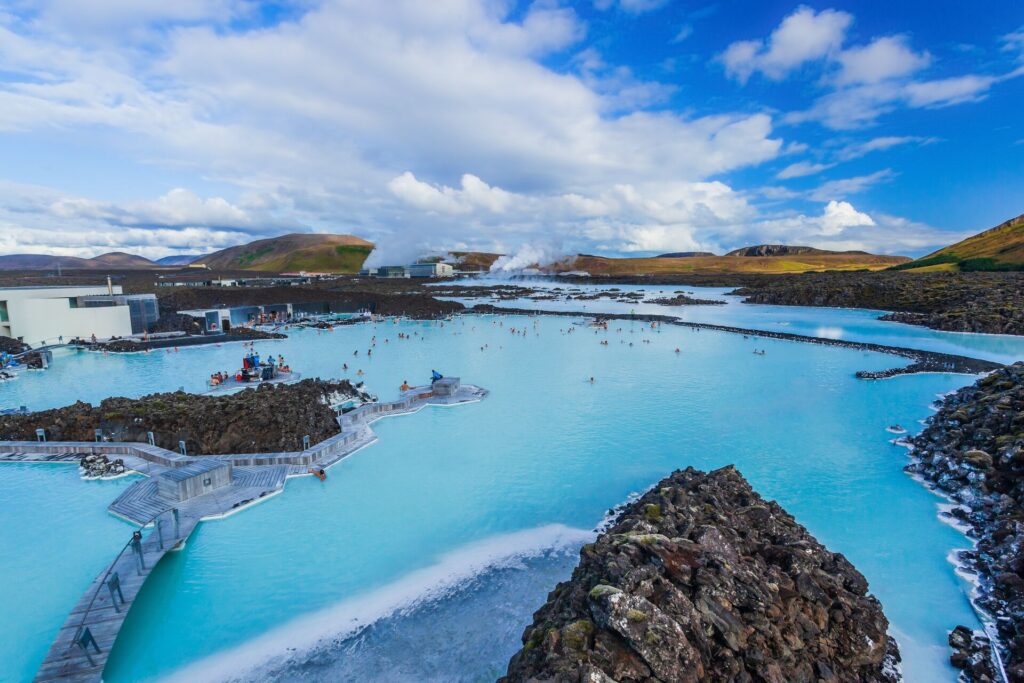
With slightly longer days and deep winter still in full swing, February is ideal for pairing snow sports with warm-water soaks. Daylight stretches to 7-8 hours, with temperatures hovering between -2°C and 3°C in Reykjavík, while the north and inland regions remain colder. Cross-country skiing and snowshoeing are popular on the Tröllaskagi Peninsula and around Ísafjörður in the Westfjords. Closer to the capital, the Blue Lagoon is especially appealing in February; but, for a quieter soak, head to the Mývatn Nature Baths or the Secret Lagoon. The aurora remains active, with good viewing conditions in the Eastfjords and other rural areas with dark skies.
March – Late Winter and Increasing Daylight
March straddles the end of winter and the start of spring, with 10-12 hours of daylight and average temperatures of 0°C to 4°C in Reykjavík. In northern towns like Húsavík and Akureyri, temperatures often remain below freezing, and snow still blankets much of the landscape. It’s worth rugging up and heading outside: March is one of the best months for aurora sightings, particularly around Akureyri, Húsavík, and the Snæfellsnes Peninsula, where skies are dark and conditions often clear. Ice-caving and glacier hiking tours continue in Vatnajökull National Park, especially near Skaftafell and Jökulsárlón, but, if you prefer to explore indoors, Reykjavík’s National Museum of Iceland, the Saga Museum, and the famously offbeat Icelandic Phallological Museum are all stellar ways to discover the local culture.
April – Quiet Shoulder Season
April is the start of Iceland’s shoulder season, with crowds and prices still low compared to the summer peak. Although it’s officially spring, the weather remains unpredictable, and you can expect 2°C to 7°C in Reykjavík. While the snow lingers in the north and central highlands, the south – including the Golden Circle and South Coast – begins to defrost first, revealing waterfalls, mossy cliffs and black-sand beaches. Remote interior roads are still closed, but Skógafoss, Seljalandsfoss, and Reynisfjara are accessible – and with fewer tour buses around, they’re extra memorable. Nature also starts to stir this month, with migratory birds like pink-footed geese and Arctic terns returning to estuaries and coastal cliffs, and seals seen sunning themselves along the Snæfellsnes Peninsula.
May – Blooming Landscapes and Fewer Tourists
This is a calm period between snow and summer crowds, with longer days (16-20 hours of daylight) and a sense of renewal in the air. Reykjavík averages 4°C to 10°C, with south and west Iceland warming faster than the still-chilly north and highlands. Spring flowers start blooming along the south coast, in Þingvellir, and around Skaftafell. Visitor numbers are still low, and while most major roads are open, routes into the highlands typically stay closed until June. Seabirds including kittiwakes and guillemots return to nesting cliffs, especially around Látrabjarg in the Westfjords and, while puffins usually arrive later in the month, early sightings are sometimes reported at Dyrhólaey near Vík.
June – Midnight Sun and Full Access to Trails
June marks the beginning of the Icelandic summer: school holidays start, visitor numbers swell, there’s near 24-hour daylight in the north and over 20 hours in Reykjavík. Temperatures range from 8°C to 15°C, with the south and west typically warmest. Up for an outdoor adventure? Húsavík offers peak whale watching now, with humpbacks, minke whales and blue whales all feeding in nutrient-rich waters. Back on land, the highland roads usually start opening from mid-month, giving access to the interior’s wilderness areas and remote hiking trails. The season’s first trekkers head to Landmannalaugar, Þórsmörk and the East Fjords, while mountain-biking and quad-biking routes open near Hvolsvöllur and around Eyjafjallajökull’s foothills.
With 8 days of relaxed self-drive touring, the fully customisable Ring Road Highlights journey circuits the country in an anticlockwise direction and covers all its key attractions.
July – Peak Season for Hiking and Festivals
July is the prime of Iceland’s summer, offering the warmest, most stable weather of the year. Temperatures hover between 10°C and 20°C, with the Westman Islands and south coast basking in the most sunshine. School holidays keep popular sites like the Golden Circle and South Coast busy, so for quieter trails, head west to Snæfellsnes or deeper into the Westfjords. The highlands are fully open now too, setting the scene for multi-day hikes across Laugavegur. Around the country, festival season peaks: Reykjavík begins its Pride celebrations, the Eistnaflug metal festival takes over Neskaupstaður in the Eastfjords, and in the north, Siglufjörður draws revellers with both its Folk Music Festival and the quirky Herring Festival.
August – Puffin Watching and Pleasant Weather
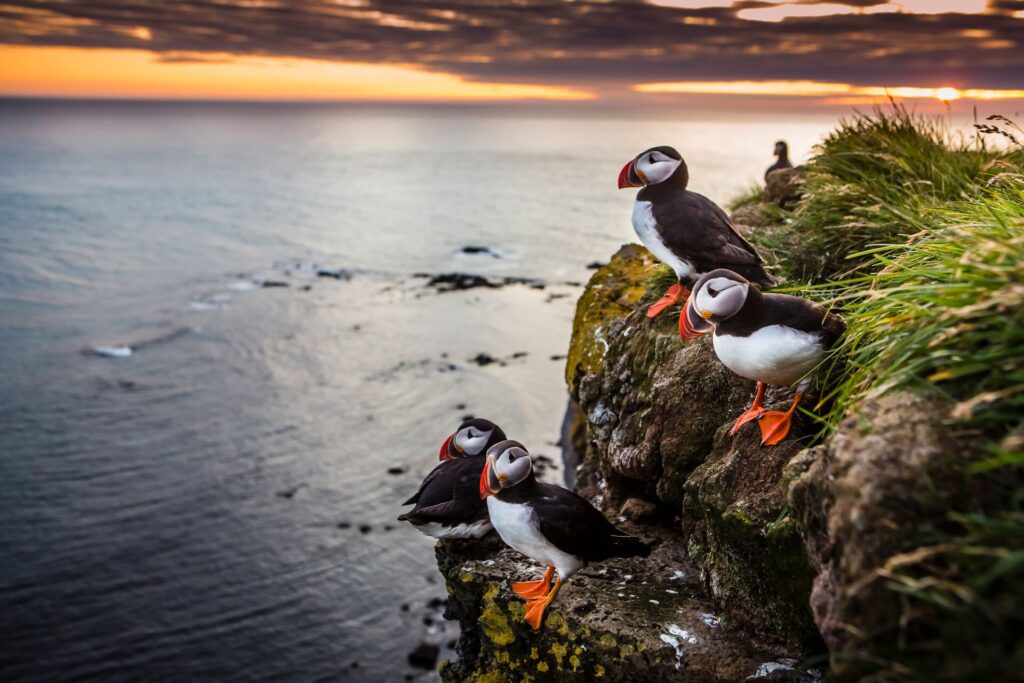
Iceland’s mild, stable summer weather continues through August, with 14-17 hours of daylight and average temperatures if 10-15°C. The south and southeast remain warmest, and road conditions are ideal for exploring. Reykjavík buzzes during Menningarnótt (Culture Night), when concerts, fireworks and local arts fill the streets. Nature-wise, this is prime puffin-viewing season, so head to Látrabjarg in the Westfjords, Heimaey Island in the Westman Islands, and Dyrhólaey on the south coast. Lundey ‘Puffin Island’ is the closest seabird colony to Reykjavík, accessible via boat from the city harbour. Húsavík and Akureyri continue to offer excellent whale watching, with humpbacks and minkes still feeding in coastal bays.
Planning an Iceland journey in 2027? Each season reveals a different side of the country, from winter’s northern lights and snow-covered landscapes to summer’s long daylight hours, wildlife and self-drive adventures.
September – Autumn Colours and Fewer Crowds
September signals the start of autumn, with crowd levels easing after the peak travel season. Daylight drops to 11-14 hours, and temperatures hover between 5°C and 10°C. While early September is typically snow-free, higher-elevation roads begin closing toward the end of the month. This is prime time for autumn colours, especially around Lake Mývatn, Þingvellir National Park, and Hallormsstaðaskógur in the east – Iceland’s largest forest – where birch, willow and rowan leaves turn gold and crimson. The northern lights also return, with excellent early-season displays possible from the Vatnsnes Peninsula, Borgarfjörður Eystri and remote coastlines in the Westfjords.
October – Aurora Viewing and Harvest Vibes
Colder nights, stronger winds, and shorter days mark the turn into October, with average temperatures sitting around 1°C to 7°C. Snow is possible in the highlands and frost is common inland, while aurora activity increases as skies darken across the country. This month, viewing is strongest in remote areas such as the Westfjords, Lake Mývatn, Húsafell and the Snæfellsnes Peninsula. It’s peak harvest season for barley and potatoes near Selfoss and Flúðir, and hay is collected in the valleys around Skagafjörður.
November – Early Winter and Lower Prices
Snow and sleet become common across the country. Reykjavík sees 5-8 hours of daylight, with average temperatures falling to 0°C to 3°C in the capital and below freezing inland and in the north. Accommodation and excursion prices drop outside, with quieter conditions and fewer tourists across most regions. While the roads through the highlands remain closed, aurora viewing opportunities pick up, particularly along the Eastfjords and northern peninsulas like Tröllaskagi, and icebergs begin to cluster in Jökulsárlón.
December – Holiday Season and Northern Lights
As winter rolls on, Reykjavík has just 4-5 hours of daylight and there’s even less of it further north. Temperatures range from -2°C to 3°C, but snowfall, sleet and icy roads are common across all regions, and the inland valleys and northern towns like Húsavík and Egilsstaðir tend to be the coldest. But northern lights viewing is excellent, particularly around Eldhraun’s lava fields, Seyðisfjörður, and the rural edges of Snæfellsnes. End of year festivities crack on, with domestic school holidays usually beginning in in the second half of the month, Reykjavík’s Yule Town opening in early December, and the city’s New Year’s Eve fireworks reportedly some of the most spectacular in all of Europe.
Our customisable Iceland’s Winter Wonders is a 9-day self-drive adventure through the Land of Fire and Ice’s frostiest highlights, including the Golden Circle, Mývatn region, dramatic Eastfjords and beyond.

Final Tips for Planning Your Iceland Trip
To help yourself decide exactly when to visit Iceland, first work out what you want to experience, and work backwards – because whether you’re chasing the northern lights, glacier hikes or local wildlife, every season offers its own highlights.
Long summer days (June–August) are ideal for outdoor adventures, highland walks, and self-drive itineraries beneath the midnight sun. Autumn (September–October) brings blazing foliage and the return of the aurora, while winter (November–March) is a frosty treasure trove of ice caves, festive Reykjavík nights, and peak northern lights activity. Spring (April–May) is best for fewer crowds, easier bookings, and waterfall hikes, with its off-peak timing bringing better prices and more breathing room at popular sites like Þingvellir, Jökulsárlón and the Blue Lagoon. Remember: book any excursions well in advance during peak months, pack for four seasons in one day, and always check road conditions before you head into rural areas.
Whether you come for the volcanoes, glaciers or Viking legends, this land of fire and ice is ready for you to script a saga of your own.