

Recently updated on October 1st, 2026 at 02:17 am
A thundering curtain of water plunging 107 metres into the gorge below, Victoria Falls is a UNESCO World Heritage Site and one of Africa’s most humbling natural wonders. If you’re wondering the best time to visit Victoria Falls or which is the best month to visit Victoria Falls, this guide walks you through the changes you’ll see each month.
The falls flow year-round, but seasonal shifts in rainfall and river catchments transform the experience dramatically. We’ll also cover the best time to visit Victoria Falls Zambia, where viewpoints and activities differ from the Zimbabwe side. Use this month-by-month guide to plan the ideal trip to Victoria Falls and to choose the right accommodation and tours.
January
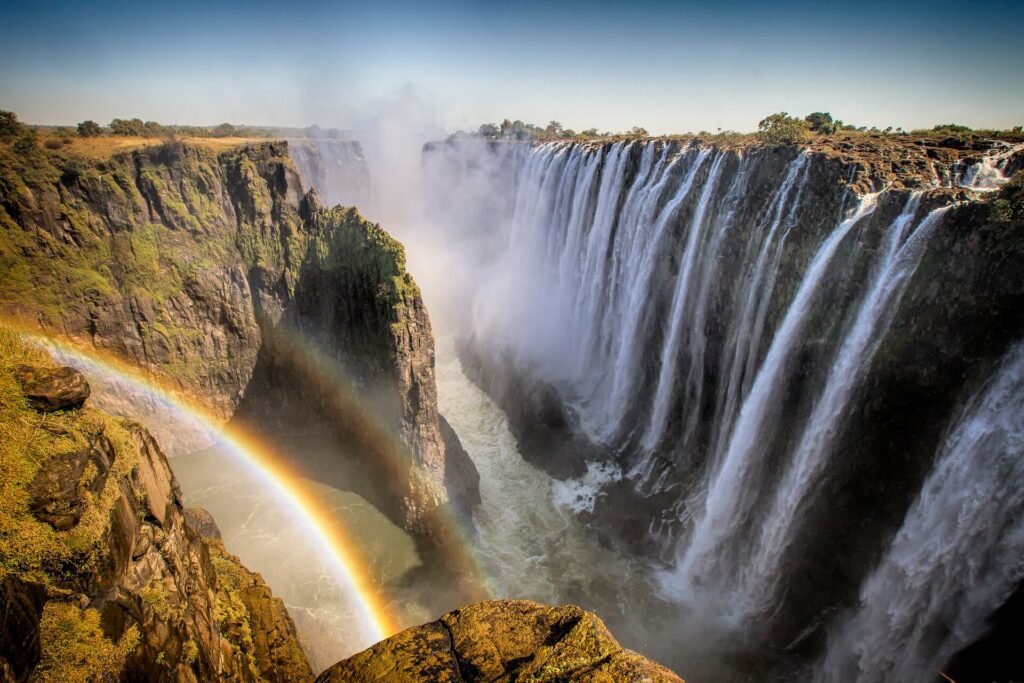
In January, the rainy season is building and the Zambezi swelling, pushing huge volumes of water over the brink. Expect thick mist, powerful spray and a rainforest that’s lush and vividly green – an excellent time if you want dramatic, full–flow photography. Visibility on the lower viewpoints can be limited by spray, so waterproof gear is a must. If you’re asking “what’s the best month to visit Victoria Falls” for sheer power and atmosphere, January is a contender.
February
February often produces some of the most dramatic displays: mist rises into the clouds, and the rainforest sits under a constant veil of vapour. The Falls are at or near peak volume, making viewpoints feel almost engulfed in water. This is one of the best months for witnessing raw power, but less ideal for clear panorama shots. For those wanting the full “Smoke that Thunders” experience, February ranks high for the best time to visit Victoria Falls.
March
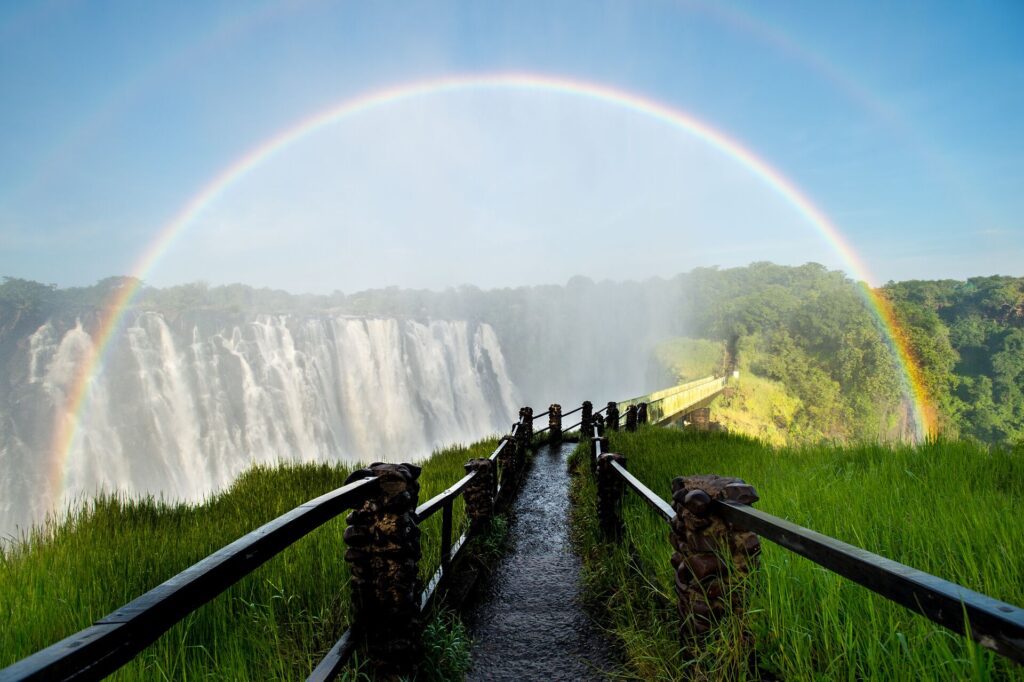
March marks the tail end of the heavy rains; river levels stay high, and the Falls continue to pour with force. Rainfall tapers but the Zambezi still pushes copious water over the lip, producing thunderous sound and thick spray. This month offers a balance between dramatic flow and slightly improving visibility, so it’s a solid choice for adventurous travellers asking how to visit Victoria Falls at high water.
April
April is typically the month of peak flow, with immense volumes of water cascading into the gorge – often cited when people ask “what is the best time to visit Victoria Falls for full power?”. Upstream catchments continue to feed the river, so viewpoints are spectacularly wet, and the rainforest is at its most vibrant. Photography is dramatic though often spray–filled; guided viewpoint walks are deeply atmospheric.
May
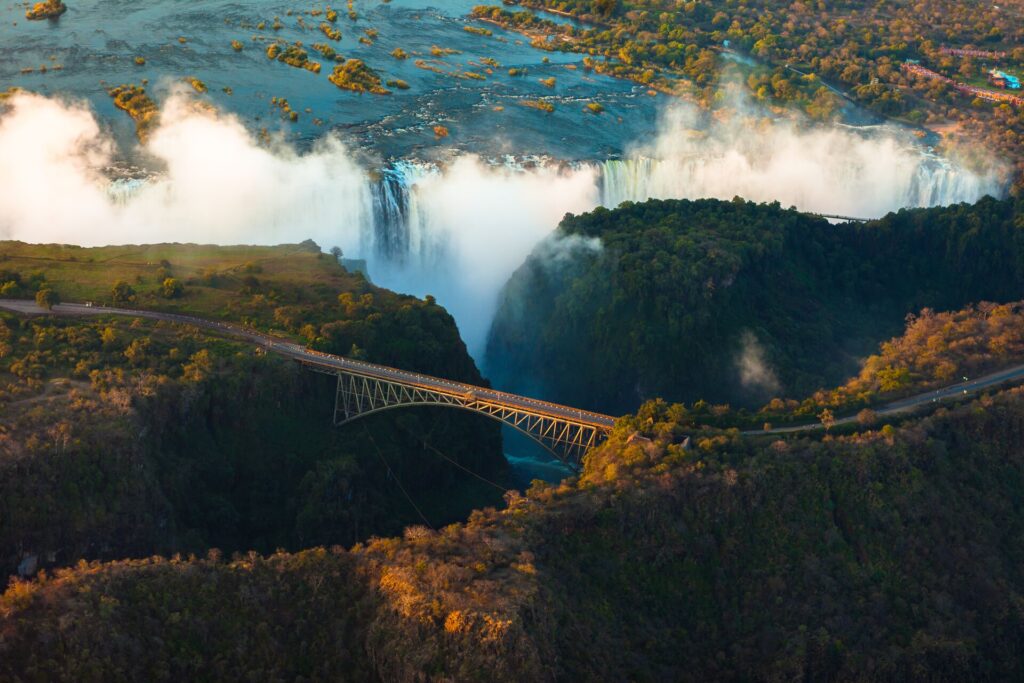
May signals the start of the dry season and clearer viewing conditions, while the Falls still retain considerable force. This transitional period is commonly recommended as the best month to visit Victoria Falls for photographers: mist eases, trails are drier, and the scenery takes on warm autumn tones. It’s also an excellent time for combining Victoria Falls with safaris and downstream river activities.
June
June brings crisp, dry winter days and steadily falling water levels – ideal for walking the main viewpoints and spotting wildlife along the banks. Cooler temperatures make activities like helicopter flights and walking tours pleasant. If you prefer clearer skies and easier access to trails, June is among the better months to visit.
July
July is a peak safari month as wildlife concentrates around the Zambezi, while the Falls continue to impress despite lower upstream rainfall. The bush is dry and visibility superb for both game viewing and Falls panoramas. For travellers combining a trip to Victoria Falls with Chobe or other parks, July offers strong value and reliable conditions.
August
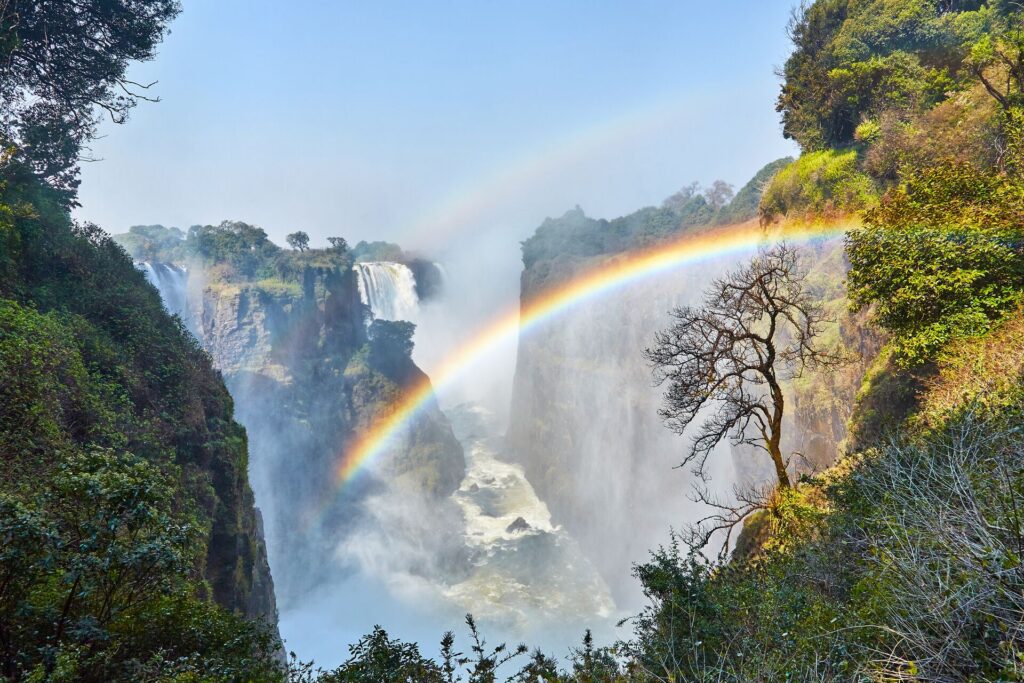
August delivers clear skies, warming days and reduced mist – perfect for photography and rainforest walks when the spray has mostly subsided. The Eastern Cataract on the Zambian side may be much reduced, but the main cataract still makes for dramatic views. This month is frequently recommended when people research the best time to visit Victoria Falls Zambia for clear vistas.
September
September is hot and dry, with low water levels exposing more rock and broadening vantage points. These conditions make for excellent white–water rafting and gorge activities as rapids are at their most navigable. If you want adventure sports and clear, long–distance views, September ranks highly for the best time to visit Victoria Falls.

October
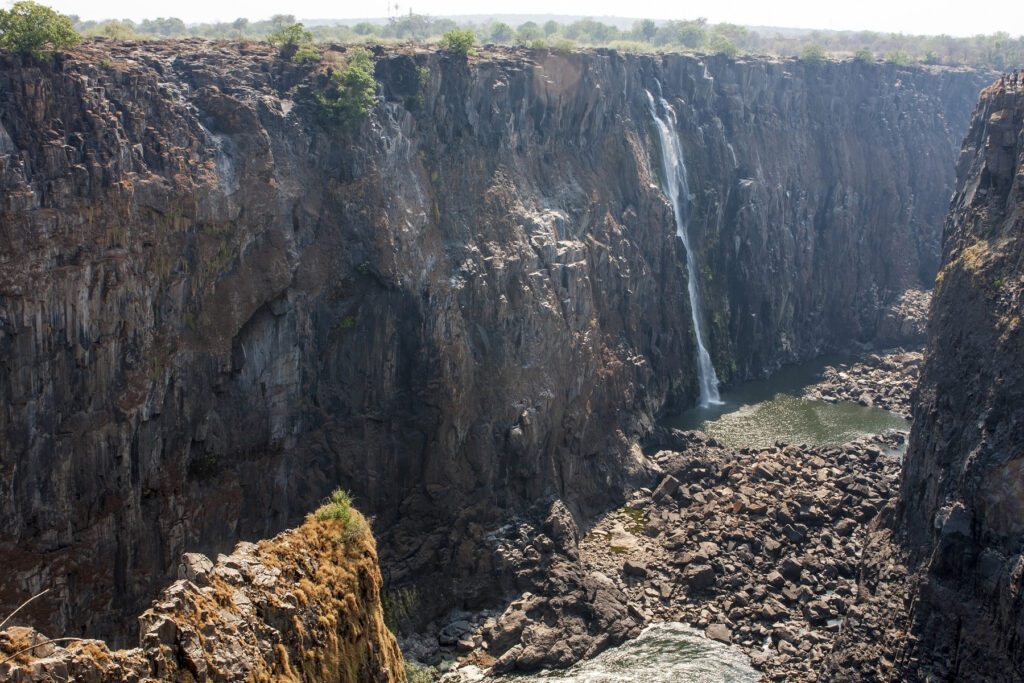
October is typically the hottest month and the build–up to the rains; expect high daytime temperatures and the occasional dramatic thunderstorm. The Zambian side can appear very dry, but the Zimbabwean viewpoints still offer classic, impressive vistas. October suits travellers who don’t mind heat and want fewer crowds.
November
As temperatures remain high, the first rains often return and river levels hit their annual low before the wet season starts. November is a shoulder month – good for budget travellers or those seeking quieter viewpoints – though spray begins to rise again towards the end of the month. It’s a transitional time that can deliver diverse experiences in a single trip.
December
December sees the rainy season ramping up: cloud build–up and sudden storms return, and the river starts climbing. By month–end the Eastern Cataract will often be veiled again in spray and the rainforest lush and noisy with life. For travellers wondering when the falls regain their summer intensity, December marks the exciting reawakening of the Zambezi.
Where to stay to experience Victoria Falls
For the most authentic Victoria Falls experience, base yourself at lodges and hotels that offer river-front access, guided walks and easy transfers to the Park. On the Zimbabwe side, classic hotels provide sweeping views of the gorge and easy access to local markets; on the Zambia side, intimate camps and river lodges bring you closer to the rainforest trails. Adventure World Travel offers options like Old Drift Lodge on the Zambezi banks (~7km from the Falls), which combines luxury with wildlife viewing – ideal whether you’re visiting in the high-water months or the dry season. When choosing Victoria Falls accommodation, pick based on which side (Zimbabwe or Zambia) you want to prioritise for viewpoints and activities.
Experiencing Victoria Falls With Us
Seasons shape the Falls more than almost any other factor: high water (Jan–Apr) delivers raw, thunderous power and immersive spray; the dry months (May–Oct) clear views and open up safari and adventure activities; shoulder months (Nov, Dec) provide varied conditions and quieter travel. There’s no single “best” month that fits every traveller – the best time to visit Victoria Falls depends on whether you prioritise drama, photography, adventure, or wildlife. Ready to plan? Visit Victoria Falls